Why People Convert to Islam in Modern Times: Truth, Purpose, and Islam Conversion Stories
People today ask “why convert to islam” for a simple reason: modern life is full of noise, uncertainty, and competing claims. When individuals feel spiritually unmoored—whether due to dissatisfaction with previous belief systems, longing for deeper meaning, or a desire for practical moral direction—they often look for something they can actually live.
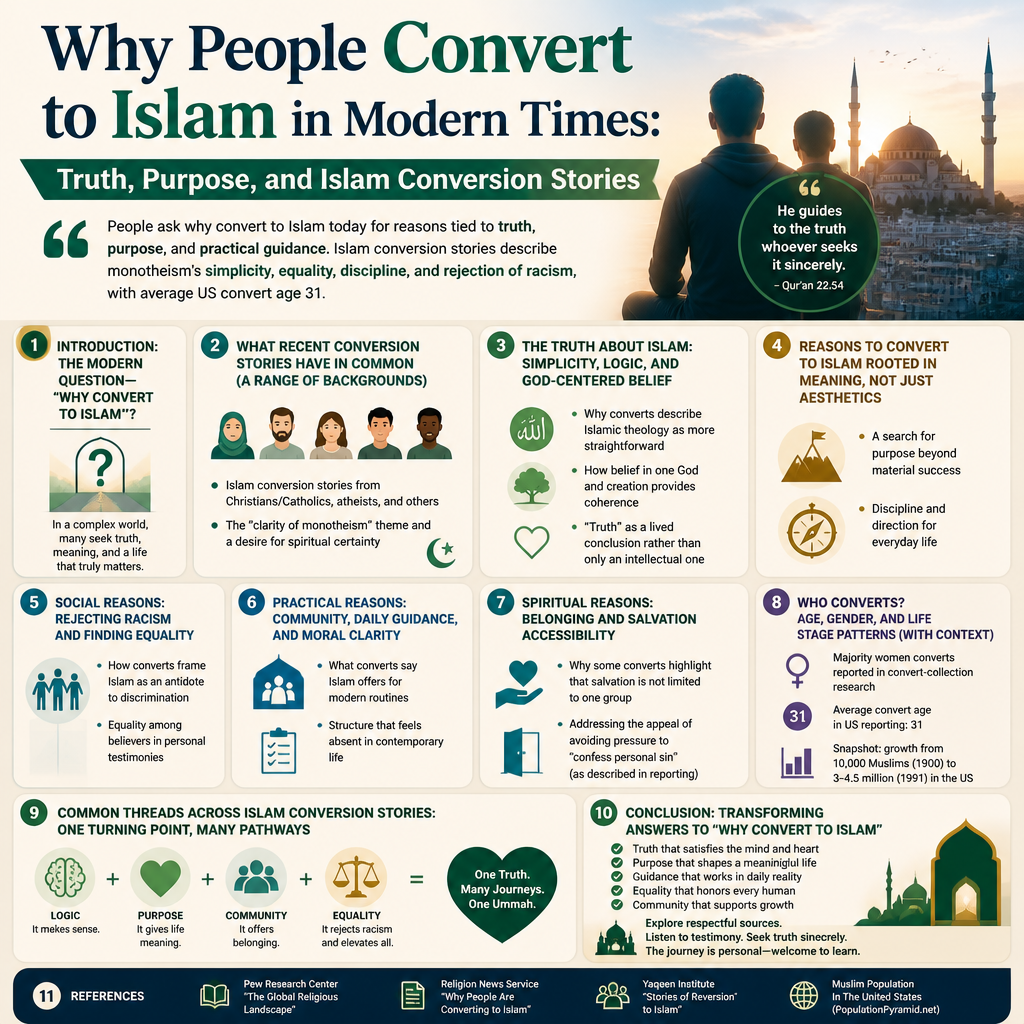
In this article, we’ll explore the truth about islam as reflected in common testimonies, the main reasons to convert to islam that show up across different backgrounds, and what modern Islam conversion stories frequently have in common. The goal isn’t to pressure anyone. It’s to understand the real motivations behind a life-changing decision.
1. Introduction: the modern question—“why convert to islam”?
Conversion rarely happens in a single moment. But the question usually starts the same way: “Is there something true that can guide me—intellectually, morally, and spiritually?”
In modern times, people often evaluate religion the way they evaluate ideas in other areas: with questions, comparisons, and a demand for coherence. Many converts say that Islam stood out because it offers a straightforward foundation: belief in one God, a clear understanding of purpose, and a way to connect faith with daily life.
2. What recent conversion stories have in common (a range of backgrounds)
One of the most striking features of Islam conversion stories is diversity. Converts report transitions from many backgrounds—sometimes from Christianity (including Catholic settings), sometimes from atheism, and sometimes from other faith traditions.
Islam conversion stories from Christians/Catholics, atheists, and others
Across conversion compilations, a recurring theme is that many people didn’t convert because of a “trend.” They converted after wrestling with big questions such as:
- Who is God, really?
- How should a person live with meaning and accountability?
- Is faith supposed to be only emotional—or also logically grounded?
- What does “truth” mean in lived experience?
Some converts describe a dissatisfaction with what they saw as complicated or inconsistent doctrines, while others emphasize that Islam’s message felt direct and complete. Some atheists report appreciation for Islam’s rational clarity about God and creation; some people from religious backgrounds describe moving toward a belief they found easier to understand and practice.
The “clarity of monotheism” theme
Many testimonies return to monotheism—one God—as a source of spiritual certainty. Converts often say that when the central concept of God becomes clearer, the rest of religious life becomes easier to place: purpose, worship, ethics, and accountability begin to align.
3. The truth about islam: simplicity, logic, and God-centered belief
When people search for the truth about islam, they usually mean more than “Is it historically interesting?” They often mean: “Does it make sense of reality, God, and morality?”
Why converts describe Islamic theology as more straightforward
In numerous convert to islam stories, converts mention that Islamic teachings feel coherent—not necessarily because life becomes effortless, but because belief becomes less fragmented. Islam’s concept of God and the purpose of creation can feel like an organizing framework: it gives answers that connect rather than contradict.
How belief in one God and creation provides coherence
Many converts say one God shapes how they understand:
- Meaning: human life is not random or purposeless.
- Accountability: actions matter because God sees and judges.
- Worship: devotion isn’t merely tradition—it becomes a direct relationship.
- Ethics: morality is grounded in divine guidance.
“Truth” as a lived conclusion
For many people, “truth” doesn’t remain an idea. It becomes something tested through reflection and practice. Converts describe a process where study leads to clarity, and clarity leads to inner peace, discipline, and a stronger sense of direction.
4. Reasons to convert to islam rooted in meaning, not just aesthetics
Sometimes faith is compared to beauty: people “like it,” it “feels good,” or it “looks right.” But conversion stories often emphasize something deeper: Islam offers meaning that people can structure their lives around.
A search for purpose beyond material success
Modern society can reward achievements—career, wealth, image—yet still leave people feeling empty. Many converts say Islam answered the question of why we exist and what humans are meant to do with their time, choices, and character.
Discipline and direction for everyday life
In Western reporting about conversion trends, discipline and direction show up as major motivators. People describe Islam as providing a practical path: daily worship, moral guidelines, and an identity that shapes decisions.
This is one reason “why convert to islam” remains such a common search query: people aren’t only seeking spiritual comfort—they want a framework that holds up during real weeks, real temptations, and real stress.
5. Social reasons: rejecting racism and finding equality
Another theme in some conversion discussions is the experience (or rejection) of discrimination. In some stories and analyses, people—particularly in Western contexts—frame conversion as a response to racism they perceived in the religious culture around them.
How converts frame Islam as an antidote to discrimination
Some converts describe Islam as emphasizing human equality before God. In testimonies, this can feel like more than a slogan—it becomes a lived interaction: people are judged by faith and character rather than race, status, or background.
Equality among believers in personal testimonies
Across collections of islam conversion stories, converts often talk about belonging: the sense that faith is open, dignity is respected, and worship is not limited to one “type” of person. For many, this social reality supports the spiritual logic they were already investigating.
6. Practical reasons: community, daily guidance, and moral clarity
Modern converts often ask: “Can I actually live this?” That’s where practical aspects matter.
What converts say Islam offers for modern routines
Many testimonies mention that Islam provides daily structure—through worship, remembrance, and ethical teachings. This structure can create spiritual rhythm in a world where distraction is constant.
Structure that feels absent in contemporary life
Some people describe feeling overwhelmed by modern complexity: shifting values, unstable relationships, and a moral “anything goes” atmosphere. Islam conversion stories frequently portray Islam as offering clarity instead of confusion—guidance that helps people make choices with confidence.
7. Spiritual reasons: belonging and salvation accessibility
Beyond social comfort and daily structure, some converts focus on a deeper spiritual message: God’s mercy and salvation accessibility.
Why some converts highlight that salvation is not limited to one group
In various testimonies and discussions about reasons to convert to islam, people mention relief in learning that salvation is not presented as exclusive to one ethnicity, social status, or “insider” group. This idea can feel like spiritual invitation rather than spiritual gatekeeping.
Addressing the appeal of avoiding pressure to “confess personal sin”
Some Western reporting and conversion discussions note that certain converts were drawn to Islam partly because its approach to repentance and accountability is perceived as less dependent on confessing personal sin to a human intermediary. For those who value direct responsibility to God, this can be a compelling factor.
Note: People’s reasons are personal. Conversion testimonies don’t all match, and not everyone emphasizes the same spiritual details. But the pattern shows that converts often seek a spiritual relationship that feels clear and direct.
8. Who converts? Age, gender, and life stage patterns
Conversion is not limited to one demographic, but research summaries and collected stories sometimes show patterns.
Majority women converts reported in convert-collection research
In one compilation of convert to islam stories, the collection reports that the majority of conversions are women. This doesn’t mean men never convert—rather, it suggests that storytelling datasets may reflect who participates publicly and how experiences are shared.
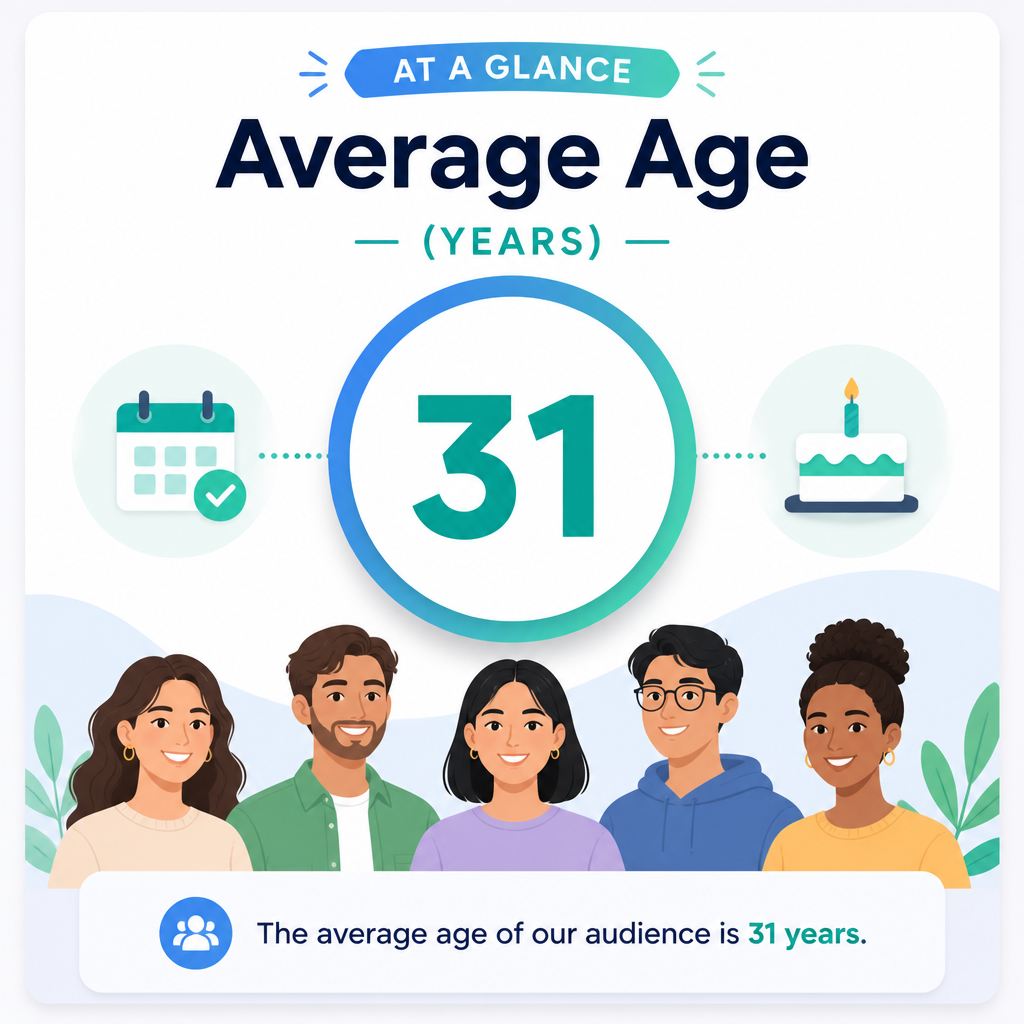
Average convert age in US reporting: 31
One analysis of Western conversion trends reports an average age around 31. This aligns with what many people experience: major belief transitions often happen when someone has more life context, time for reflection, and emotional distance from youth-driven certainty.
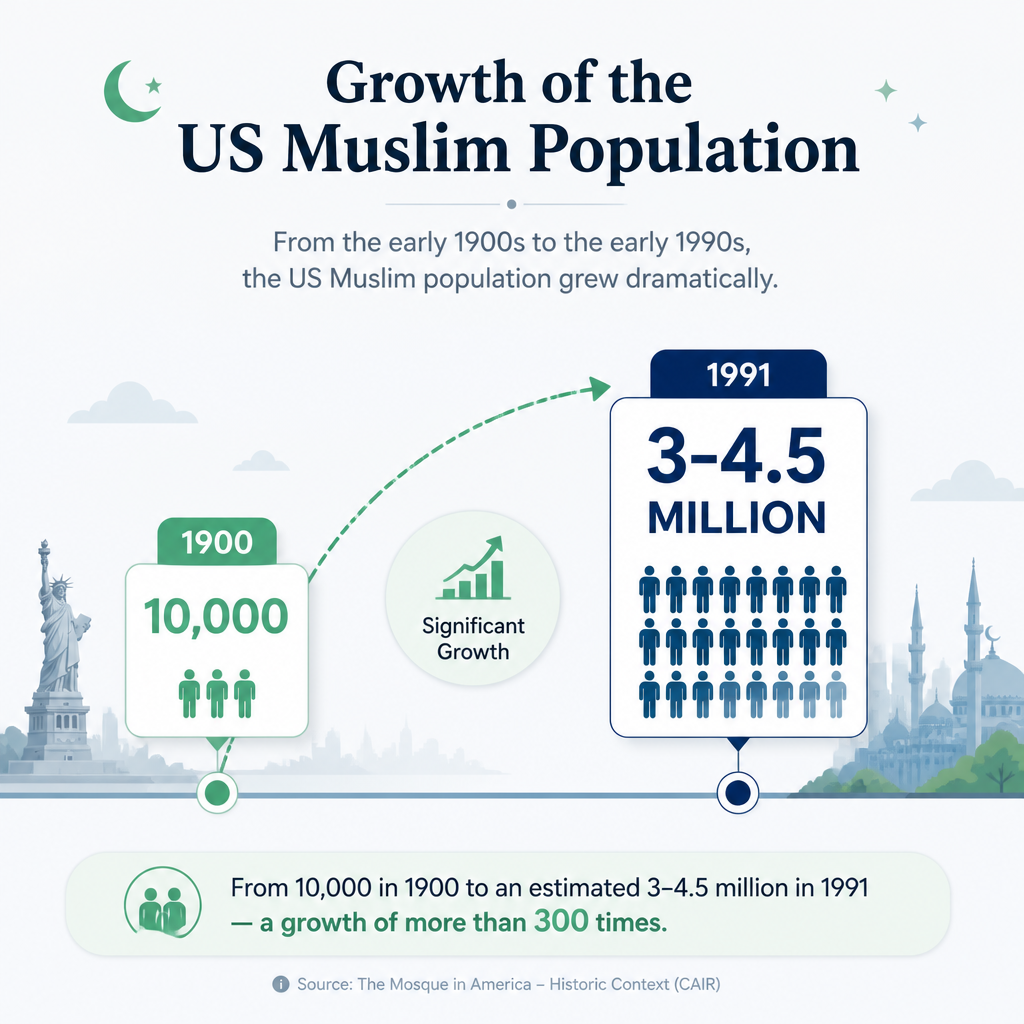
Snapshot: growth from 10,000 Muslims (1900) to 3–4.5 million (1991) in the US
Another data point often cited in conversion-trend discussions reports that the US Muslim population grew from about 10,000 in 1900 to an estimated 3–4.5 million by 1991. This growth is influenced by multiple factors, including migration and births, but it also reflects a wider presence of Islam—and more opportunities for people to learn, ask questions, and compare beliefs.
9. Common threads across Islam conversion stories: one turning point, many pathways
When you read multiple Islam conversion stories, the details differ—yet the underlying themes rhyme.
Many converts report a turning point where at least two or three of these become decisive:
- Logic plus coherence: Islam’s monotheism and belief structure feel consistent.
- Purpose: life makes sense again—spiritually and morally.
- Community: people feel respected, welcomed, and supported.
- Equality: faith is not tied to race or social hierarchy.
- Discipline: daily worship and guidance create stability.
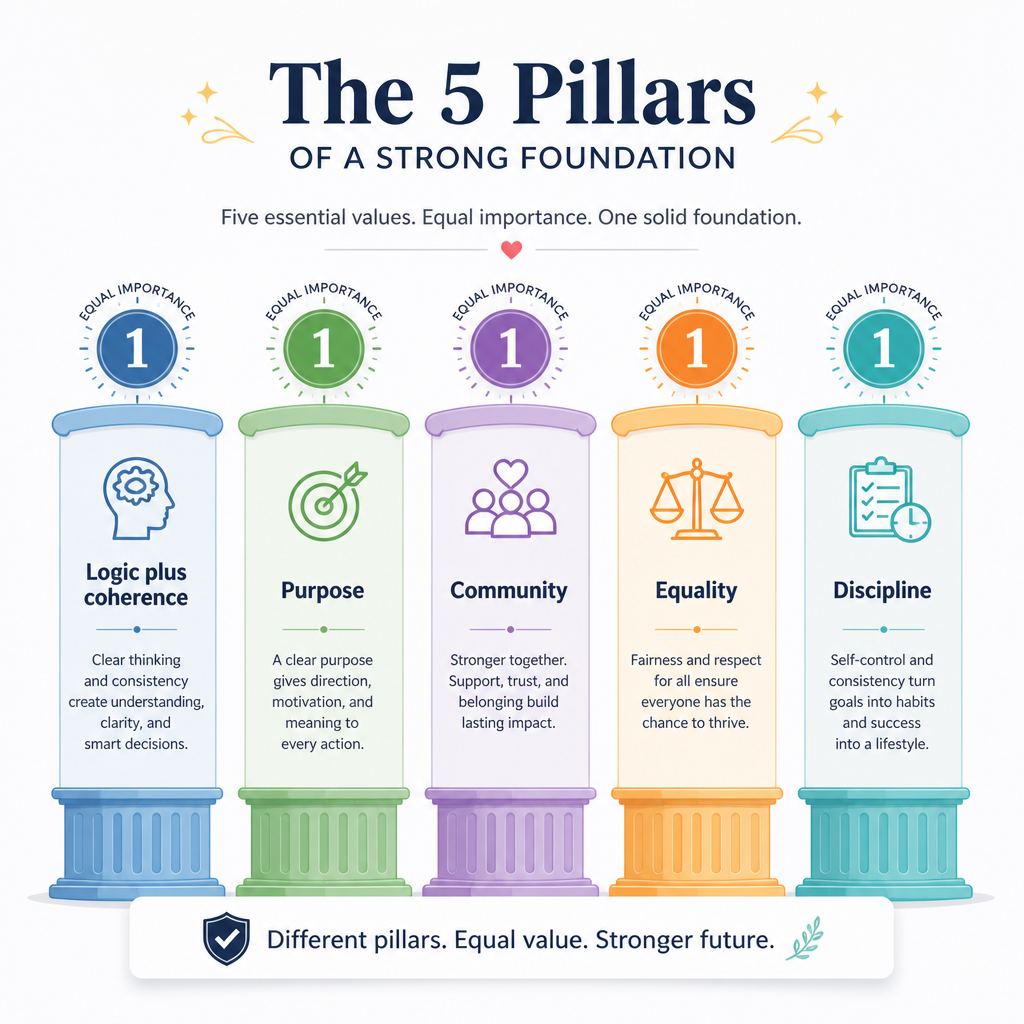
In other words, “why convert to islam” is often answered by a combination of intellectual clarity and practical transformation—something people describe as changing how they think, how they live, and how they relate to God.
10. Conclusion: transforming answers to “why convert to islam”
If you’re wondering why convert to islam, it helps to look beyond stereotypes and marketing. The most compelling insights often come from lived experiences—Islam conversion stories—where people explain why Islam felt true, meaningful, and workable.
Across many testimonies and analyses, the strongest reasons to convert to islam tend to cluster around:
- Truth: Islamic monotheism and belief feel clear and coherent.
- Purpose: faith answers why life exists and how to live well.
- Discipline: daily guidance creates stability and direction.
- Equality: people find dignity regardless of background.
- Community: support and belonging help faith take root.
Ultimately, conversion is personal. If you want to explore respectfully, start with credible sources, read conversion narratives, and—where possible—ask questions and speak with Muslims in your community.
References (top research sources used):