Why Humans Naturally Search for Meaning: Purpose Psychology, Spirituality & the Science of “Search for Meaning”
“search for meaning” isn’t a quirky habit of philosophers or religious people. It’s a built-in human drive—one that surfaces when life feels confusing, when choices need direction, when relationships deepen, or when suffering strips away distractions. Whether someone calls it spirituality, purpose psychology, or simply “making sense of life,” the impulse is recognizably human.
1) Opening: Meaning as a built-in human need
Modern life can look like a competition for status: more productivity, more entertainment, more achievement. Yet many people—whether they’re religious, spiritual, or skeptical—still find themselves asking questions that don’t fit on a resume:
- Why am I here?
- What should I value most?
- What does my life mean to other people?
- How do I live well when pain exists?
Psychology research suggests that meaning is not an optional luxury. It’s something people are wired to seek and organize—because humans need their lives to be understandable, worthwhile, and connected to something larger than their immediate impulses.
2) What “search for meaning” looks like in everyday life
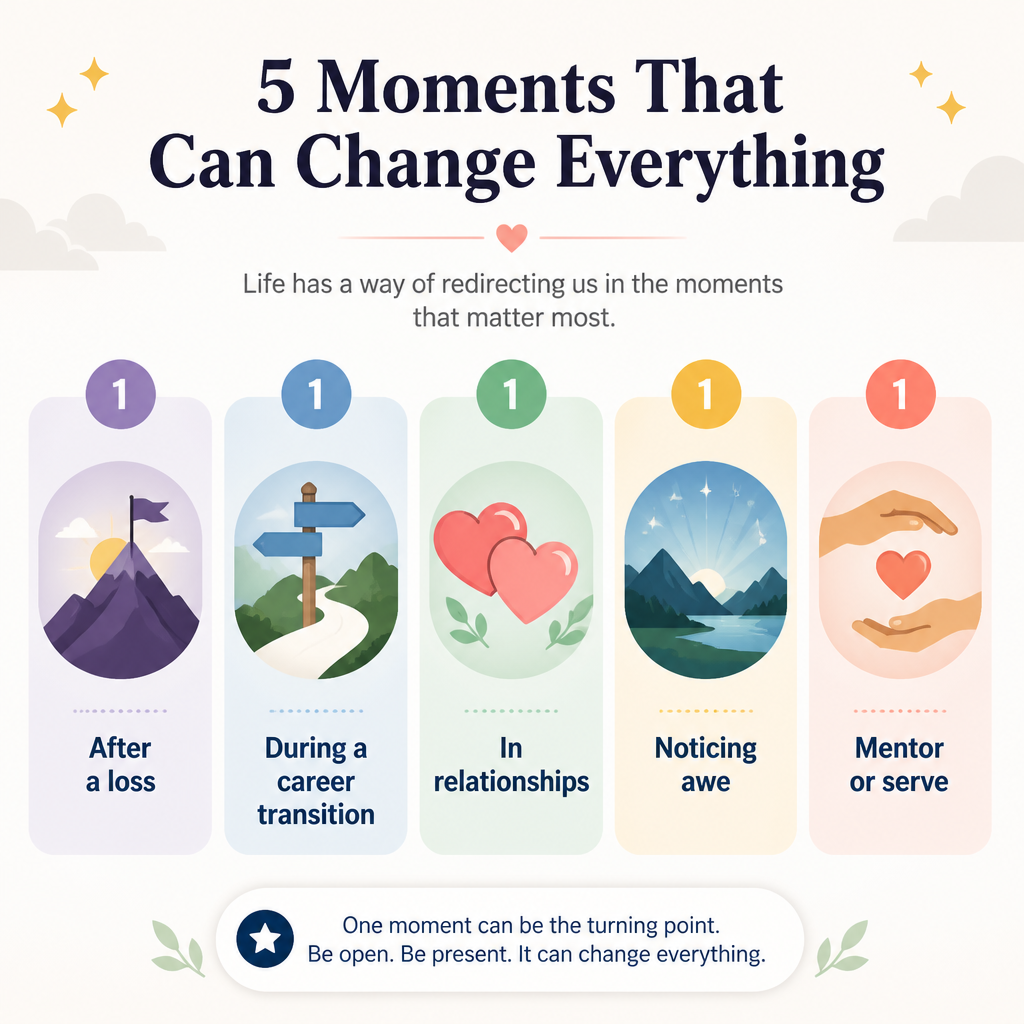
The search for meaning rarely begins with a grand manifesto. It usually shows up in everyday moments:
- After a loss, when old routines no longer explain life.
- During a career transition, when a paycheck isn’t enough to justify effort.
- In relationships, when love becomes more than chemistry—something that calls for sacrifice, patience, and growth.
- When you notice awe (nature, music, art, the night sky) and feel your life widen.
- When you mentor or serve, and discover that “doing good” changes your inner world.
In other words: the search for meaning is not only “thinking.” It’s an ongoing attempt to align life with understanding, purpose, and significance.
3) The psychology of meaning: coherence, purpose, significance
One of the most useful ways to understand meaning in life is through three interrelated components:
Coherence: “My life makes sense.”
Coherence is the sense that your experiences fit together into a story rather than random fragments. When coherence collapses (through trauma, betrayal, or grief), people often feel mentally “unmoored”—and the search for meaning accelerates.
Purpose: “I’m moving toward something I value.”
Purpose is direction. It’s not only a career goal; it’s the internal reason behind your actions. Purpose psychology emphasizes that what sustains effort is often the why, not just the what.
Significance: “My life matters (to me and others).”
Significance is the experience of mattering—through relationships, creative work, service, or even simply the way you choose to respond to life. Meaning deepens when you sense your existence is not isolated.
These facets don’t always appear in equal measure. But when they’re present—coherence, purpose, and significance—people typically report their lives as more meaningful.
4) Evidence that meaning is common (and helpful): why meaning persists
There’s a common myth that modern people have “lost meaning,” replaced by numbness and consumption. Psychology’s findings are more nuanced. Many people report that their lives are meaningful most of the time.
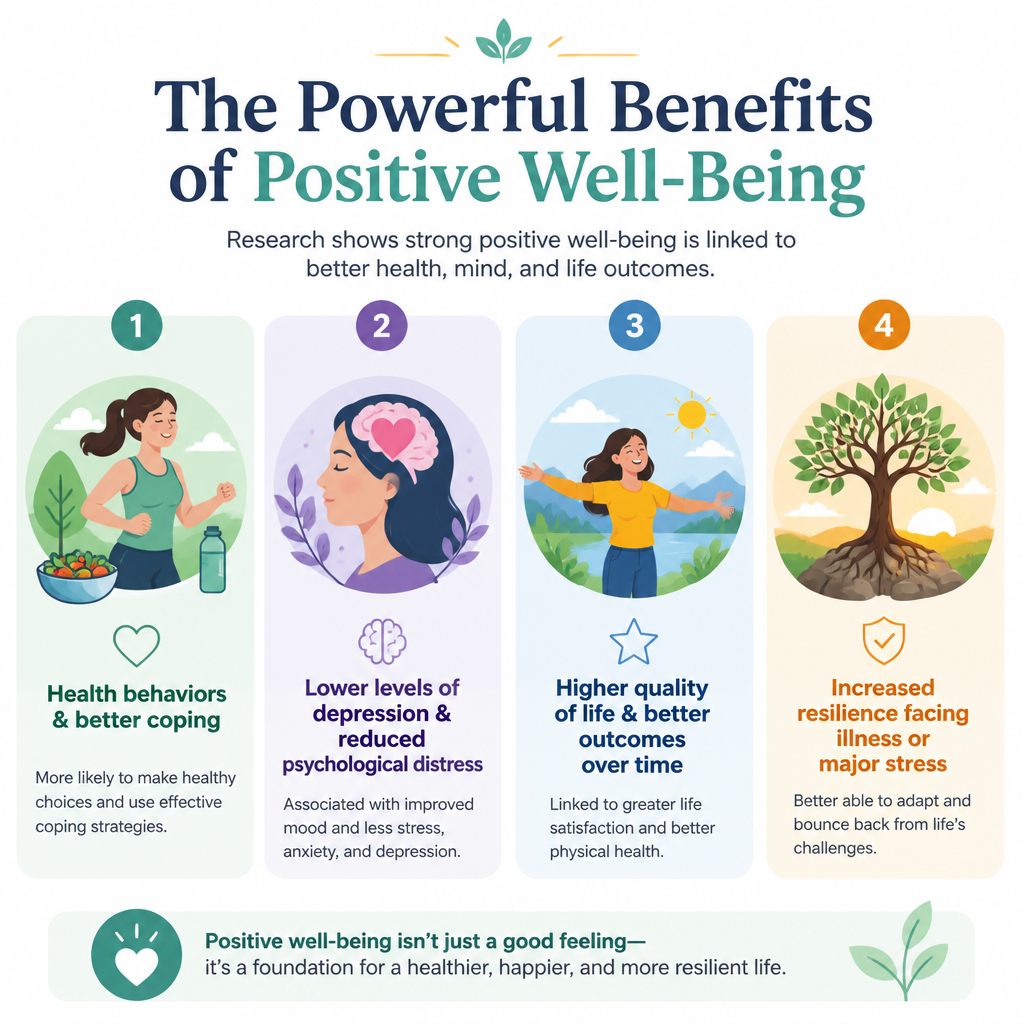
Meaning also appears to correlate with well-being. Research has linked meaning with:
- Health behaviors and better coping
- Lower levels of depression and reduced psychological distress
- Higher quality of life and—over time—better outcomes
- Increased resilience when facing illness or major stress
In therapeutic settings, meaning-centered approaches draw from existential and humanistic traditions—especially the work associated with Viktor Frankl—showing that people can learn to live with suffering without losing direction or worth.
So why does the search for meaning persist? Because meaning:
- helps life become intelligible
- turns effort into direction
- connects the self to something that matters
5) Why suffering intensifies the search for meaning
It’s easier to keep searching when everything is fine. It’s harder—and more urgent—when life hurts.
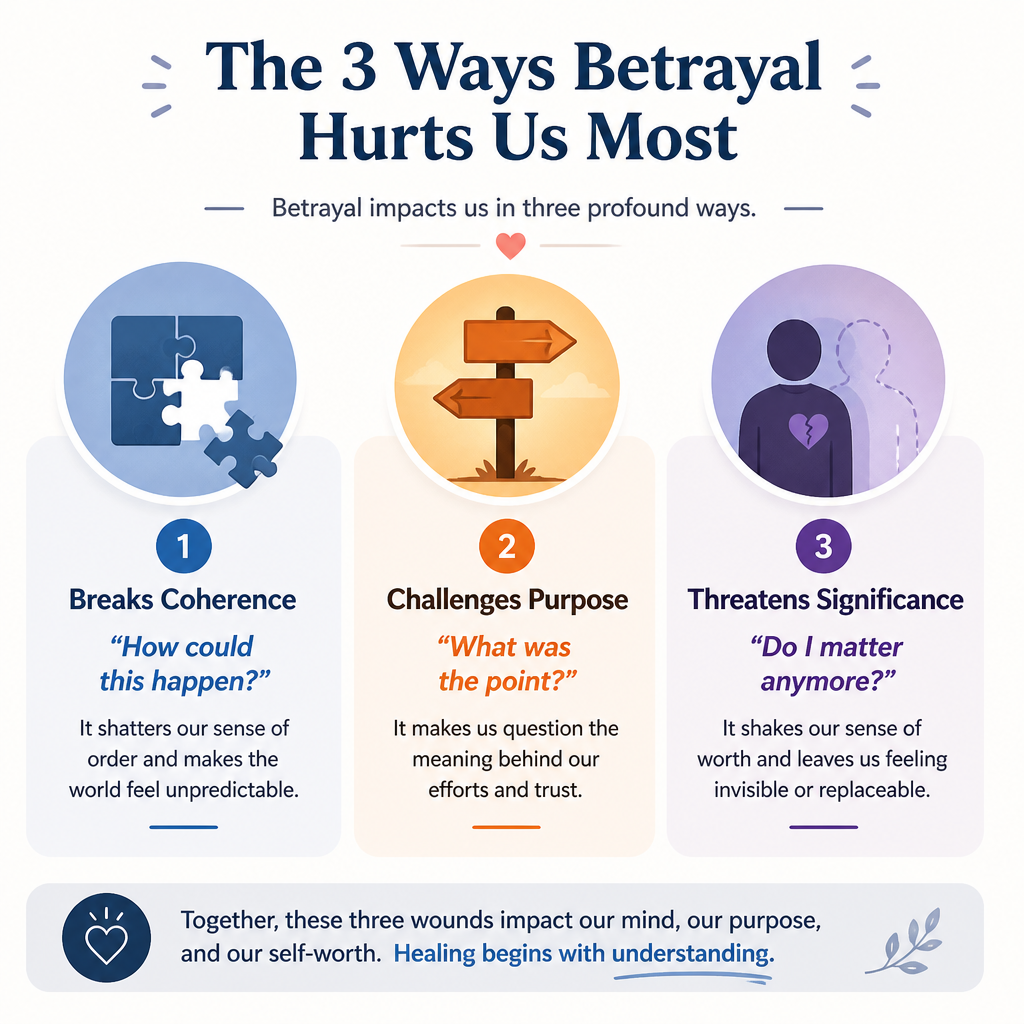
Suffering can:
- break coherence (“How could this happen?”)
- challenge purpose (“What was the point?”)
- threaten significance (“Do I matter anymore?”)
That’s why grief, chronic illness, or personal betrayal often triggers existential questions. People don’t only want relief from pain; they want an answer to the meaning-destroying question behind the pain: Why is this happening, and what now?
Importantly, psychology doesn’t require that suffering always has a neat explanation. Meaning can emerge through attitude, connection, responsibility, and legacy—how a person chooses to move forward.
6) How relationships and work become meaning-machines
If you want to understand the search for meaning, look at two arenas where meaning is often built naturally: relationships and work.
Relationships: the significance engine
Humans are not designed to be solitary. Love, friendship, mentorship, parenting, and community all provide a feeling of being known and needed. Even when relationships are messy, the pursuit of repair, loyalty, and growth can deepen coherence and significance.
Work: purpose in action
Work becomes meaningful when it connects to values: helping others, creating beauty, solving problems, contributing to a mission, or building something that outlasts you. Purpose psychology suggests that clarifying why you do what you do can transform the experience of effort.
In healthy meaning-making, work isn’t merely self-expression or survival. It becomes service, craft, or contribution—which helps people feel direction.
7) Spirituality and human nature: transcendence for believers and non-believers
Many people assume spirituality is only for believers. But the search for meaning often includes experiences that feel transcendent whether or not someone believes in a personal God:
- Awe (nature, cosmos, music)
- Interconnectedness (feeling part of something larger)
- Transformation (a shift in how you see yourself and others)
- Moral gravity (a sense of higher standards and accountability)
Spirituality, in this broader sense, can be a response to the human condition: we want to understand existence, relate to something beyond ourselves, and live in a way that feels true.
For believers, transcendence is often personal—God, the sacred, prayer, and divine guidance. For non-believers, transcendence may still exist as wonder, meaning without certainty, and the pursuit of values that elevate life.
8) Organized religion vs. lived spirituality: why people still pursue the question
It’s also true that some people pull away from organized religion due to hypocrisy, conflict, or institutions that fail the very meaning they claim to offer. That can be part of the story.
But the deeper question remains the same: What makes life worth living?
When institutions fail, the search often moves toward more personal spirituality—community, ritual, ethics, contemplation, prayer, meditation, or practices that help people feel coherent, purposeful, and significant.
In other words, the search for meaning is more fundamental than the structures that sometimes try to contain it.
9) Making meaning without forcing it: practical ways to cultivate “search for meaning”
Trying too hard to manufacture meaning can backfire. Many people feel pressure to “find your purpose” quickly, as though purpose were a product you can download. A healthier approach is to let meaning surface and grow from lived experience.
1. Notice coherence in ordinary life
Ask: What patterns make sense to me? Small routines, recurring values, and the way you make decisions can be signs that coherence is already forming.
2. Clarify purpose through values
Instead of “What job should I choose?” try: What kind of person do I want to become? Values-based purpose psychology is often more stable than changing external circumstances.
3. Feed significance through relationships and service
Meaning grows when you:
- invest time in people who matter
- contribute to a cause larger than your ego
- express gratitude and repair what you can
4. Use narratives: tell the story of your life
Your brain organizes experience into story. Try writing (or journaling) your “life chapter” as a coherent arc: what you learned, how you changed, what you still want to build.
5. Let spirituality help you endure
If you’re religious, prayer and sacraments (or their equivalents) can support endurance and hope. If you’re not, practices like mindfulness, awe, moral reflection, and community can still provide a spiritual dimension—something that steadies you when meaning feels distant.
10) Common pitfalls: romanticizing meaning or demanding certainty
Two traps are especially common:
Pitfall A: Romanticizing meaning
Meaning is sometimes portrayed as a dramatic “aha moment.” But often it looks like faithfulness: repeated choices, small acts of courage, steady love. Meaning can be quiet and still deeply real.
Pitfall B: Demanding certainty
Many people want one final answer to end the search forever. Yet meaning doesn’t always arrive as certainty. It may arrive as alignment: you act on what you value, then evaluate and adjust.
A mature search for meaning acknowledges that life is complex, and it still chooses to live wisely.
11) Reframing purpose: values, legacy, and direction
Sometimes purpose psychology gets misunderstood as “find the one perfect mission.” But people often build purpose through:
- Legacy: What do you want to leave behind in people’s lives?
- Direction: Which values guide your day-to-day decisions?
- Legacy projects: creative work, teaching, mentorship, community building, or long-term commitments
This reframing matters because it reduces pressure. You don’t need to know everything; you need to take the next meaningful step.
12) Conclusion: the search as a pathway to flourishing
Humans naturally search for meaning because we need more than pleasure and productivity—we need coherence, purpose, and significance. Psychology suggests meaning is common and beneficial, especially in times of crisis. Spirituality, whether theistic or non-theistic, often strengthens the capacity to endure suffering and connect to something beyond the self.
So if you feel the pull toward bigger questions—don’t panic. The search for meaning may be your mind’s way of protecting what matters most: becoming the kind of person who can live well, love deeply, and face reality with hope.