1. Introduction: Why the term “foreign Muslim meaning” is contested
The phrase “foreign muslim meaning” sounds simple at first glance: it refers to a Muslim person living outside their home country. But in real life, the meaning of “foreign” is not fixed—it can reflect citizenship, race, accent, cultural distance, or how other people perceive you in public. Meanwhile, “Muslim” can be treated either as a genuine religious identity or as a cultural label. Those two issues—context and identity—are exactly why the term is often contested.
In this article, we’ll clarify the concept responsibly by:
- Defining what “Muslim” means in Islamic terms (not just socially).
- Explaining what “foreign” can mean in practice (not only on paper).
- Showing how muslim identity functions as a lived reality—especially for students adapting abroad.
- Connecting identity with experiences like anxiety, uncertainty, stereotypes, and communication norms.
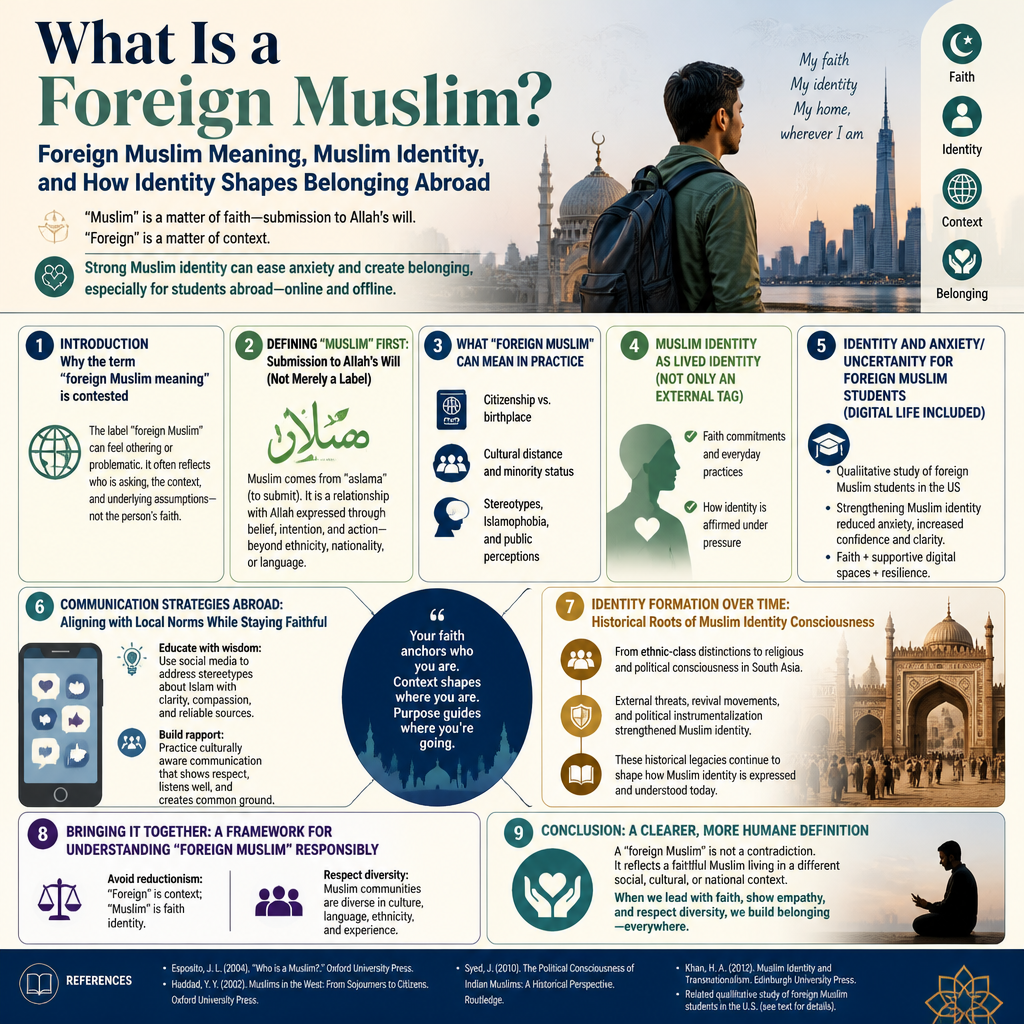
2. Defining “Muslim” first: submission to Allah’s will (not merely a label)
Before we can understand foreign muslim meaning, we need a clear starting point: what does “Muslim” mean?
In Islamic usage, the word Muslim is connected to the meaning of submission—specifically, submission to Allah’s will as expressed through Islam and its guidance (often summarized in terms of Shariah). In other words, “Muslim” is not only a background or ethnicity; it is a way of relating to God.
This matters because many public conversations treat “Muslim” as a tag people wear (culture, nationality, or appearance). But in a faith-based understanding, Muslim identity is about believing and living in submission to Allah.
3. What “foreign Muslim” can mean in practice
When people say “foreign Muslim,” they may mean different things. Let’s separate the most common practical interpretations.
3.1 Citizenship vs. birthplace
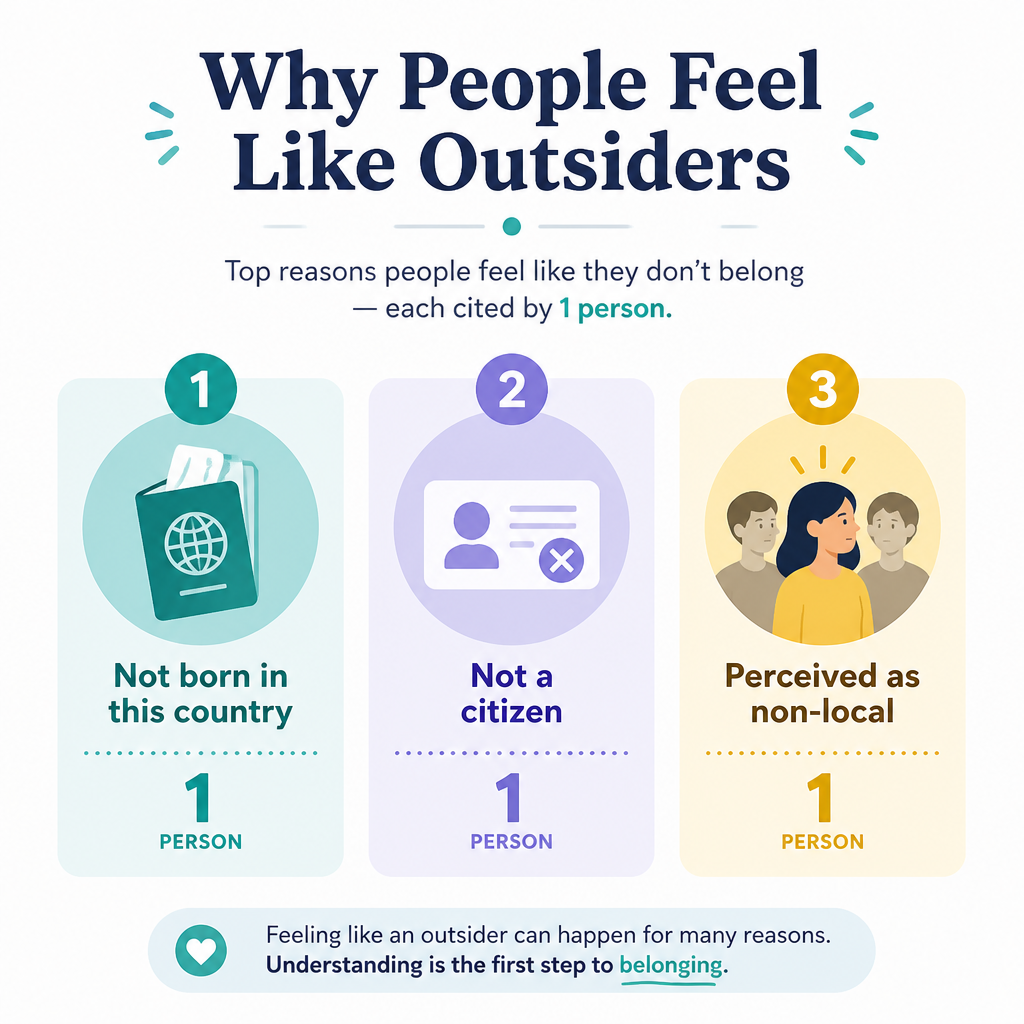
Some people use “foreign” to mean “not born in this country.” Others mean “not a citizen.” Still others mean “perceived as non-local.” These distinctions shape how a person is treated—regardless of what the person calls themselves.
3.2 Cultural distance and minority status
A person can be a citizen but still feel “foreign” because of language barriers, different customs, or being a visible minority. Conversely, someone can be born abroad and feel deeply “at home” culturally if their community and everyday life provide familiarity.
3.3 Stereotypes, Islamophobia, and public perceptions
In many societies, “foreign Muslim” can become a category that others attach to a person—often tied to stereotypes. That means “foreign muslim meaning” can become less about geography and more about how society reads identity markers such as names, clothing, or accent.
Importantly, these perceptions can affect emotional wellbeing, social participation, and even how comfortably someone practices their faith.
4. Muslim identity as lived identity (not only an external tag)
To understand “foreign Muslim meaning,” we also need to understand muslim identity as something lived—not only something observed. Identity includes beliefs, values, practices, and relationships.
4.1 Faith commitments and everyday practices
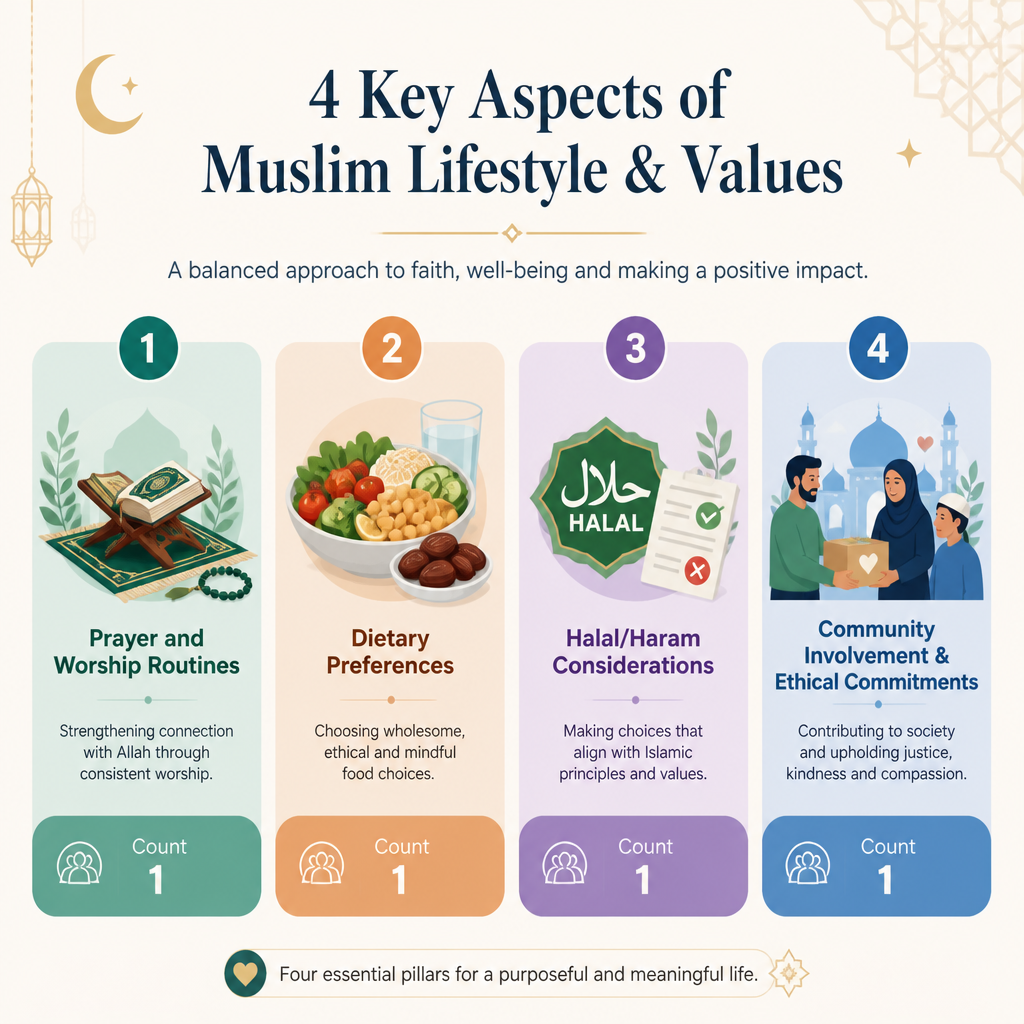
For many people, muslim identity shows up in daily choices:
- Prayer and worship routines
- Dietary preferences
- Halal/haram considerations in everyday decisions
- Community involvement and ethical commitments
When someone is abroad, these practices may be more difficult due to limited resources, different social norms, or lack of nearby community support. Yet they can also become a source of stability.
4.2 How identity is affirmed under pressure
Identity often becomes clearer when someone faces uncertainty—socially, culturally, or emotionally. Under pressure, some people feel forced to minimize their faith to avoid misunderstanding. Others respond by strengthening their understanding of what it means to submit to Allah and to live Islam with confidence.
5. Identity and anxiety/uncertainty for foreign Muslim students (digital life included)
One of the most challenging parts of being a foreign Muslim can be the combination of acculturation stress and social uncertainty. How do people adapt when they are learning new norms, managing cultural differences, and navigating stereotypes?

5.1 Key findings from a qualitative study in the US
A qualitative case study (2023) looked at foreign Muslim students in the United States and how they manage anxiety and uncertainty while communicating digitally. Researchers explored how students from different backgrounds strengthen their Muslim identity to cope with uncertainty.
Core outcome: students who had a stronger personal understanding of their Muslim identity reported that it helped reduce anxiety and uncertainty in cross-cultural digital interactions.
5.2 How strengthening identity reduced anxiety/uncertainty
In practice, identity strength supported coping in multiple ways:
- Clarity: knowing who you are spiritually can reduce confusion about how to behave.
- Confidence: faith identity can help you respond to misunderstandings without losing yourself.
- Resilience: when stereotypes or negative expectations appear, a grounded identity can protect wellbeing.
5.3 Why digital communication matters
Today, much belonging is built online—messaging groups, social media interactions, and community forums. For foreign Muslim students, digital communication can amplify both support and stress. If someone expects questions, judgment, or misunderstanding, every interaction can feel like a test.
That’s why strategies for navigating communication norms became an important part of the findings.
6. Communication strategies abroad: aligning with local norms while staying faithful
Adaptation does not mean abandonment. Many foreign Muslim students describe approaches that balance two goals:
- Building connection in the local context
- Remaining faithful to Islamic principles
6.1 Educating others about Islam stereotypes via social media
One recommended strategy is to address misconceptions proactively—especially through social media. This doesn’t mean arguing endlessly; it can mean:
- sharing accurate information
- explaining what muslim identity looks like in real life
- modeling respectful engagement
By doing so, foreign Muslims may reduce the burden of constant correction in every conversation.
6.2 Building rapport through culturally aware digital communication
Another key recommendation was to align communication style with local norms where appropriate—so messages land with clarity and respect.
Examples include:
- using the local language in a way that matches the audience
- recognizing cultural expectations about humor, directness, and formality
- maintaining a calm, informative tone when misunderstandings arise
In short: communication skills help create trust, while muslim identity provides purpose and internal stability.
7. Identity formation over time: historical roots of Muslim identity consciousness
Why do questions about “Muslim identity” matter so deeply today? Because identity consciousness didn’t always look the same in Muslim communities. Historical patterns show how identity can shift between ethnic, religious, and political understandings.
7.1 From ethnic-class distinctions to religious and political consciousness
An analysis of South Asian Muslim identity consciousness before 1947 traces how identity developed over centuries. Early distinctions often involved ethnic origin and social class—where “foreign-origin” Muslims held superior status compared to local converts. In that environment, identity could be treated more as a social hierarchy than a unified religious commitment.
7.2 Role of external threats and revival movements
Later, external pressures—such as British colonial rule and competing religious reform movements—helped intensify religious consciousness. When communities feel threatened, identity often becomes more active, more articulated, and more emotionally meaningful.
7.3 Political instrumentalization and lasting legacy
The same historical analysis argues that religious identity was sometimes used for political leverage. That political instrumentalization contributed to stronger separatist nationalism and left a lasting legacy after Partition—shaping how identity is understood and experienced long after the historical moment itself.
8. Bringing it together: a framework for understanding “foreign Muslim” responsibly
To use the term foreign muslim meaning responsibly, it helps to adopt a simple framework:
8.1 Avoid reductionism: “foreign” is context; “Muslim” is faith identity
“Foreign” usually describes circumstance—migration, minority status, or perception. “Muslim” refers to religious submission to Allah. Mixing these can lead to stereotypes (treating faith as something external and fixed by geography) or to erasure (treating real religious identity as “just culture”).
8.2 Respect diversity within Muslim communities
Muslim communities are not uniform. Differences in culture, language, ethnicity, and practice are real. A “foreign Muslim” can be a student, a worker, a convert, a refugee, a citizen, or someone simply living abroad for a season.
So the most humane definition is one that recognizes both:
- contextual foreignness
- individual Muslim identity
9. Conclusion: A clearer, more humane definition
“Foreign Muslim meaning” becomes clearer when we separate two layers:
- Muslim points to submission to Allah’s will—not merely a birth label.
- Foreign points to context—where someone lives, how society perceives them, and what kind of cultural distance they face.
And crucially, muslim identity is not only an external category—it is lived. For foreign Muslim students especially, strengthening identity can reduce anxiety and uncertainty, including in digital communication. When people communicate with cultural awareness while staying grounded in faith, belonging abroad becomes more possible—and misunderstanding becomes less powerful.
References
-
Kalijaga Journal of Communication. “Understanding the Strength of Muslim Identity as a Way to Manage Anxiety and Uncertainty for Foreign Students While Communicate Digitally in the US.” (2023). https://ejournal.uin-suka.ac.id/dakwah/kjc/article/view/2730
-
Irénées. “Consciousness of Muslim Identity in South Asia Before 1947.” https://www.irenees.net/bdf_fiche-analyse-883_en.html
-
Dissecting Jesus. “What ‘Muslim’ Actually Means.” https://dissectingjesus.com/2016/01/02/what-muslim-actually-means/