What Happens After Converting to Islam: Life, Challenges, and a New Muslim Guide for Reverts
Converting to Islam is one of the most meaningful decisions a person can make. For many reverts (people who were not born Muslim and later embraced Islam), the moment of saying the Shahadah can feel like arriving home—peaceful, clear, and guided. But then life starts moving quickly: you need to learn how to pray, how to read the Qur’an, how to adjust your habits, and how to navigate family and friendships that may respond in unexpected ways.
This article is a practical new muslim guide for understanding life after converting to islam: what you may feel in the first moments, what changes early in daily life, how to handle the real revert experience at home, and how to build confidence through community and steady worship.
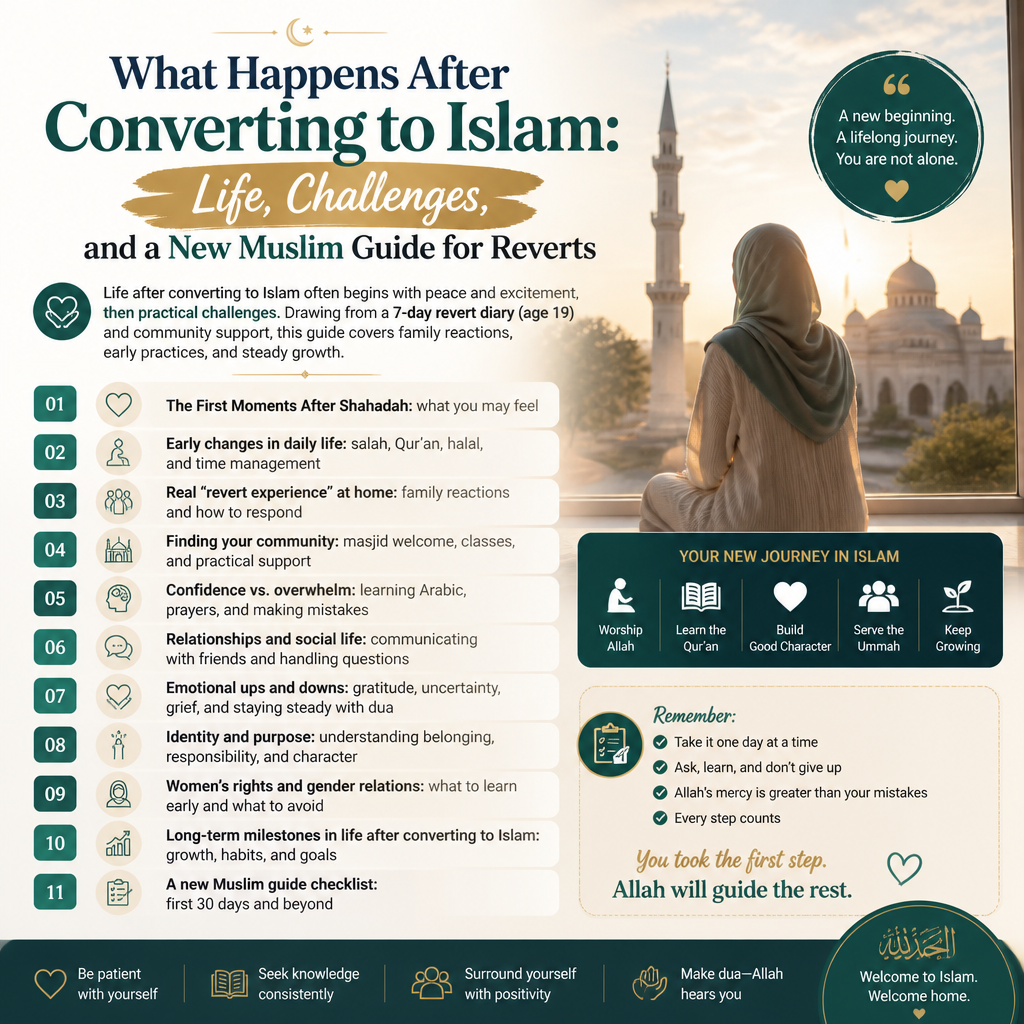
1) The First Moments After Shahadah: what you may feel
In the first minutes and hours after taking the Shahadah, many new Muslims report a mix of emotions—sometimes intense, sometimes calm.
Common feelings right after conversion
- Inner peace (a sense that your heart has been “found”).
- Excitement—you’ve chosen a truth that feels real.
- Gratitude—tears, relief, or a deep sense of “I’m not alone anymore.”
- Overwhelm—because you suddenly realize how much you still need to learn.
One realistic truth for reverts: you don’t need to “feel holy” every moment to be sincere. Your feelings may come in waves. What matters most is that you keep returning to worship and learning.
2) Early changes in daily life: salah, Qur’an, halal, and time management
Once you’re Muslim, your day starts aligning with Islamic guidance. The changes don’t always happen instantly—you’ll learn gradually—but you’ll notice you can’t “go back” to your old routine in the same way.
Salah: learning prayer step-by-step
Salah is the foundation. Early on, you may feel:
- Motivated to pray quickly—but also nervous about pronouncing correctly.
- Concerned about timing and the number of raka’ah (units).
- Shy if you’re praying in a new environment.
Practical tip: start with a simple plan: learn the basics (wudu, how to stand, recite Surah Al-Fatiha, and common duas). Many people find it easiest to learn from a local class, a trusted online teacher, or a masjid program.
The Qur’an: building a relationship, not a performance
Many new Muslims begin reading the Qur’an immediately. That’s beautiful. But if you’re not yet fluent in Arabic, remember: you’re still connecting with the Qur’an even while you’re learning.
- Try short recitations, not long study sessions you might abandon.
- Pair learning Arabic letters with simple meanings (even through translation).
Goal for early Qur’an habits: consistency beats intensity.
Halal and daily decisions
Halal awareness may affect food, restaurants, ingredients, and even lifestyle choices (like what products you buy). In the beginning, it’s okay to:
- ask questions
- read labels
- make gradual changes
Remember: you’re not expected to be perfect immediately. You’re expected to sincerely try.
Time management: adjusting your schedule
Islamic practices create a “rhythm” in your life. Some reverts feel stressed managing prayer times, work breaks, or commuting. Others feel calmer because their day has structure.
If you feel overwhelmed, create a simple routine:
- Find out your prayer times and plan your day around them.
- Set small reminders for salah and Qur’an.
- Choose one weekly learning session (class or halaqah) so growth is supported.
3) Real “revert experience” at home: family reactions and how to respond
For many converts, the hardest part of life after converting to islam is not prayer—it’s family dynamics. Your home may become the place where you face questions, misunderstandings, or even resistance.
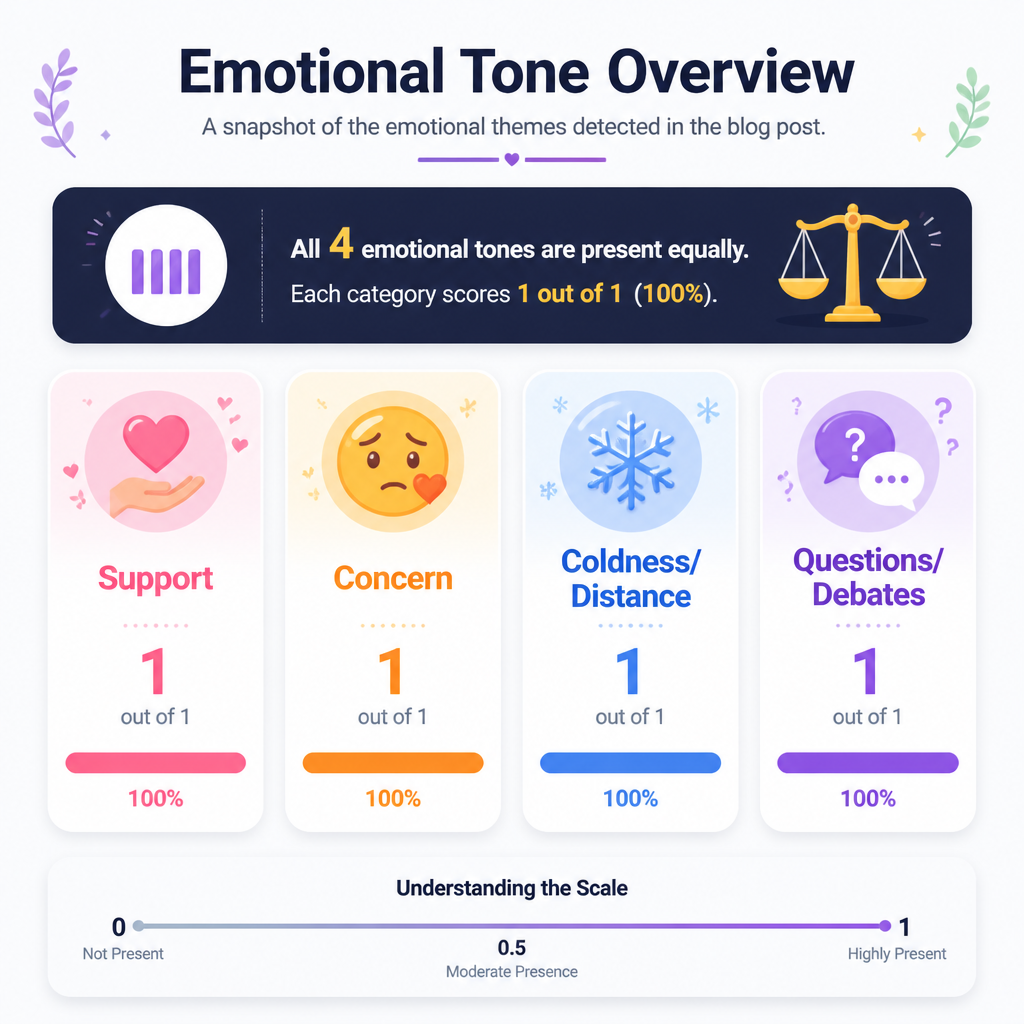
Common family reactions
- Support: “I didn’t know, but I’m glad you’re at peace.”
- Concern: fear for your safety, your future, or your beliefs.
- Coldness or distance: silence, criticism, or frustration.
- Questions and debates: “Why Islam?” “Why now?” “What about women/terrorism/rights?”
How to respond (without losing your sincerity)
- Be kind even when it’s hard. Patience is a worship act.
- Don’t argue to win. Speak with adab (good manners). If the conversation becomes hostile, pause and return later.
- Clarify intentions. Explain that you’re seeking truth and peace, not trying to harm anyone.
- Use boundaries. If family members mock your faith, protect your heart and practice respectfully.
One of the most practical lessons reverts learn: you can’t force acceptance, but your consistent character can soften hearts over time.
4) Finding your community: masjid welcome, classes, and practical support
A strong community can transform the early revert experience. Many new Muslims feel anxious walking into a masjid the first time—wondering if they’ll be judged or ignored.
What to look for
- New Muslim classes (beginner fiqh, salah basics, Qur’an learning)
- Revert support groups (especially for sisters and brother programs)
- Practical help (learning wudu, where to sit, what to wear)
- Patient teachers who answer questions without shame
What community support may look like
In real revert stories, people often mention warm welcomes, help finding appropriate clothing, gifts like prayer rugs, and introductions to Arabic lesson opportunities. Sometimes even small support—like someone showing you how to join the congregational prayer—makes you feel safe enough to keep going.
5) Confidence vs. overwhelm: learning Arabic, prayers, and making mistakes
A major challenge in life after converting to islam is the gap between where you are and where you want to be. That gap can create anxiety: “Am I doing it right?” “Will people notice?” “What if I mess up?”
Make mistakes on purpose (the good kind)
Yes—mistakes. But learn from them.
- Mispronounce an ayah? Ask for correction.
- Confuse steps in wudu? Practice and ask someone to teach you.
- Forget a dua? That’s normal—learn again.
Your job is not to feel confident from day one. Your job is to keep learning with humility.
Arabic learning: a simple strategy
You don’t need to become fluent immediately. Early stages can focus on:
- Surah Al-Fatiha
- Short surahs you recite in salah
- Essential phrases for prayer
- Basic letters and pronunciation
Many new Muslims find progress fastest when they learn what they need for worship first, not abstract grammar first.
6) Relationships and social life: communicating with friends and handling questions
Your social circle may change after conversion. Some friends may drift away. Others may become curious. Some will ask sensitive questions.
Handling common questions
- “What made you choose Islam?” Share your journey briefly and sincerely.
- “What do Muslims believe?” Keep it simple—then offer to discuss later.
- “What about stereotypes?” Redirect to Islamic values and your daily life.
- “Will you change everything?” Explain you’re learning step-by-step.
Protect your heart
Sometimes friendships become harder because of alcohol, inappropriate conversations, or disrespect. You can set boundaries without hating anyone:
- choose gatherings that align with your values
- limit stressful conversations
- spend more time with supportive Muslims
Over time, you’ll likely build a new “home base” of relationships that feel safe and meaningful.
7) Emotional ups and downs: gratitude, uncertainty, grief, and staying steady with dua
Converting to Islam can feel like a spiritual miracle—yet emotions can still be complicated. Some reverts feel grief about friendships left behind, uncertainty about identity, or fear about being misunderstood.
What emotions are normal?
- Gratitude for guidance
- Uncertainty about whether you’re learning correctly
- Loneliness if family or friends don’t understand
- Joy during Qur’an learning and community events
How to stay steady
- Make dua consistently. Ask Allah for knowledge, patience, and a heart that stays firm.
- Don’t isolate. Even one supportive person helps.
- Track small wins. You prayed correctly today. You read a page. You learned one mas’alah (ruling). These matter.
Spiritual growth often looks like small steps repeated daily—not dramatic feelings every day.
8) Identity and purpose: understanding belonging, responsibility, and character
One of the deepest changes in life after converting to islam is identity. You’re not just adopting rituals—you’re joining a community and a mission of worship.
Belonging
As you learn more, you’ll realize Islam offers belonging: to Allah, to the Ummah, and to a tradition bigger than your personal story.
Responsibility
- You become accountable for your choices.
- You learn to live with sincerity and good character.
- You start caring about halal, adab, and salah—not as rules to “escape judgment,” but as worship.
Character matters early
In the revert stage, your character is a powerful witness. When you respond with patience at home, honesty with friends, and kindness in public, people notice. Your behavior becomes part of your dawah (inviting by example).
9) Women’s rights and gender relations: what to learn early and what to avoid
Questions about women in Islam are common—sometimes respectful, sometimes loaded. As a new Muslim, you may feel pressured by online debates. A better approach is to learn from reliable scholars and start with your daily responsibilities: salah, Qur’an, and character.
What to learn early (recommended topics)
- Core teachings on respect, dignity, and rights
- Islamic guidance on modesty and intentions
- Family responsibilities and kindness
What to avoid early on
- Endless comment sections that confuse you
- Conversations that make you angry rather than wise
- “One-clip” videos that oversimplify complex issues
If you want clarity, focus on learning from trustworthy teachers and asking your masjid for guidance.
10) Long-term milestones in life after converting to Islam: growth, habits, and goals
Conversion is not a finish line—it’s a beginning. Over months and years, you’ll experience milestones that look like:
- Regular salah with less struggle
- Comfort with Qur’an recitation and gradual Arabic understanding
- Improved emotional stability through dua and remembrance
- More consistent halal living as you gain knowledge
- Deeper community involvement (volunteering, mentoring, joining events)
Your “milestones” may also be personal: having more patience with family, feeling calmer under pressure, or choosing a career/lifestyle that supports worship.
11) A new Muslim guide checklist: first 30 days and beyond
Below is a practical checklist you can use as a new muslim guide. Adjust it to your situation and level of knowledge.
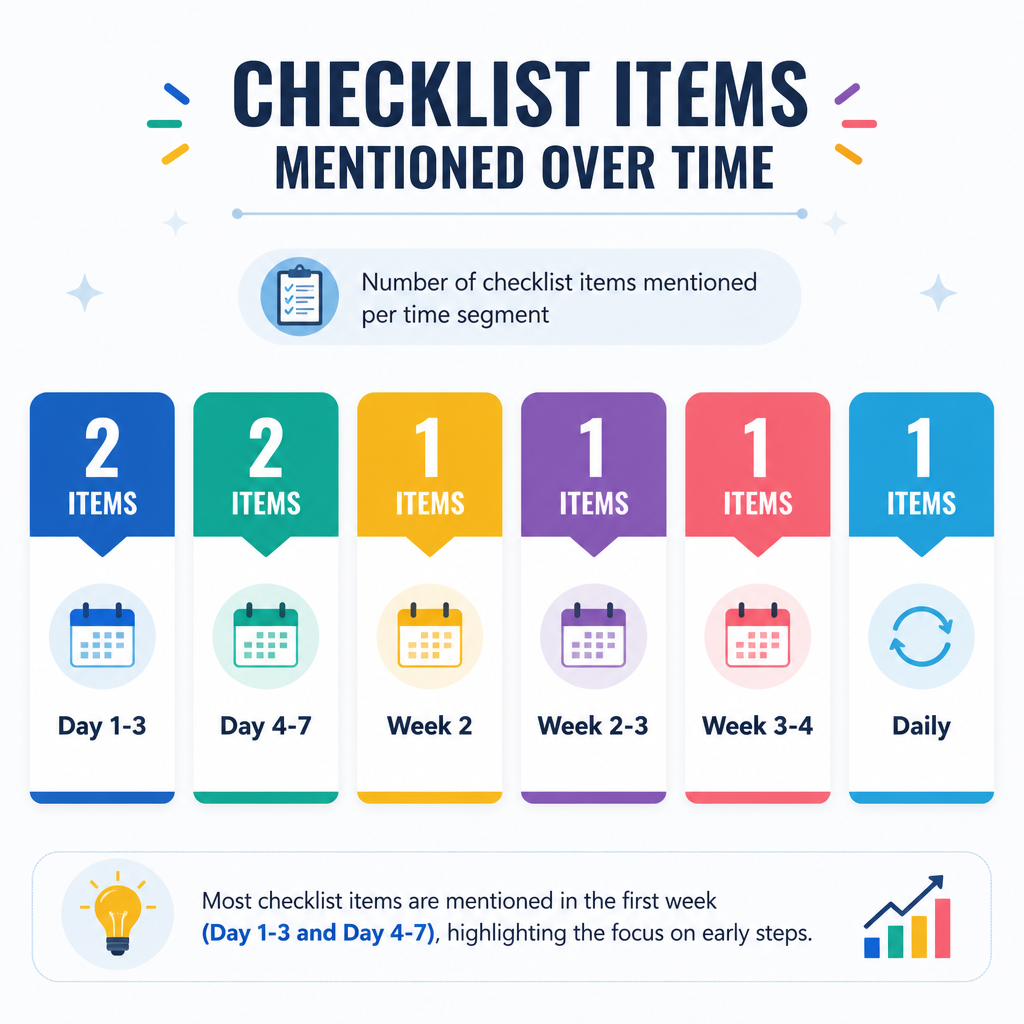
First 30 days (simple, realistic)
- Day 1–3: Learn wudu basics + learn how to start salah (standing, reciting Al-Fatiha).
- Day 4–7: Recite a short surah in salah; learn common duas.
- Week 2: Start Qur’an learning (even one page or a short daily recitation).
- Week 2–3: Find a class/halaqah and attend at least once.
- Week 3–4: Create a simple halal routine for meals and daily choices.
- Daily habit: Make dua for knowledge, patience, and guidance.
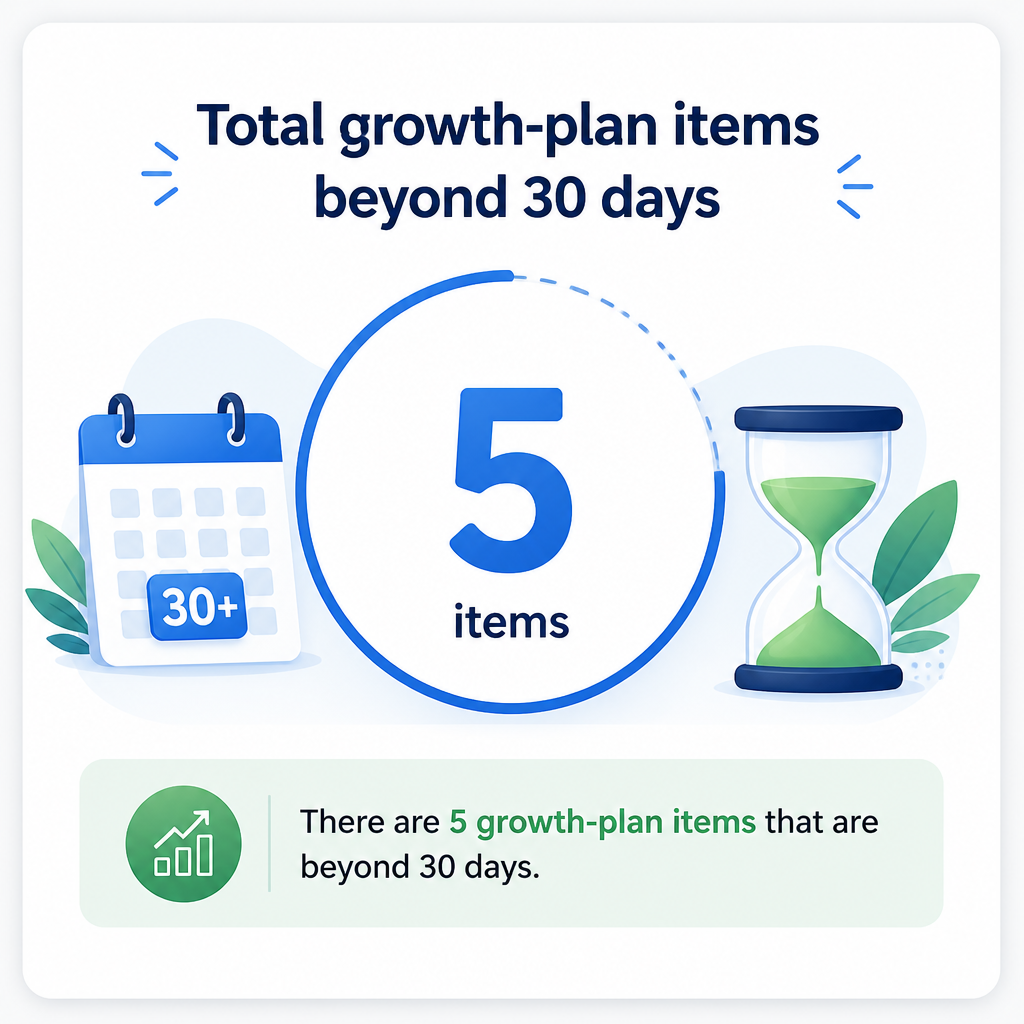
Beyond 30 days (growth plan)
- Continue Qur’an study with a teacher or structured program.
- Learn key fiqh topics relevant to everyday life (prayer, cleanliness, halal/haram basics).
- Strengthen community ties: attend mosque, meet mentors, ask questions respectfully.
- Set a goal for long-term Arabic growth (e.g., recitation first, translation next).
- Focus on character: honesty, kindness, and patience with family and friends.
Conclusion: life after converting to Islam is a journey—stay consistent
After converting to Islam, you may feel peace immediately—and then face real challenges quickly: learning salah, adjusting to halal, handling questions from friends, and dealing with family reactions. This is normal. Your job is not to be perfect. Your job is to keep moving forward with sincere worship, patience, and community support.
Key takeaway: Your revert experience becomes stronger every time you return to dua, learn one more thing, pray again, and show good character—even when it’s difficult.
Reference (for revert experience insights)
- Muslim Converts — “My First Week as a Muslim: A New Revert’s Honest 7-Day Diary” (7-day post-conversion diary; age 19). https://muslimconverts.com/convert-stories/first-week-as-a-muslim/