
Separating Culture From True Religion: A Guide to “Islam vs Culture” and Avoiding Cultural Religion Confusion
If you’ve ever heard someone say, “That’s Islamic,” when it seems more like a tradition, or if you’ve watched media reduce complex Muslim lives to stereotypes, you’ve already encountered the heart of the issue: islam vs culture. Confusing culture with religion can distort faith, fracture communities, and misinform the public—often at the exact moment when clarity is most needed.
This guide will help you separate Islamic religious teachings (rooted in the Quran and the Sunnah) from cultural religion (customs and social norms that vary by region, ethnicity, and history). Along the way, you’ll learn a practical way to “discern” what to keep, what to question, and what to reject.
1. Why the “Islam vs culture” question matters
Confusion in media and communities
Mislabeling is common. Media outlets may show a cultural practice—something inherited from a local society—and describe it as if it were direct Islamic doctrine. Within communities, people may defend family customs by calling them “Islam,” even when the custom doesn’t trace back to authoritative religious sources.
The stakes: faith communities, family identity, and public understanding
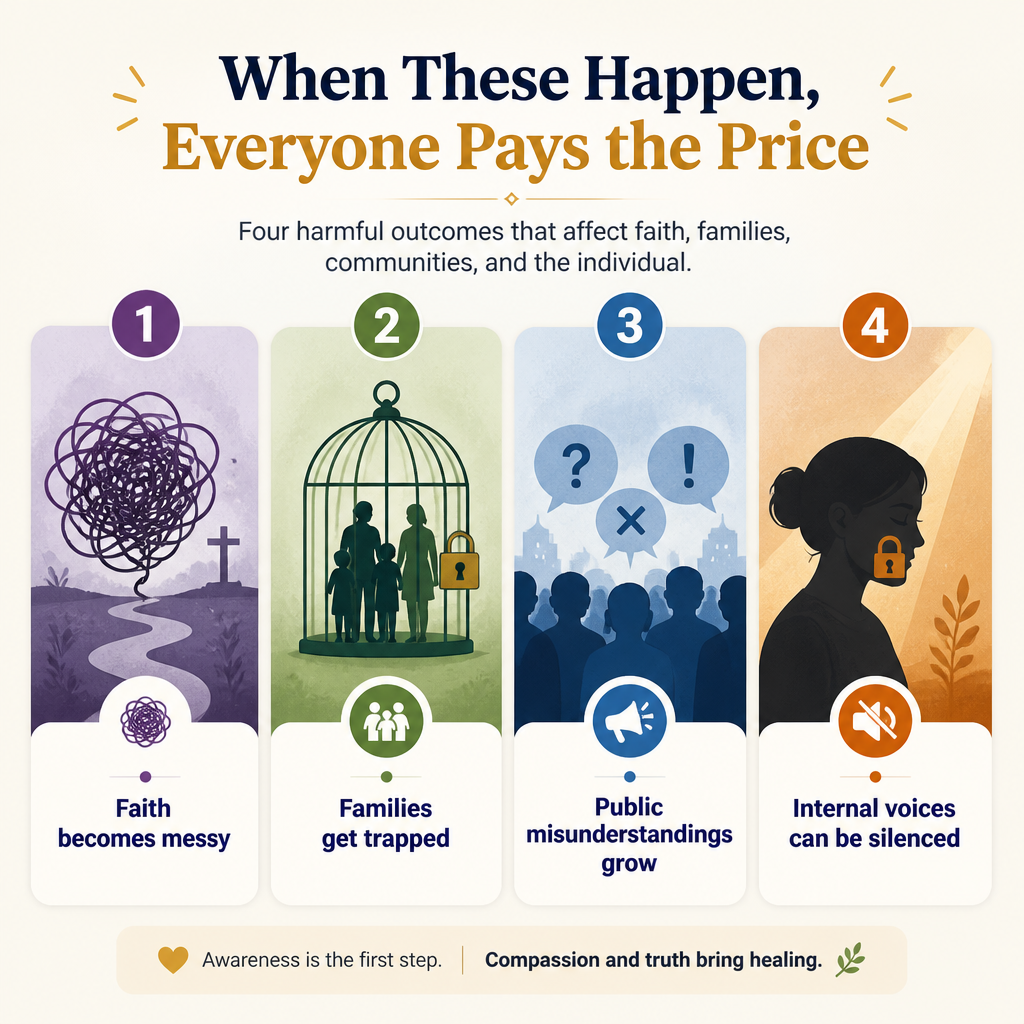
When culture is treated as religion, several problems follow:
- Faith becomes messy: people defend traditions rather than truth.
- Families get trapped: disagreements become identity battles instead of genuine learning.
- Public misunderstandings grow: observers assume Muslim doctrine equals cultural practices.
- Internal voices can be silenced: immigrant or “minority within the community” experiences can be marginalized.
2. Define the difference: Islamic religious teachings vs cultural religion
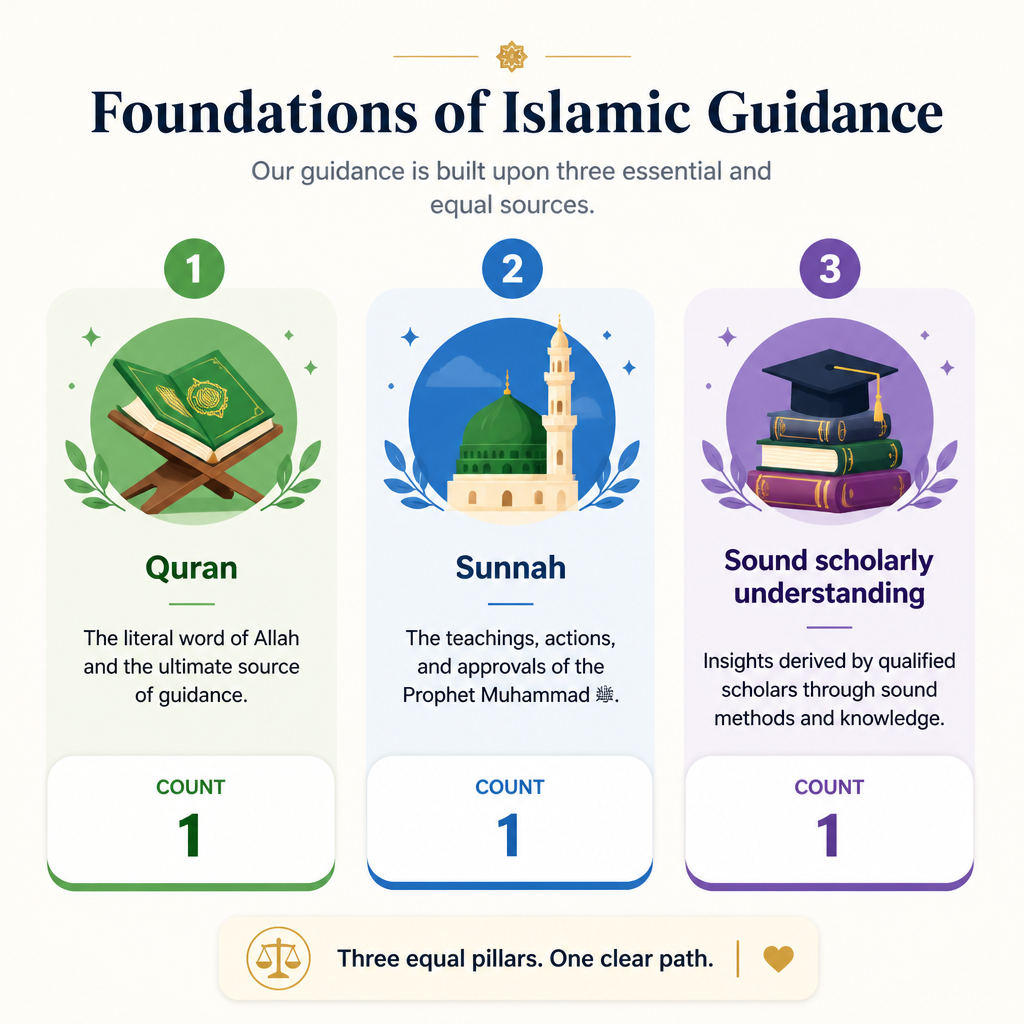
A helpful starting point is a simple principle: what qualifies as truly Islamic should connect clearly to the Quran and Sunnah.
What qualifies as truly Islamic
Practices and beliefs are “Islamic” when they are grounded in:
- Quran teachings
- Sunnah (Prophetic practice and guidance)
- sound scholarly understanding that explains how those sources apply
What stays cultural
Culture includes the inherited norms of a society—its customs, etiquette, gender expectations, celebrations, and “common sense” social rules—that may:
- vary from region to region
- change over time
- survive even when they conflict with Islamic ethics
Parallel example: Catholics across regions
Consider how Catholics differ across the world. The faith remains Catholic, but cultural expressions—music, clothing, ceremonies, and social norms—vary. The same pattern exists for Muslims: Islam provides the religious foundation, while cultures shape expression.
3. How culture gets mistaken for religion
Understanding the mechanisms behind confusion helps you avoid it.
Immigrant and dominant cultural patterns become treated as universal norms
When one cultural group becomes the visible majority—through geography, media presence, or community leadership—its practices can be mistaken for the “default Islamic way.” Yaqeen Institute describes how dominant cultural understandings in some contexts can be unintentionally universalized, crowding out indigenous or local voices.
Ethnocentrism inside Muslim spaces
Sometimes the issue isn’t only outsiders confusing Islam and culture; it’s insiders doing the same. Ethnocentrism can lead communities to treat certain family structures, dialects, social expectations, or moral “rules of thumb” as if they are religious requirements. This can marginalize:
- newly arrived groups
- indigenous Muslims
- minority cultural identities
Pre-Islamic survivals
MinnPost highlights how many practices attributed to Islam are actually pre-Islamic cultural survivals—customs that existed before Islam but continue because human societies preserve what feels familiar. Some customs may even contradict core Islamic teachings (justice, mercy, and accountability), yet remain socially “sticky.”
4. Islam as a “filter” for beneficial culture
Separating culture from religion does not mean rejecting culture wholesale. A more nuanced approach is to see Islam as a guiding filter: it can affirm what is beneficial and reject what is harmful.
Islam enhancing beneficial indigenous cultural elements
One powerful insight from Yaqeen Institute is that Islam can enhance beneficial aspects of a culture without erasing identity. Historically, Islam demonstrated the ability to coexist with diverse cultural expressions while maintaining religious boundaries.
Historical tolerance: coexistence without erasure
Islam’s message travels across languages and societies. People bring their social worlds with them—food, aesthetics, local celebrations, language style—and Islam provides moral and spiritual evaluation for those worlds.
Caution: “calling everything Islam” can conceal harm
When everything is labeled Islamic, critical discernment disappears. That is how harmful cultural habits can hide behind religious language. The result is cultural religion: a blend where tradition is protected as doctrine, even when it contradicts Islamic ethics.
5. Islam vs culture in real life: practical examples of discernment
Let’s move from concept to practice. Discernment usually involves asking: Where did this belief or behavior come from? and Does it align with Quran and Sunnah?
Family and community customs: what to keep, what to question
Not every tradition is automatically religious or automatically wrong.
For example, community gatherings may include:
- cultural dress or celebratory foods (often fine as expression)
- gendered social rules (may need evaluation against Islamic justice and dignity)
- rituals presented as mandatory religious obligations (often a red flag)
A helpful approach:
- Keep practices that express gratitude, hospitality, community care, and beauty without violating Islamic principles.
- Question practices that rely on status, coercion, or inherited privilege.
- Reject practices that contradict Quran/Sunnah or undermine repentance, justice, and worship.
Justice and social ethics: measuring practices by Islamic principles
One of Islam’s core contributions is ethical orientation—accountability, fairness, and spiritual sincerity. If a “custom” produces injustice, humiliation, or oppression, then it likely belongs to culture, not religion.
In practice, ask:
- Does this practice treat people with dignity?
- Does it protect the weak or empower the powerful?
- Does it reduce hypocrisy or enable it?
This shifts you from defending traditions to defending values.
Education and systemic inequality: using “ancestral knowledge” aligned with justice
Yaqeen Institute frames how some communities misunderstand cultural knowledge by viewing it through a colonial lens that ignores indigenous strategies for justice. “Ancestral Knowledge” is described as embodied wisdom that can resist oppression in ways consistent with Islamic ethics.
For instance, systemic issues like the school-to-prison pipeline show that communities need more than slogans. They need practical, ethical, culturally-rooted strategies that align with Islamic principles of justice and protection of human potential.
Key takeaway: Islam vs culture isn’t only about rituals—it’s about whether our “religious identity” is being used to ignore real harm.
6. The discipline of accurate judgment
To avoid cultural religion confusion, you need a method. Not everyone will become a scholar, but everyone can improve accuracy.
Evaluate claims: origin, evidence, and alignment
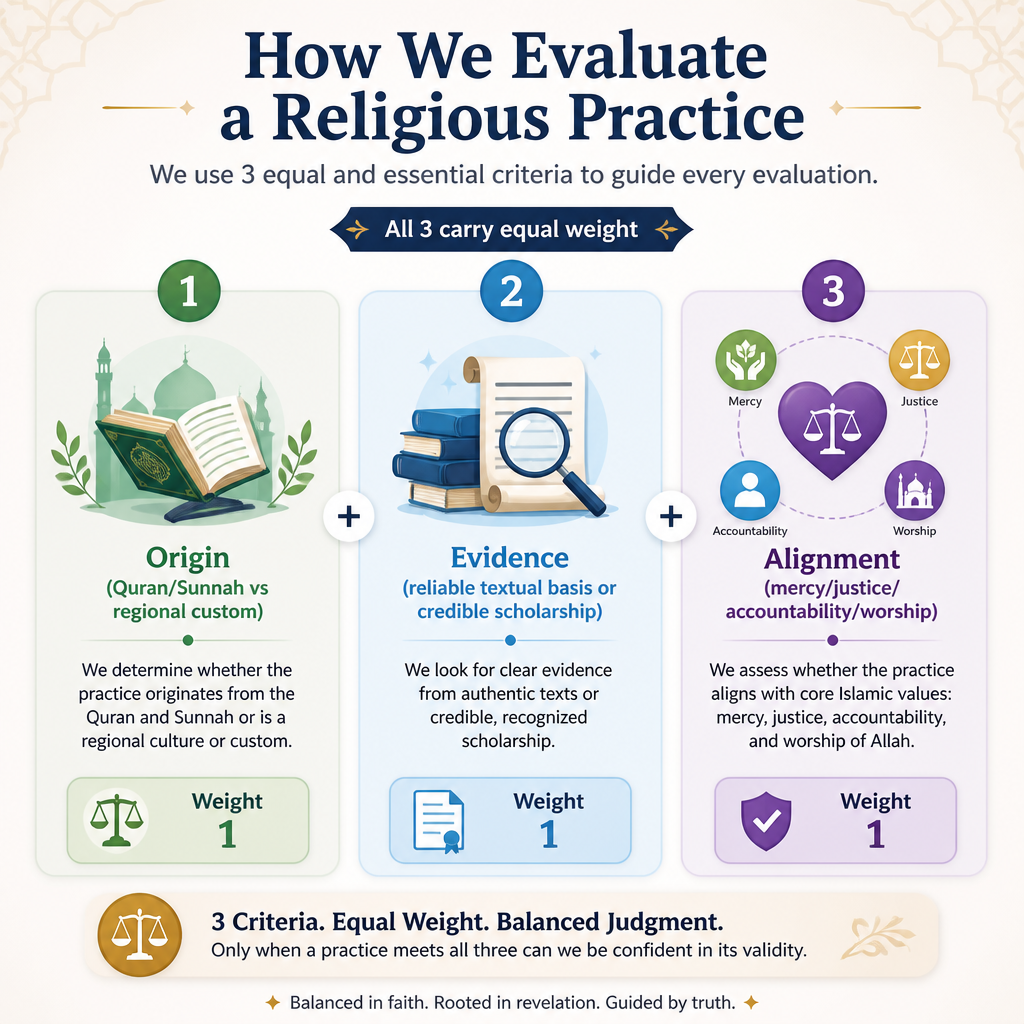
When someone labels a practice “Islamic,” consider three questions:
- Origin: Does it trace to Quran and Sunnah, or is it a regional custom?
- Evidence: Is there reliable textual basis or credible scholarly explanation?
- Alignment: Does it fit Islamic ethics—mercy, justice, accountability, and worship?
Avoiding “epistemicide”: reclaiming non-Western knowledge and indigenous perspectives
Yaqeen Institute warns against epistemicide—the erasure of non-Western knowledge and ways of knowing. In the context of islam vs culture, this matters because communities often dismiss their own inherited wisdom or indigenous strategies as “un-Islamic,” even when those strategies can support justice and wellbeing.
So discernment is not only about rejecting; it is also about recovering truth where it has been undervalued.
Build humility: recognize variation while protecting religious boundaries
Islamic unity does not require cultural uniformity. You can respect differences in expression while still protecting the boundary between:
- religious teaching (defined by Quran/Sunnah)
- cultural expression (varies by society)
Humility helps you avoid two extremes:
- Extreme 1: labeling every culture as Islam, preventing critique.
- Extreme 2: rejecting everything cultural as if it were automatically anti-Islam.
7. Conclusion: Toward clearer faith and healthier communities
When religion is separated from culture, Muslims can preserve identity without confusing doctrine. The goal is not to erase community heritage; it is to keep faith clean and ethical.
A hopeful path forward looks like this:
- Speak precisely: don’t call customs “Islam” unless they trace to Quran/Sunnah.
- Practice sincerely: focus on worship and character, not tribal loyalty.
- Honor beneficial culture: accept what serves goodness, reject what harms, and remain open to learning.
That’s how “islam vs culture” becomes a constructive question—one that protects religious truth and strengthens communities instead of dividing them.