Practicing Islam in West: Challenges and Opportunities for Muslim Life in Non-Muslim Countries
Practicing islam in west can be deeply rewarding—but it also comes with real Muslim challenges in daily life, community, and public perception. This guide explores what many Muslims experience and how to turn obstacles into spiritual growth and positive outreach.
1. Introduction: What It Means to Practice Islam in the West
Practicing Islam in non-Muslim-majority countries is not just about believing the Qur’an and following the Sunnah. It’s about living those principles in a society where norms, holidays, food systems, media narratives, and even assumptions about “religion” may be very different from home.
Many Muslims describe the West as a place of both freedom and friction: freedom to worship, learn, and choose; friction from misunderstanding, discrimination, and the practical challenge of keeping worship consistent in everyday schedules.
This article focuses on the core question: What are the real challenges of practicing Islam in the West—and what opportunities can help Muslims thrive?
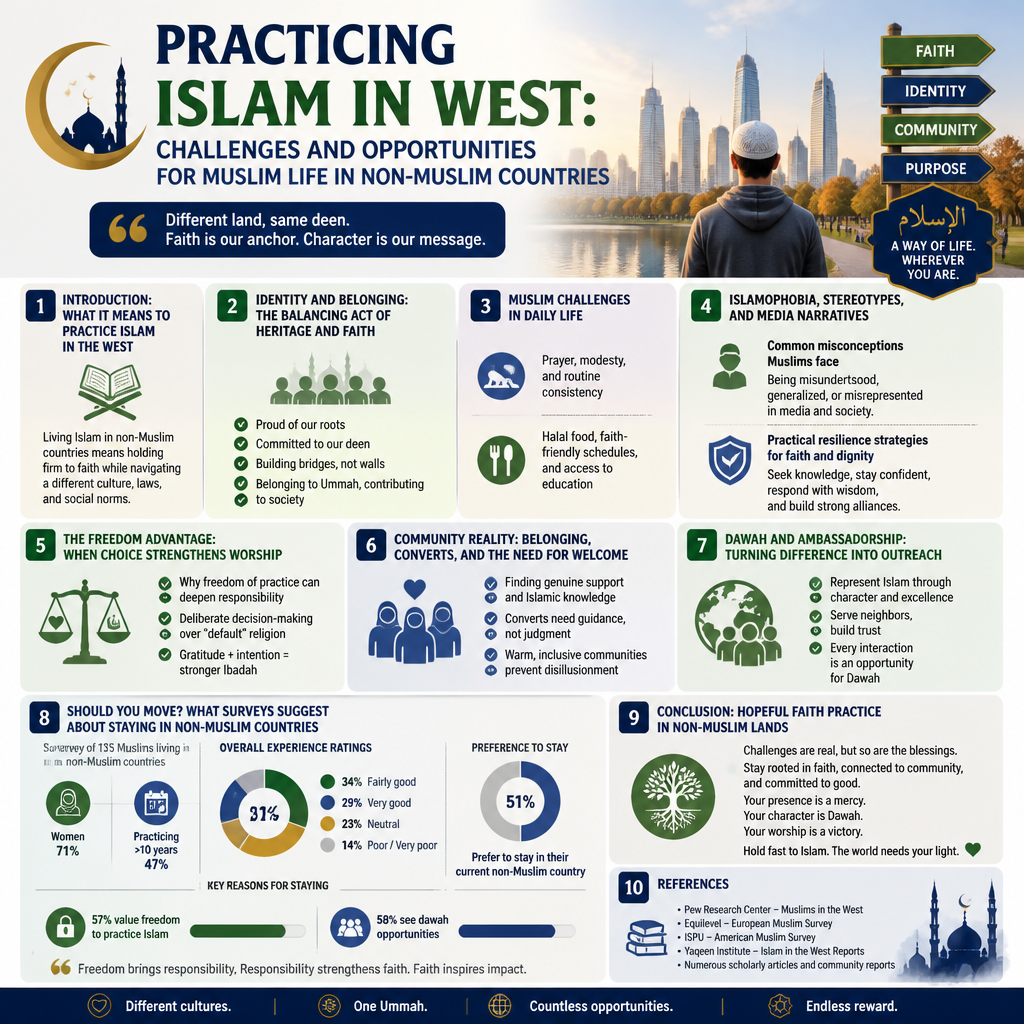
2. Identity and Belonging: The Balancing Act of Heritage and Faith
One of the earliest Muslim challenges is identity navigation. Many Muslims grow up at the intersection of two worlds:
- Heritage and family traditions (language, cultural customs, collective memory)
- Islamic belief and practice (worship, values, ethics, and commitment to the deen)
In the West, it’s easy for “religion” to become either:
- a private label people don’t talk about, or
- a visible identity that others feel entitled to comment on.
Muslims often develop a deliberate approach: they learn their deen, define what Islam means to them personally, and decide how to integrate Islam with their daily life rather than defaulting to cultural pressure.
3. Muslim Challenges in Daily Life
Some challenges are logistical—yet they matter because worship requires consistency. Others are emotional—because constant negotiation can wear down motivation.
3.1 Prayer, modesty, and routine consistency
Practicing Islam in the West can mean:
- finding time for five daily prayers around school, work, commute, or family responsibilities
- maintaining modesty in clothing choices in environments with different dress norms
- staying consistent with fasting schedules, especially during long seasons
For many Muslims, the solution is not only personal discipline—it’s also planning: choosing prayer times early, creating a routine, and finding supportive spaces when possible.
3.2 Halal food, faith-friendly schedules, and access to education
Even when Muslims are surrounded by diverse options, the basics may still require effort:
- locating halal food you trust
- managing events that revolve around non-halal meals
- finding faith education for children (or for converts who need to build a foundation)
- coordinating school or work schedules that don’t naturally align with Islamic needs
These are among the most practical Muslim challenges—and they often become opportunities for organization, community building, and learning.
4. Islamophobia, Stereotypes, and Media Narratives
Beyond daily logistics, many Muslims face a heavier burden: being judged through stereotypes rather than known as individuals.
4.1 Common misconceptions Muslims face
Islamophobia often appears through “misconceptions” that spread in conversation, media, or school materials. These may include:
- reducing Islam to a single storyline (instead of a full religion with a rich tradition)
- assuming Muslims are inherently hostile or politically driven
- treating modesty as oppression rather than faith-based practice
- criticizing visible religious expression while ignoring the humanity behind it
Some Muslims describe how these narratives affect everyday life: from casual comments to public scrutiny, and from workplace misunderstandings to social exclusion.
4.2 Practical resilience strategies for faith and dignity
Resilience doesn’t mean suppressing feelings. It means protecting your deen and your dignity even under pressure. Helpful strategies include:
- Learn your deen so you can answer questions calmly and accurately
- Choose your battles: respond when it benefits truth, stay silent when it protects peace
- Build community around people who encourage you rather than drain you
- Center character: patience, honesty, and good conduct speak louder than arguments
When media criticism targets Islam, it can also become motivation to study—so Muslims are prepared and confident, not defensive.
5. The Freedom Advantage: When Choice Strengthens Worship
Not all Western realities feel like obstacles. In many cases, religious freedom becomes a catalyst for spiritual maturity.
5.1 Why freedom of practice can deepen responsibility
When Muslims live in a place where they can worship without coercion, they are challenged to be intentional. Instead of “doing Islam” because everyone around you does it, you must internalize why it matters.
This shift can strengthen faith through:
- personal responsibility (you choose, you learn, you commit)
- increased self-awareness about worship and intention
- long-term confidence in defending and explaining Islamic teachings
5.2 Deliberate decision-making over “default” religion
Islam in the West often requires Muslims to make conscious decisions—about prayer schedules, modest dress, religious education, and community involvement. Over time, that intentionality can deepen devotion.
In other words, freedom doesn’t remove struggle—it transforms it into a training ground for sincerity.
6. Community Reality: Belonging, Converts, and the Need for Welcome
Community is one of the most important supports for practicing Islam in non-Muslim countries. But community can also be challenging when people feel:
- welcomed only partially
- judged for being new, different, or still learning
- left to navigate alone when difficulties arise
For converts in particular, the need for kindness and guidance is critical. Some converts report disillusionment if they experience unwelcoming behavior rather than compassionate mentorship.
A healthy community doesn’t just host events—it actively builds belonging through:
- clear support pathways for new Muslims
- respectful coaching for children and youth
- spaces where people can ask questions without fear
- practical help (resources, introductions, shared meals, transport support)
7. Dawah and Ambassadorship: Turning Difference into Outreach
Living visibly as a Muslim in the West can create opportunities for dawah—sometimes through direct questions, often through observation.
Many Western Muslims are called to be ambassadors of Islam through:
- character—patience, honesty, fairness, and mercy
- service—helping neighbors and supporting community wellbeing
- competence—working hard and excelling in school or profession
- faith clarity—being respectful when explaining Islam
The goal is not to argue with everyone, but to represent Islam authentically through a life that reflects Qur’anic values.
8. Should You Move? What Surveys Suggest About Staying in Non-Muslim Countries
Some Muslims wonder whether practicing Islam is easier in Muslim-majority countries. Survey insights can help answer that question realistically.
8.1 Key findings from a survey of 115 Muslims
One study surveyed 115 Muslims to understand experiences living and practicing Islam in non-Muslim majority countries. The sample included:
- 71% women
- 47% practicing Islam for more than 10 years
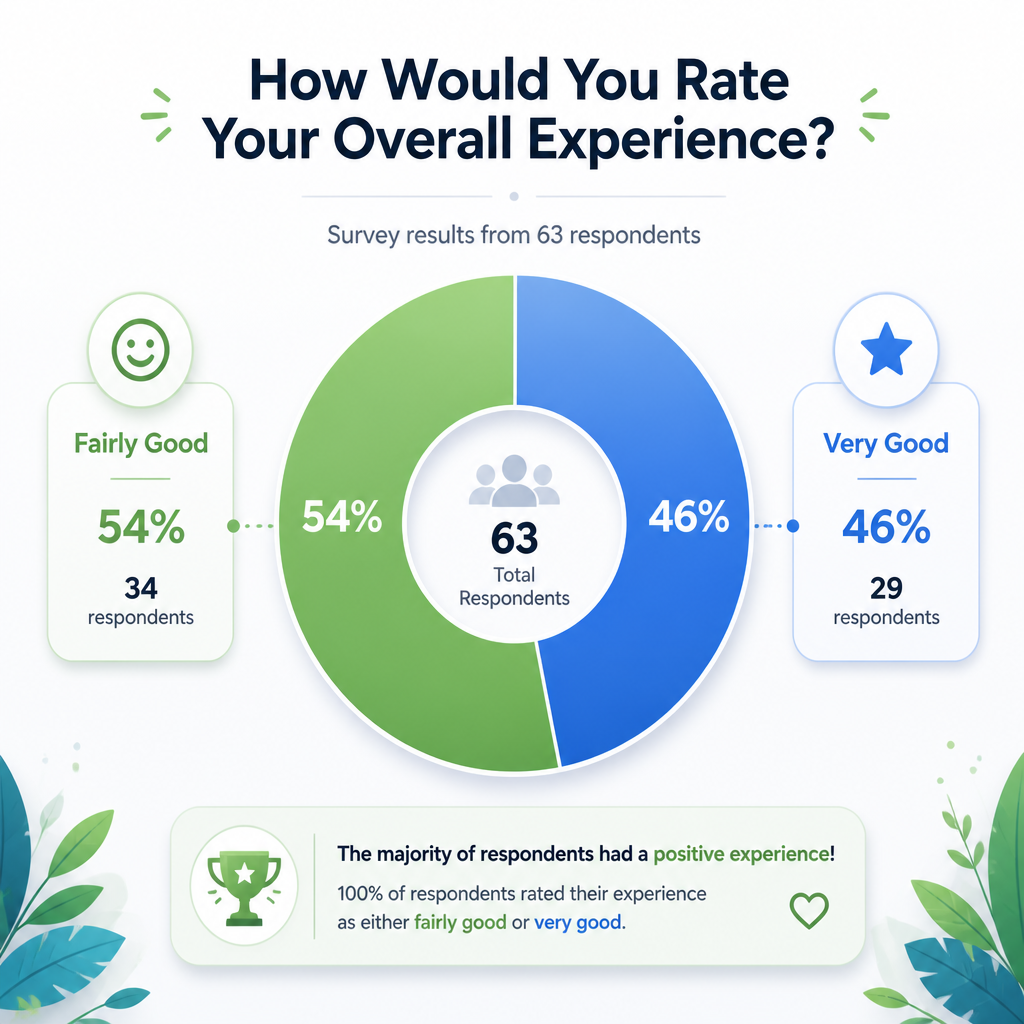
Overall experience ratings included:
- 34% reporting experiences as “fairly good”
- 29% reporting experiences as “very good”
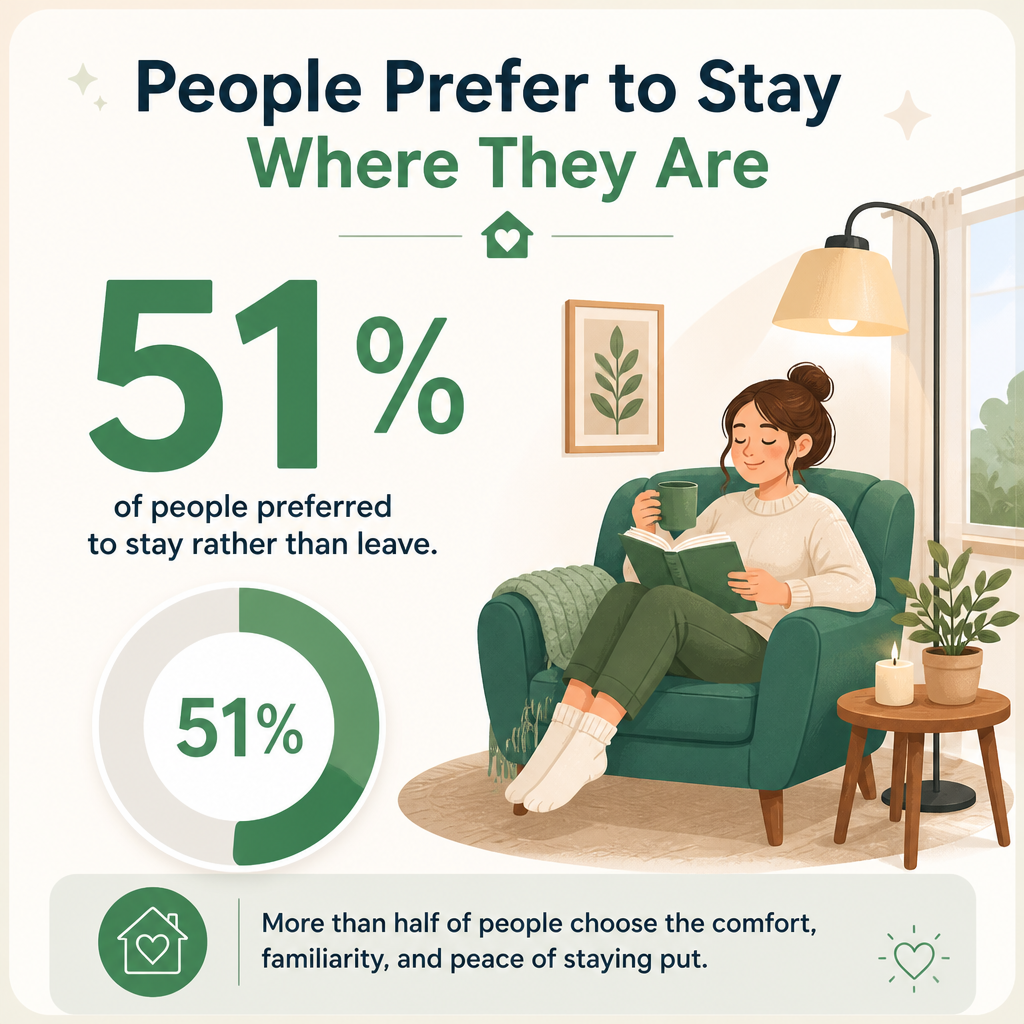
When asked about preferences to move to Muslim-majority countries, the majority reported they preferred not to move:
- 51% preferred to stay
8.2 Why freedom and dawah opportunities matter
Two frequently selected reasons highlight a hopeful truth:
- 57% valued freedom to practice
- 58% saw dawah opportunities
These findings suggest that, for many, the West is not only survivable—it can be meaningful. Challenges may exist, but religious freedom and authentic engagement with society can be powerful motivators.
8.3 Interpreting the data wisely
Of course, experiences vary by country, community, gender, age, and personal circumstances. But the survey points to a consistent theme: many Muslims stay because they can worship freely and build a life of purpose—while also contributing positively to the wider society.
9. Conclusion: Hopeful Faith Practice in Non-Muslim Lands
Practicing Islam in West comes with Muslim challenges: navigating identity, dealing with stereotypes, finding practical solutions for worship, and building community support that doesn’t leave people behind.
Yet these same conditions can also create opportunity. When freedom is present, it encourages intentional responsibility. When Muslims live with strong character, difference becomes a form of da’wah. And when communities welcome sincerely, even converts and newcomers can flourish.
Hope is not denial. It’s a decision to keep worship, keep learning, and keep building—one prayer and one act of kindness at a time.
10. References
-
Let’s Talk Islam Now — “Finding Our Way Home: Being Muslim in the West” (June 2025). https://www.letstalkislamnow.com/2025/06/finding-our-way-home-being-muslim-in.html
-
About Islam — “Living Islam in the West: Is it Easy?” (survey study; 115 respondents). https://aboutislam.net/reading-islam/research-studies/living-islam-in-the-west-is-it-easy/
-
Voice of British Muslim Women — “Holding Onto my Faith In the West” (Jan 2020). https://voiceofbritishmuslimwomen.co.uk/2020/01/21/holding-onto-my-faith-in-the-west/