Living Islam with Purpose: The Purpose in Islam Explained (Meaning of Life in Islam)
When you feel distracted, overwhelmed, or stuck in a cycle of “work, worry, repeat,” the question becomes urgent: What is the meaning of life in Islam? For many, “purpose” isn’t a motivational slogan—it’s the difference between living intentionally and drifting through days that feel strangely empty.
Islam answers this with clarity and depth: purpose in Islam is not merely self-improvement, spirituality without direction, or chasing success for its own sake. Instead, it is centered on worship of Allah, lived with sincerity, guided by revelation, and expressed through daily choices that shape your Hereafter.
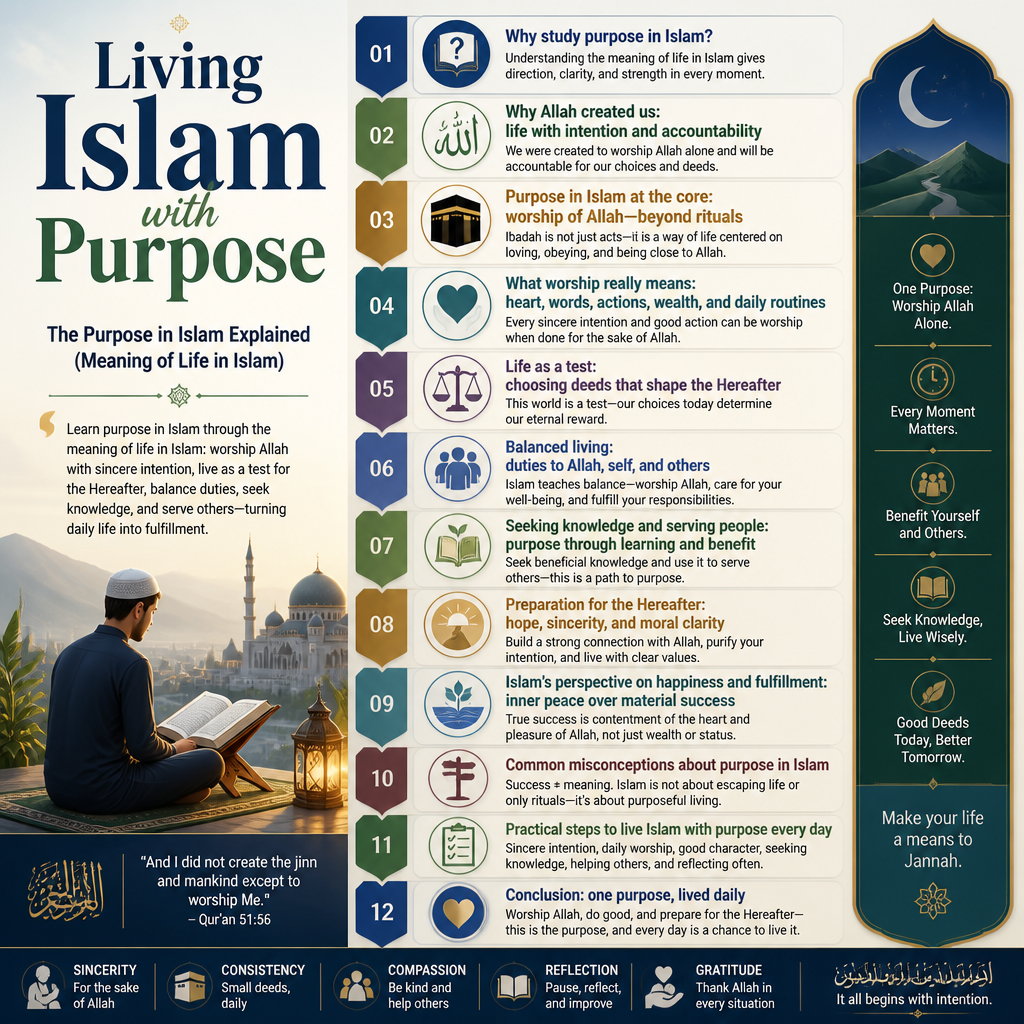
1) Why study purpose in Islam? (Why “meaning of life Islam” matters)
Understanding the meaning of life Islam is powerful because it reorganizes how you interpret everything:
- Time stops being accidental and becomes accountable.
- Trials stop being meaningless suffering and become opportunities for growth, patience, and moral clarity.
- Success stops being the final goal and becomes a test—something you use responsibly.
Without a real purpose, people often try to fill inner longing with external achievements. Islam offers a different foundation: the soul is created with fitrah (innate orientation) toward its Creator, and your heart thrives when it returns to Allah.
2) Why Allah created us: life with intention and accountability
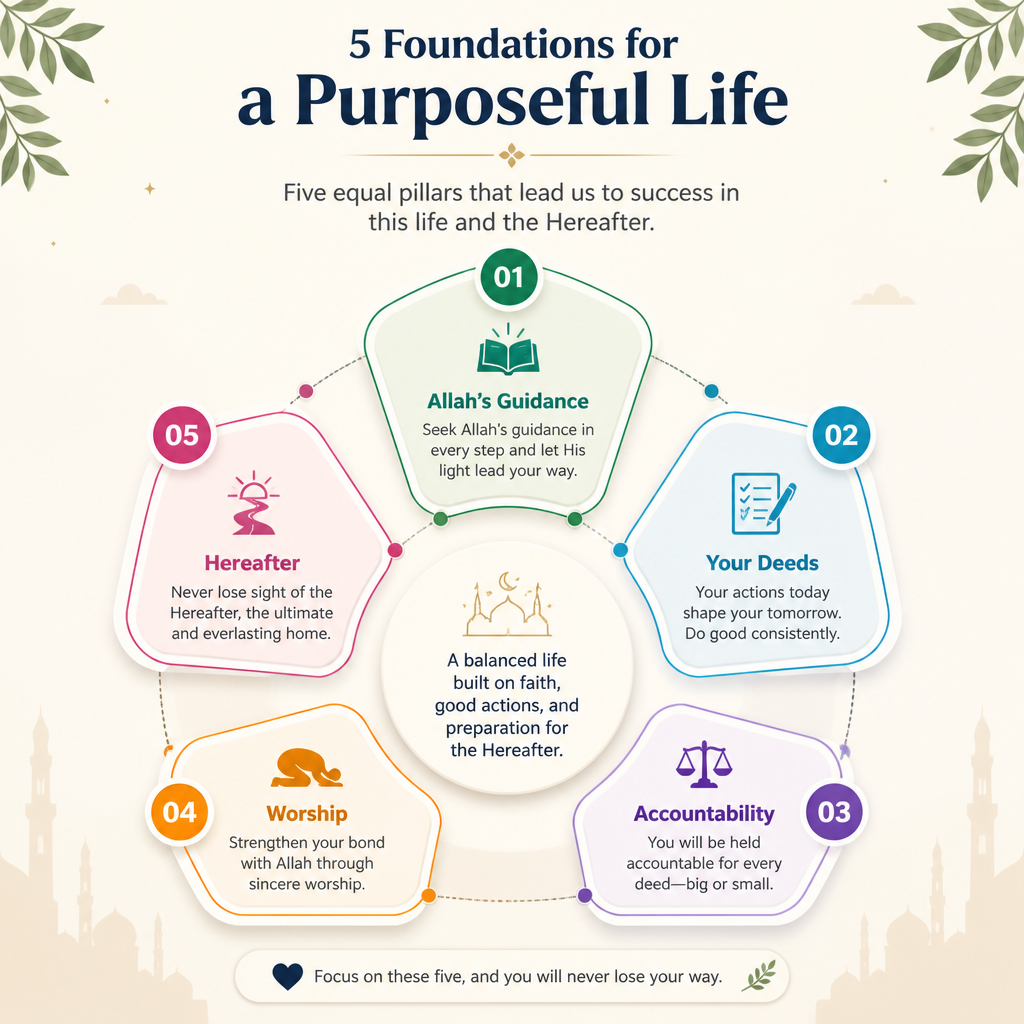
Islam teaches that human life is not random. Allah created us with intention, guidance, and a destination. You are not only living “for yourself,” and you are not only here to experience—your choices matter.
In Islamic understanding, life has a built-in structure:
- Allah’s guidance tells you why you exist.
- Your deeds show who you are becoming.
- Accountability ensures justice and meaning, even when the world appears unfair.
This is why purpose in Islam always includes both faith and action. Belief is not only what you claim; it is what you live.
3) Purpose in Islam at the core: worship of Allah—beyond rituals
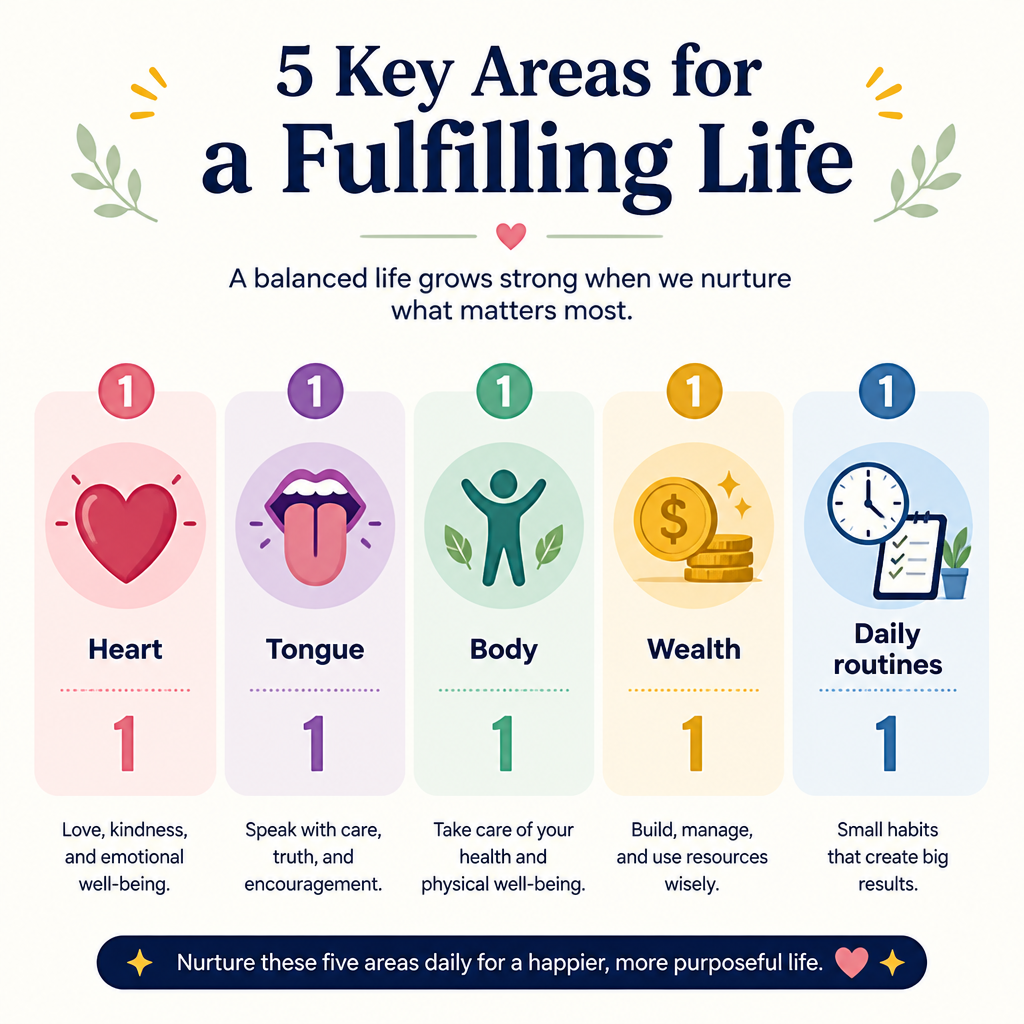
The central answer to purpose in Islam is worship of Allah. But worship in Islam is broader than formal prayer alone. It includes the whole life of a believer—heart, tongue, body, wealth, and intentions.
In other words, worship is not reduced to moments. It becomes a direction: every legitimate act done sincerely for Allah becomes part of your worship.
This is one reason Islam doesn’t leave believers stuck between “religion on Fridays” and “life on weekdays.” Islam integrates worship into the ordinary: working, studying, raising a family, keeping promises, feeding the hungry, speaking truth, and avoiding harm.
4) What worship really means: heart, words, actions, wealth, and daily routines
To understand meaning of life in Islam, it helps to see worship as a comprehensive lifestyle. Here are key dimensions:
a) The heart: intention, love, and sincerity
Worship begins inside. Your intention shapes your deeds. Islam trains the heart to love Allah, trust Him, and remain honest even when nobody is watching.
b) The tongue: gratitude, truth, and remembrance
Words matter. Remembering Allah, speaking truth, making dhikr, and avoiding backbiting all become part of worship.
c) The body: obedience and righteous effort
Your limbs do more than move—they can serve Allah through kindness, discipline, prayer, and striving for what is lawful.
d) Wealth: responsibility, justice, and generosity
Islam sees wealth as a trust. Using it responsibly—helping others, paying zakah, and avoiding injustice—aligns your life with divine purpose.
e) Daily routines: turning habits into worship
One of Islam’s greatest practical teachings is that your daily life can be meaningful. When you act with sincerity—seeking halal provision, caring for family, studying to benefit people—your routines can become worship.
5) Life as a test: choosing deeds that shape the Hereafter
Islam doesn’t deny that the world includes pleasure and achievement. But it insists that this world is a test. That test includes good times and hard times, ease and hardship, health and illness.
Life as a test means:
- Actions matter, not just intentions alone (though intentions are crucial).
- Trials reveal character—who you become when life is difficult.
- Justice is real—the Hereafter completes what the world may fail to balance.
When you understand the test, you stop asking, “Why did this happen to me?” in a way that only breeds frustration. You begin asking, “What should I learn? How should I respond rightly?”
6) Balanced living: duties to Allah, self, and others
Purpose in Islam is not a narrow lifestyle that only focuses on one category of life. Islam calls for balance.
That balance includes three main responsibilities:
- Duties to Allah: prayer, remembrance, sincerity, and obedience.
- Duties to yourself: maintaining your wellbeing, seeking lawful provision, and protecting your mind and faith.
- Duties to others: fairness, compassion, helping, speaking with integrity, and avoiding harm.
This is how Islam produces sustainable purpose: it protects the soul without neglecting humanity.
7) Seeking knowledge and serving people: purpose through learning and benefit
Islam treats knowledge as a path to both worship and service. Learning deepens understanding of Allah and improves your ability to live rightly. But knowledge is not meant to become only an intellectual hobby—it becomes a tool to benefit others.
Purpose becomes visible when your learning turns into:
- Better worship (you pray correctly, understand Qur’an better, avoid misunderstandings).
- Better character (truthfulness, patience, self-control).
- Better service (teaching, counseling, volunteering, practical help).
When you live this way, you start to feel the difference: your days are not random. They carry direction.
8) Preparation for the Hereafter: hope, sincerity, and moral clarity
Islam offers hope without denial. The Hereafter gives final meaning to life. It also transforms moral decisions—because you remember that nothing is wasted and nothing is hidden.
Preparing for the Hereafter includes:
- Sincerity: doing deeds for Allah, not for applause.
- Accountability: reviewing your actions and asking Allah for forgiveness.
- Moral clarity: choosing what is right even when it is difficult.
- Hope: not despairing of Allah’s mercy.
Purpose in Islam therefore does not crush the heart—it strengthens it. It makes your faith steady and your character purposeful.
9) Islam’s perspective on happiness and fulfillment: inner peace over material success
One common source of confusion is the belief that happiness equals material expansion. Islam acknowledges that worldly blessings matter. But it insists they are not the final answer.
Real fulfillment comes from alignment:
- living with gratitude,
- seeking Allah’s pleasure,
- building a heart that trusts, and
- making your choices consistent with your values.
When your actions have meaning, your heart becomes resilient. You can still face stress and grief—but you do not lose direction.
10) Common misconceptions about purpose in Islam (e.g., success ≠ meaning)
Let’s address some misconceptions about meaning of life Islam and purpose in Islam:
Misconception 1: “Purpose is only rituals.”
Rituals are essential, but worship includes intentions, ethics, and lawful daily action.
Misconception 2: “If I am successful, I must be fulfilled.”
Success can be a blessing or a test. Fulfillment depends on sincerity, gratitude, and right use of blessings.
Misconception 3: “Purpose is only for scholars or very religious people.”
Every Muslim can live with purpose—through honest work, family responsibility, charity, self-control, and worship with sincerity.
Misconception 4: “Purpose means having no struggles.”
Struggles are part of the test. Purpose is how you respond: with patience, prayer, and moral integrity.
11) Practical steps to live Islam with purpose every day
If you want to turn these ideas into lived reality, start with simple steps. Here is a practical approach you can begin today:
Step 1: Reconnect with intention (niyyah)
Before key actions—studying, working, caring for family—silently ask: “How can I do this for Allah?”
Step 2: Strengthen your core worship
Commit to consistent prayer and Qur’an connection. Even small consistency builds purpose.
Step 3: Make your ethics visible
Choose one moral improvement and practice it daily: truthfulness, kindness, avoiding backbiting, or keeping promises.
Step 4: Seek knowledge with a clear goal
Don’t only collect information. Pick one topic and learn it to apply it—improving your prayer, understanding the Qur’an, or learning how to better serve others.
Step 5: Add service (even small service)
Service is purpose in action. It could be helping a neighbor, supporting someone financially when you can, volunteering, or guiding a person with gentle advice.
Step 6: Use time intentionally
Plan your day with the reminder that time is a trust. Add moments for dhikr and reflection.
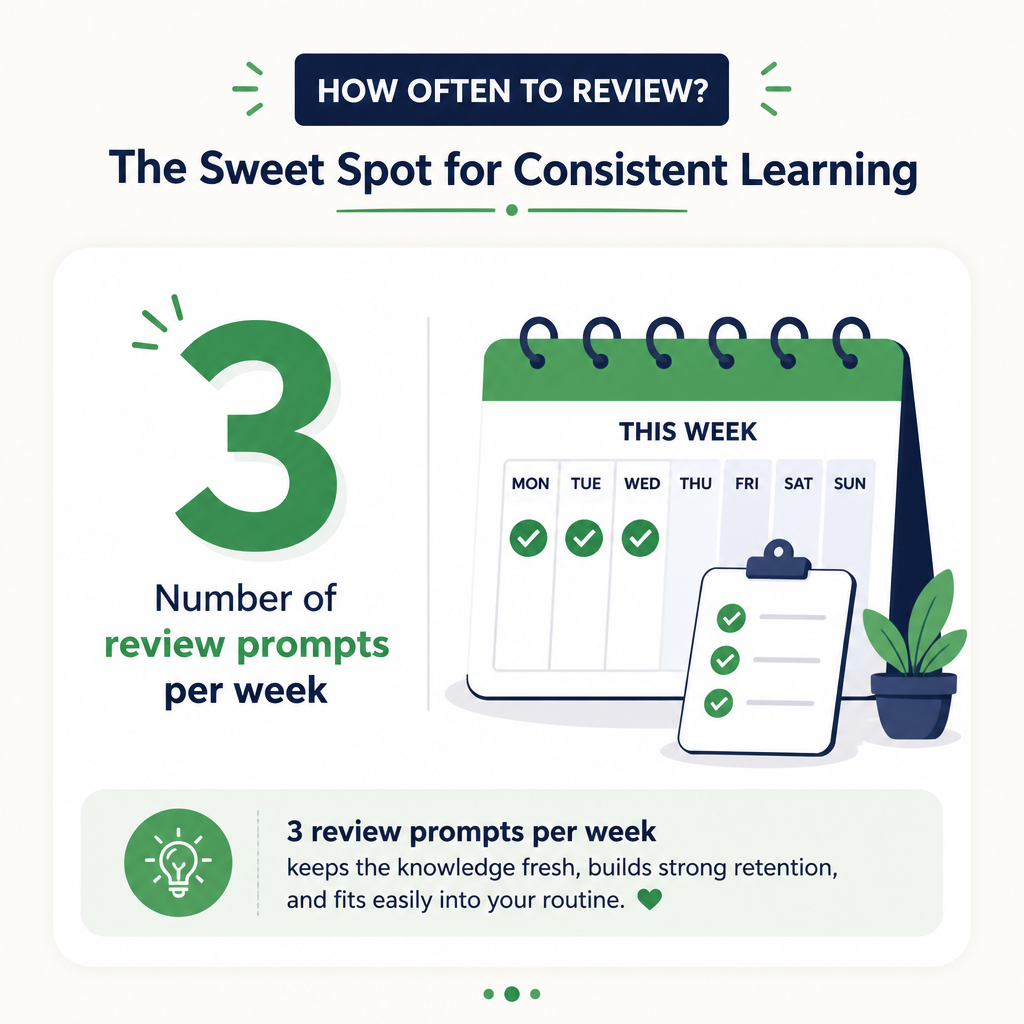
Step 7: Review your week, not just your emotions
At the end of each week, ask:
- What deeds brought me closer to Allah?
- Where did I fall short?
- What small change will I make next week?
12) Conclusion: one purpose, lived daily
The purpose in Islam is not hidden behind complexity. Islam teaches that your life has meaning because Allah created you for worship, guidance, accountability, and the Hereafter. The meaning of life in Islam becomes real when you live with intention—turning daily routines into worship, using blessings responsibly, and choosing deeds that shape your eternal future.
When you live Islam with purpose, your heart finds direction. Your efforts gain weight. And even ordinary days become filled with significance—because every sincere act becomes part of your journey back to Allah.