Islamophobia: Reality, Muslim Discrimination Impacts, and How to Respond—A Evidence-Based Guide
“The difficulty of explaining ‘why I am concerned’ is that there are many reasons…”—the same spirit applies here. People often ask for a single explanation for Islamophobia, but the problem is bigger than one narrative. It shows up in policies, media patterns, workplaces, schools, and everyday social treatment. And the effects are not abstract: they touch mental health, safety, and public health.
This guide uses research to explain what islamophobia is, how muslim discrimination operates in real life, what harm it causes, and—most importantly—what kinds of response actually help.
1) Introduction: Naming the problem—what is islamophobia?
Islamophobia is more than dislike or misunderstanding. It refers to prejudice, bias, and discrimination directed toward Muslims (and, often, toward people perceived as Muslim, Arab, Middle Eastern, or South Asian). It can appear as hostility, stereotyping, dehumanization, or denial of basic dignity and rights.
Crucially, islamophobia is not only interpersonal (“someone was rude”). It can also be institutional (“rules and systems produce unequal treatment”), and it can become normalized through media narratives and political rhetoric.
2) Islamophobia as a pervasive, systemic reality
When people think of discrimination, they may imagine isolated incidents. Research suggests a different picture: anti-Muslim bias is pervasive and systemic.
What tracking and polling show
Studies that track anti-Muslim discrimination over time show sustained patterns. For example, ISPU’s research highlights that anti-Muslim discrimination has remained consistently high since 2016, based on survey data collected through tools such as the American Muslim Poll.
Key quantitative finding: 62% of Muslim Americans report experiencing discrimination.
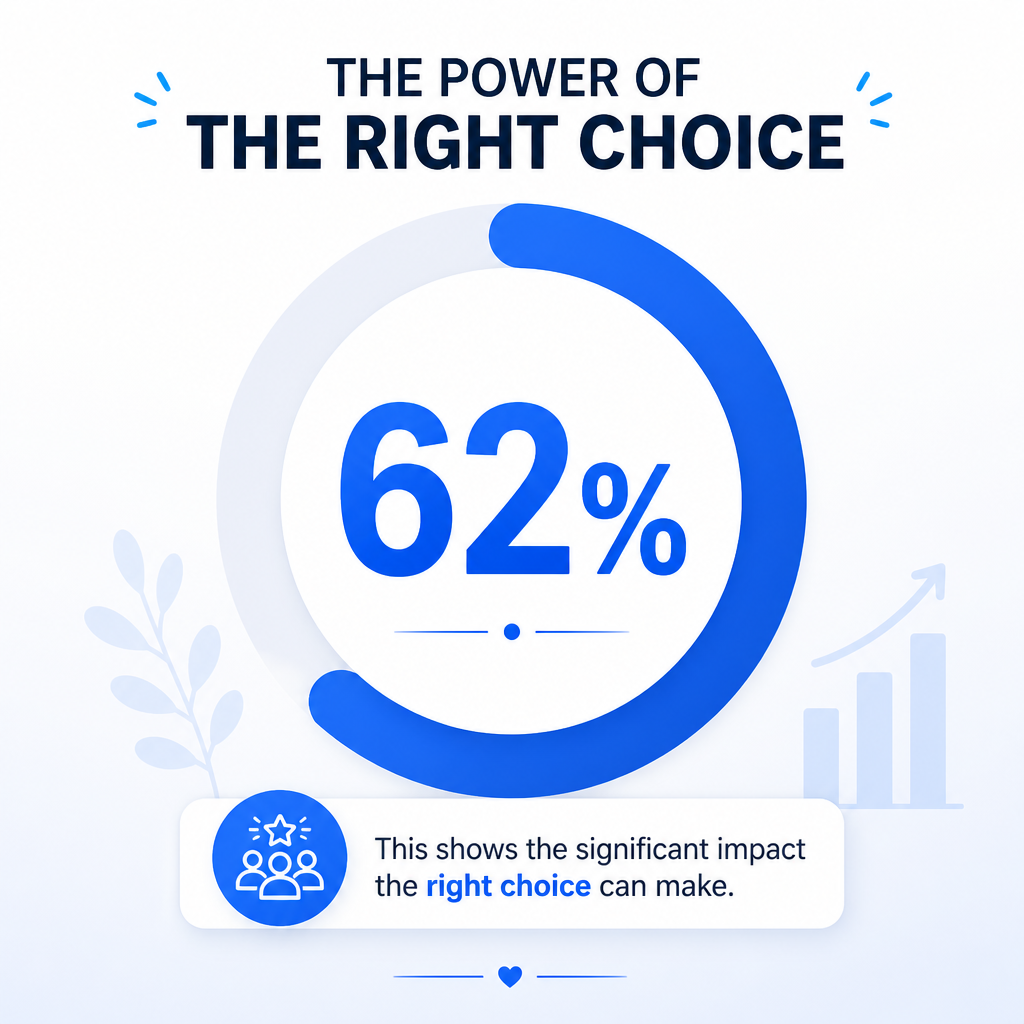
This matters because it reframes islamophobia as a recurring social reality—not a “few bad apples.”
3) What islamophobia looks like in everyday life (muslim discrimination)
Muslim discrimination tends to show up as a pattern of social exclusion, persistent stereotypes, and occasional or repeated hostility. It is often experienced in ordinary places: classrooms, break rooms, shopping lines, workplaces, and community events.
Social exclusion, stereotypes, and hostility
In practice, islamophobia can involve:
- Assumptions of threat (“They must support something harmful.”)
- Being treated as perpetually foreign, even when someone was born and raised locally
- Pressure to “prove innocence” instead of being treated with baseline trust
- Harassment or humiliation in public settings
- Microaggressions—small comments or behaviors that communicate exclusion or suspicion
School, workplace, and community experiences
Bias can affect youth in classrooms (bullying, stereotyping, disciplinary bias), adults at work (unfair evaluations, “culture fit” discrimination, exclusion from opportunities), and community life (reduced safety, reduced participation).
Even when incidents are not physically violent, the cumulative weight of being stereotyped can be exhausting—and can shape how safe people feel in their own neighborhoods.
4) The harm: from attitudes to actions
Islamophobia does not stay at the level of opinion. Research links negative attitudes to real-world incidents, including harassment and hate crimes.
Hate crime and hate group escalation after 2015
After major global events in the mid-2010s, psychologists and researchers documented increases in anti-Muslim incidents and organized hate activity.
APA-reported findings:
- 67% increase in anti-Muslim incidents in 2015
- Anti-Muslim hate groups increased from 34 to 101 (about a 197% increase) from 2015–2016
- More than 50% of Muslim students reported bullying—about twice the national average
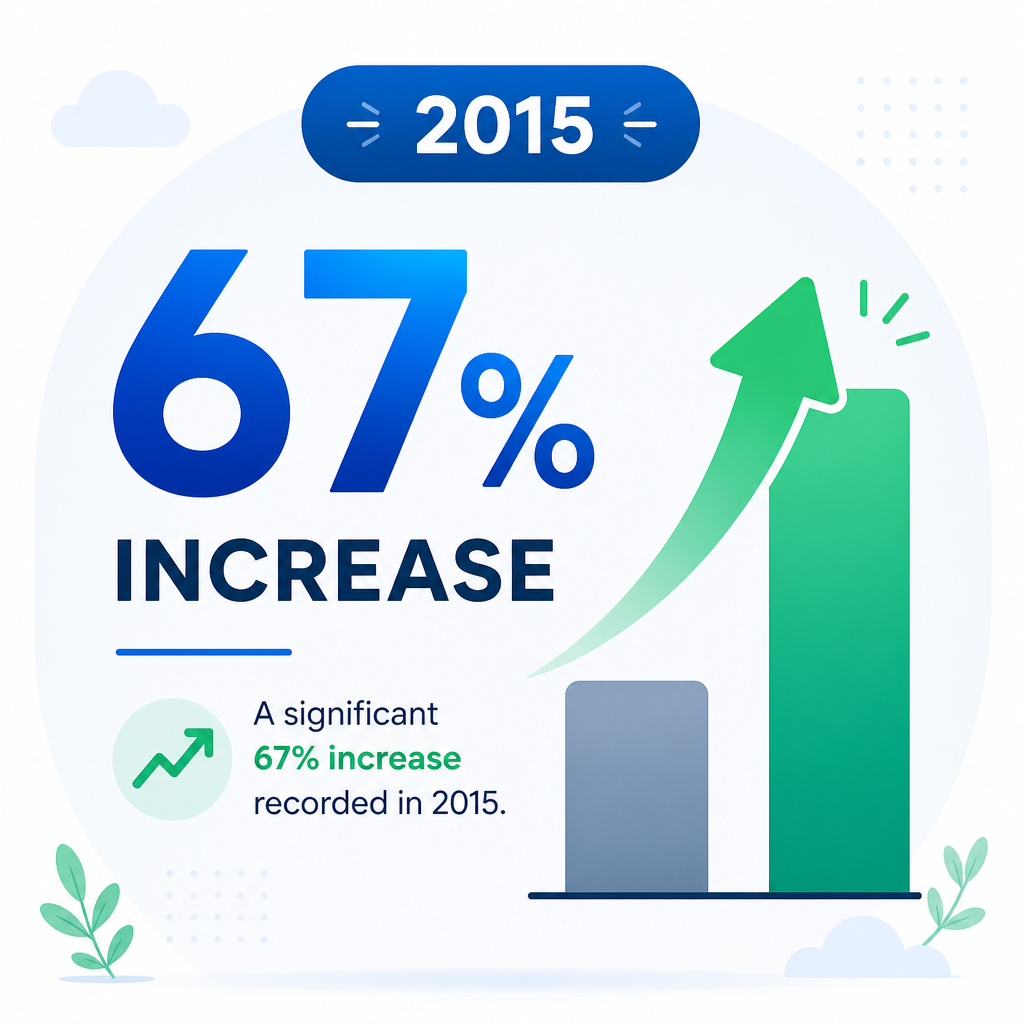
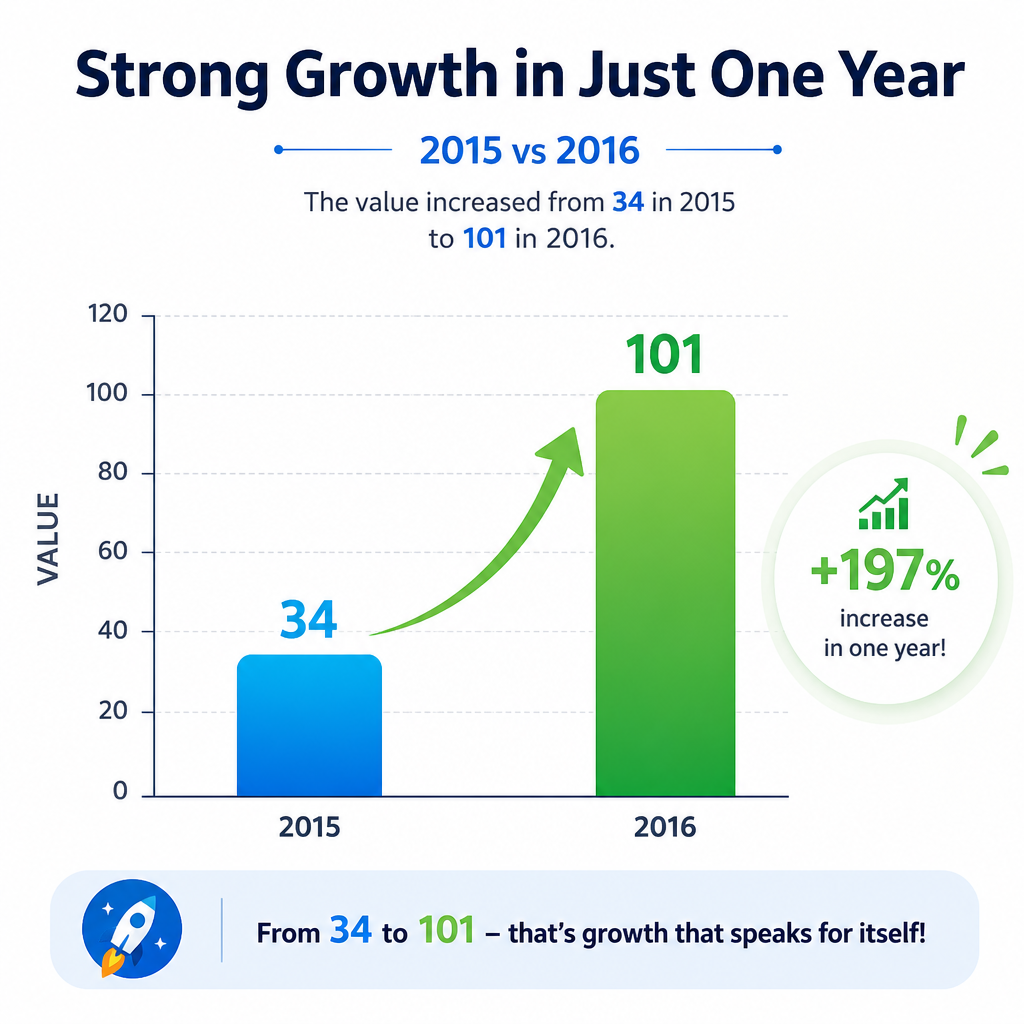
These numbers show how quickly prejudice can move from cultural narratives into dangerous behavior.
Mental health effects: stigma, barriers to care, and stress
Islamophobia also harms mental health, often through ongoing stress, stigma, and reluctance to seek support. When people experience discrimination, they may anticipate judgment from others—including healthcare providers—leading to delays or avoidance of treatment.
At the societal level, repeated negative portrayals of Muslims can make it harder for bystanders to intervene appropriately and can normalize suspicion.
5) Islamophobia and public health disparities
Public health research emphasizes that discrimination can create measurable health disparities, not only through one dramatic event but through everyday stress and structural barriers.
Discrimination pathways: stress reactivity, isolation, structural barriers
A public health analysis in the Proceedings of the National Academy of Sciences / PMC-indexed literature (via PubMed Central) describes multiple pathways through which stigma and discrimination can affect health:
- Stress reactivity (the body’s stress response becomes more frequent or intense)
- Social isolation (reduced participation, fewer supportive networks)
- Structural barriers (policies and institutional practices that limit fair access and safety)
Connections to anxiety, depression, and cardiovascular risk
Research also links discrimination with higher risks for anxiety and depression, and with cardiovascular-related outcomes through chronic stress.
In other words, islamophobia is not only a “social issue.” It is a health equity issue.
And because Muslims are a growing population—estimated in some public health discussions to reach about 3.3 million in the U.S. and become the second-largest faith by 2050—the long-term consequences extend far beyond any single community.
6) Why it matters beyond one community
Islamophobia harms Muslim communities directly. But it also undermines society’s shared values and stability.
- Social cohesion weakens when trust erodes across groups.
- Civic trust declines when people believe institutions won’t protect them.
- Democratic participation can shrink when entire communities feel unsafe or unwelcome.
- Everyone pays—because societies where people are targeted by identity are less resilient and more prone to conflict.
7) Response: what actually helps (practical actions)
Awareness is not enough. Response has to be practical, accountable, and evidence-based.
A) Individual actions: challenge microaggressions and use factual human stories
If you hear stereotypes or exclusionary comments, consider responding in a calm, direct way:
- Name the pattern: “That’s a stereotype about Muslims.”
- Redirect to facts and individual dignity: “Most Muslims are just people trying to live normal lives.”
- Ask a clarifying question: “What makes you think that?”
- Offer alternative narratives: highlight diverse Muslim experiences and contributions
Many people avoid intervening because they worry about saying the wrong thing. But doing nothing also communicates permission.
B) Community actions: support Muslim-led initiatives and reporting channels
Communities can strengthen safety by supporting Muslim-led organizations, interfaith initiatives, and services that:
- Provide resources after incidents
- Help victims report and document events
- Offer legal, counseling, and advocacy support
- Train local leaders in respectful, effective engagement
Support matters both in “normal” times and when crises occur.
C) Workplace and school actions: policies, training, and accountable leadership
Organizations can reduce harm by moving from vague statements to concrete practices:
- Clear anti-discrimination policies with defined consequences
- Training that addresses stereotypes, microaggressions, and reporting procedures
- Accountability: leaders must respond consistently, not selectively
- Safe reporting options (without retaliation)
- Inclusive community standards for events, dress, and cultural accommodation
8) Evidence-informed prevention strategies
Some strategies have stronger research support than others. One example involves reducing bias through structured contact.
Imagined contact to reduce bias
Psychological research summarized by the APA indicates that interventions such as imagined contact—where individuals mentally envision positive, respectful interactions with members of a stigmatized group—can reduce prejudice.
This is not “magic.” It works by interrupting automatic stereotypes and helping people practice a different mental model of who Muslims are.
Combined with real-world accountability and policies, these approaches can shift both attitudes and behaviors.
9) Conclusion: Moving from awareness to accountable response
Islamophobia is not a hypothetical problem. Research shows it is pervasive, often systemic, and linked to discrimination, bullying, hate incidents, and health disparities.
But the same evidence also points to practical action:
- Challenge stereotypes and microaggressions
- Support Muslim-led community resources
- Strengthen workplace and school policies
- Use evidence-informed bias-reduction strategies like imagined contact
When response is timely and accountable, it protects people—and it protects the social fabric that makes everyone’s life safer.
Top References (Evidence Base)
-
ISPU — Islamophobia is Pervasive, Systemic, and a Threat to All (tracking anti-Muslim discrimination; survey findings including 62%).
https://ispu.org/research-areas/institutional-islamophobia/ -
APA — Islamophobia (documenting increases in incidents; interventions discussed).
https://www.apa.org/monitor/2017/04/islamophobia -
PMC (PubMed Central) — Islamophobia and Public Health in the United States (stigma/discrimination pathways to health disparities).
https://pmc.ncbi.nlm.nih.gov/articles/PMC5055770/