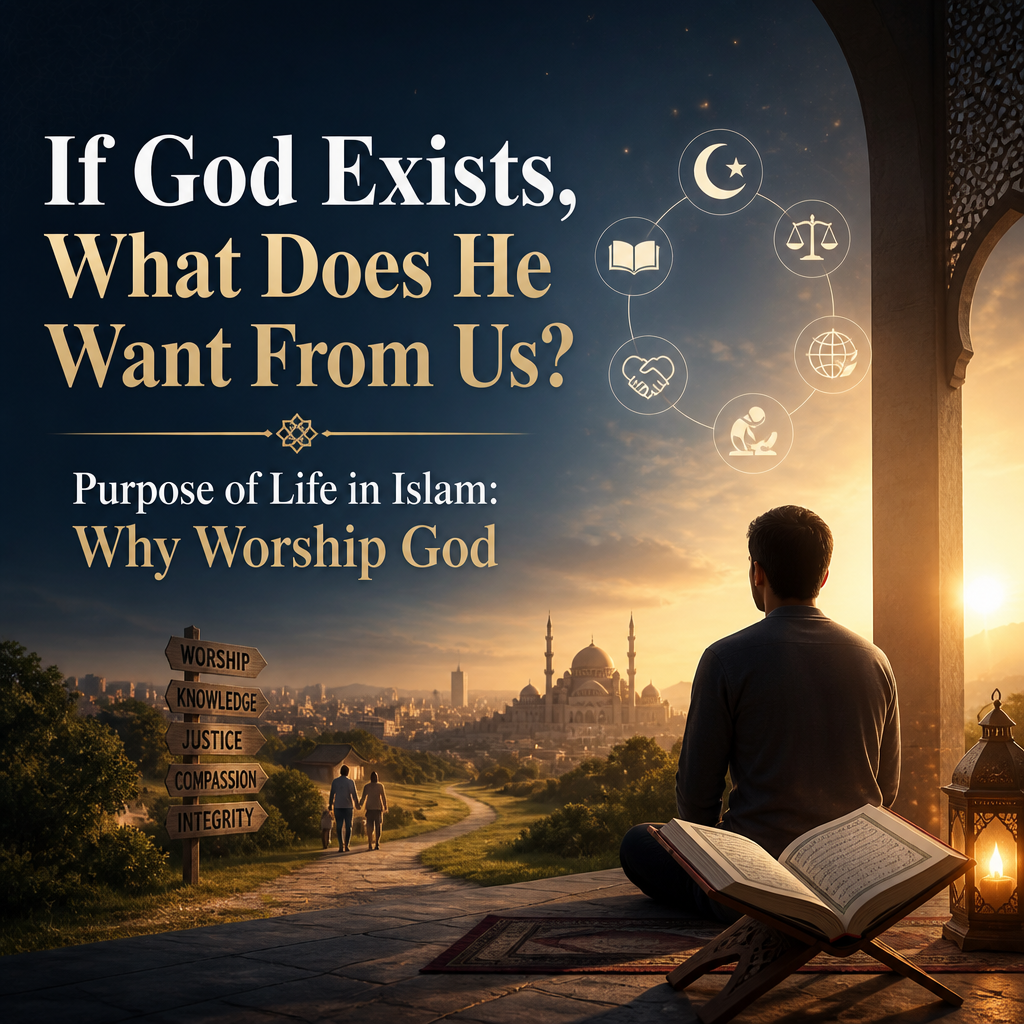
Introduction: The Question Behind Every Search
Every generation asks it. Every person, at least once, feels it: If God exists, what does He want from us? It’s the question behind religion, behind prayer, behind moral struggle, behind moments of gratitude and fear. In Islam, this question doesn’t lead to guesswork or vague spirituality. It leads to a clear purpose and a practical way of living.
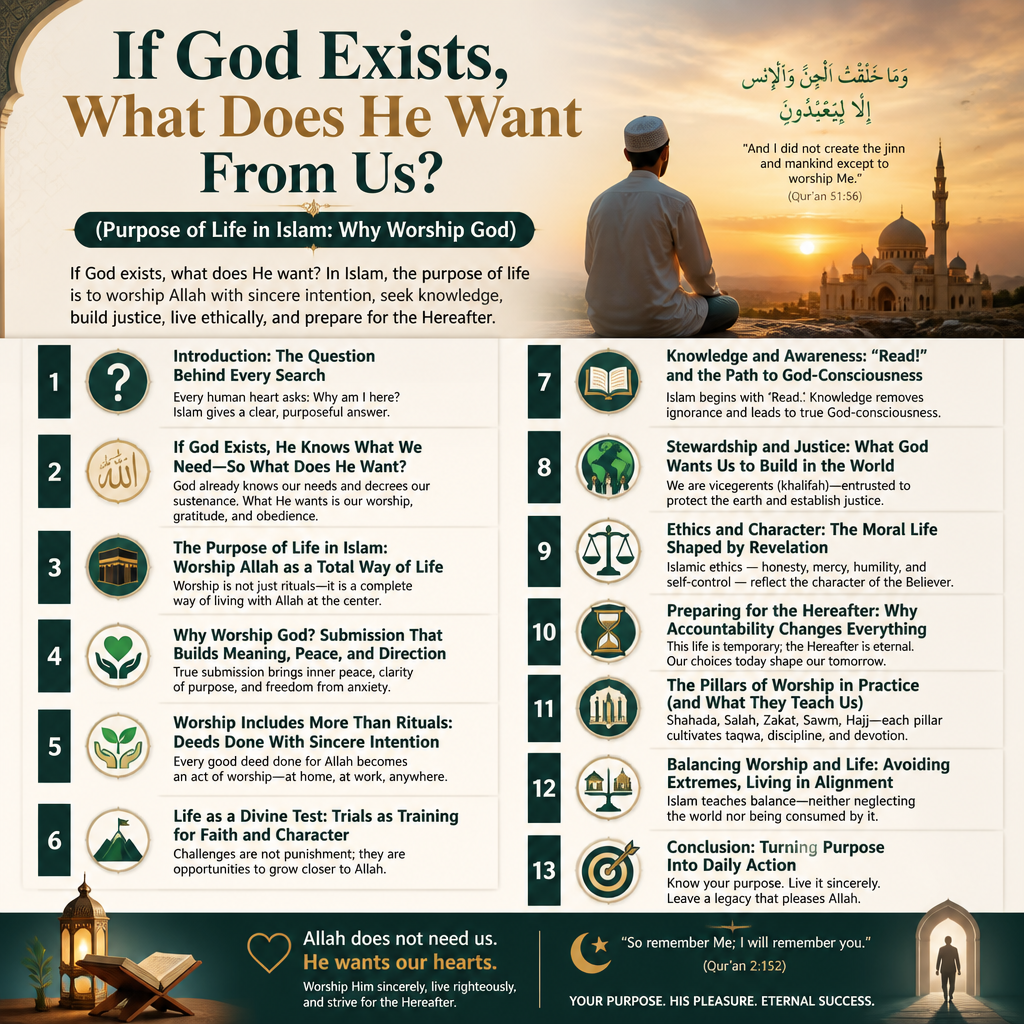
In this article, we’ll explore the purpose of life islam through one central idea: why worship god—not only as ritual, but as a complete direction for life.
If God Exists, He Knows What We Need—So What Does He Want?
Belief in God isn’t just about acknowledging a Creator from far away. In Islam, Allah created human beings with needs—spiritual needs, moral needs, and a need for meaning that doesn’t dissolve when life becomes painful. Since He is Wise and All-Knowing, what He asks from us should not be random. It should fit our nature and guide us toward what benefits us most.
Islam frames God’s desire as both mercy and clarity: Allah sent guidance so humans can worship correctly, live rightly, and prepare for the only truly permanent home—the Hereafter.
The Purpose of Life in Islam: Worship Allah as a Total Way of Life
When Islam answers “What does God want from us?”, it starts with a foundation so direct it reshapes everything else:
- Purpose: Worship Allah.
- Scope: Worship is not limited to worship services; it’s a worldview.
- Outcome: A life built on sincerity, obedience, and accountability.
In the Qur’an, Allah makes it unmistakably clear that our creation has a purpose. Worship in Islam (known as ’ibadah) includes rituals like prayer and fasting, but also expands into every good action done for Allah’s sake.
Key idea: Worship is how a human life becomes aligned with divine guidance—so every day carries meaning, not just religious events.
Why Worship God? Submission That Builds Meaning, Peace, and Direction
It’s easy to ask, “Why would God need worship?” Islam’s answer flips the question. God does not benefit from our acts. We worship because we benefit from becoming the kind of beings Allah created us to be.
When a person genuinely worships Allah:
- he finds inner peace through remembrance and surrender;
- he gains direction when life feels confusing;
- he develops moral consistency because his life is accountable to God;
- he stops treating the world as the final destination.
That’s why “why worship god” in Islam isn’t only about obedience—it’s about liberation from meaninglessness.
Worship Includes More Than Rituals: Deeds Done With Sincere Intention
Many people assume worship is only what happens in the mosque. Islam teaches something broader: any lawful deed can become worship when the intention is sincere and the action follows divine guidance.
This prevents two extremes:
- Religious compartmentalization (“God gets my prayers, the world gets everything else”).
- Religious confusion (“Anything goes as long as it feels spiritual”).
Islam connects worship to intention and guidance. If the action is done for Allah, guided by the Qur’an and Sunnah, it can become part of a worshipful life.
Life as a Divine Test: Trials as Training for Faith and Character
Islam doesn’t deny that life involves hardship. But it provides a crucial interpretation: life is a test. Trials aren’t meaningless interruptions; they’re training.
When you understand life as a divine test, suffering changes shape:
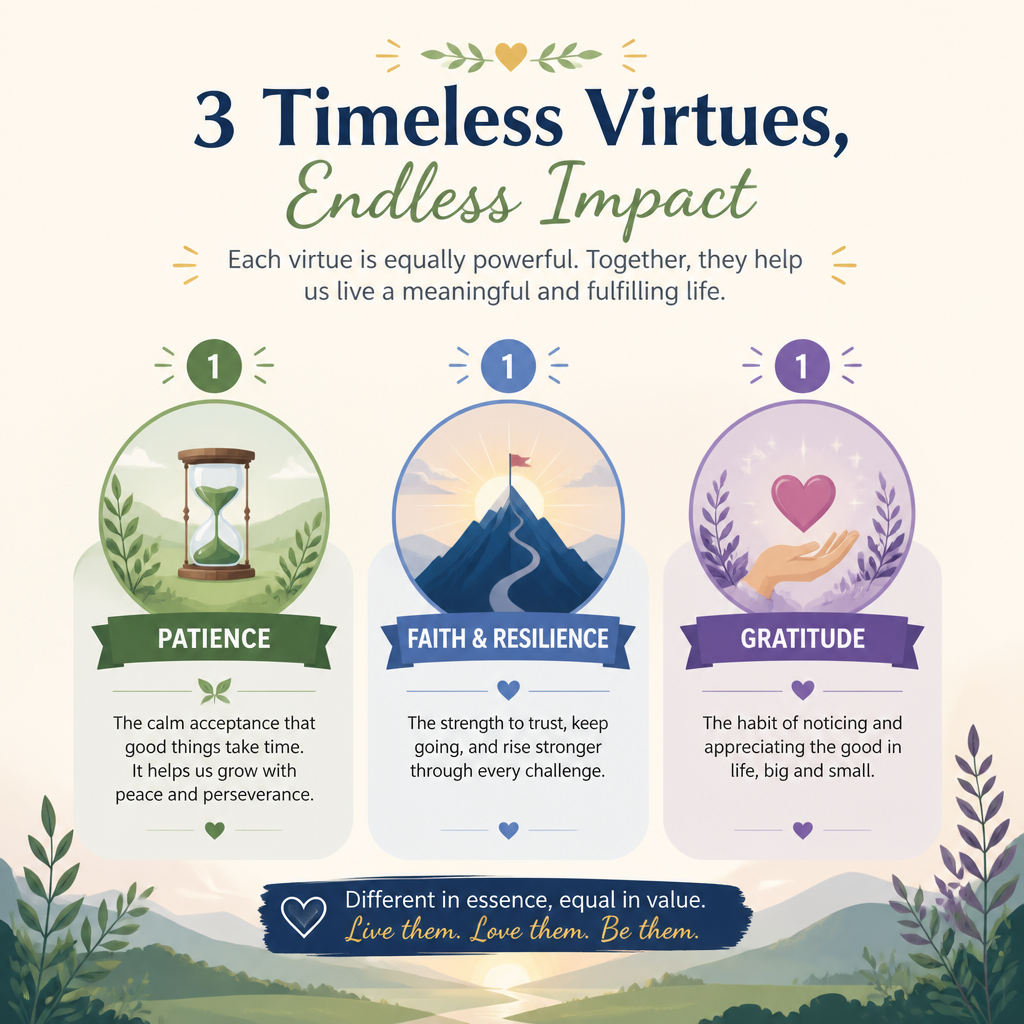
- Patience becomes purposeful, not passive.
- Faith becomes stronger through resilience.
- Gratitude becomes deliberate, not accidental.
Even difficult seasons can become the tools through which God refines character—turning worship into something lived, not merely recited.
Knowledge and Awareness: “Read!” and the Path to God-Consciousness
Another essential part of the purpose of life islam is knowledge. In Islam, worship without understanding can become shallow, and understanding without humility can become pride.
That’s why the Qur’an’s message to humanity begins with learning. Seeking knowledge helps a person:
- understand Allah’s commands with clarity;
- avoid worship done incorrectly;
- build God-consciousness (taqwa);
- apply faith to real life with wisdom.
God wants us to know Him—through revelation, reflection, and lived practice.
Stewardship and Justice: What God Wants Us to Build in the World
Worship in Islam is not only about personal spirituality. Humans are also entrusted with responsibility. Islam teaches that we are stewards of the world—called to uphold justice, improve society, and care for what has been placed in our hands.
So when Islam asks, “What does God want from us?”, the answer includes the world we leave behind:
- justice in dealing with others;
- mercy toward the vulnerable;
- honesty and trustworthiness;
- constructive work rather than destructive greed.
In this way, worship becomes both vertical (relationship with Allah) and horizontal (responsibility toward people).
Ethics and Character: The Moral Life Shaped by Revelation
Islam doesn’t treat faith as “feelings only.” God-centered worship should produce ethical behavior. In Islam, the best sign that a person is worshiping Allah is that his character becomes a reflection of divine guidance.
That means:
- truthfulness over lying;
- patience over rage;
- humility over arrogance;
- respect over exploitation;
- self-control over temptation.
Worship shapes a person from the inside out—so devotion is visible in how you speak, how you earn, how you forgive, and how you treat those who cannot repay you.
Preparing for the Hereafter: Why Accountability Changes Everything
Perhaps the strongest reason Islam emphasizes worship is the reality of accountability. This world is temporary. Human beings will be judged for what they did with the guidance given to them.
When accountability is real, it changes priorities:
- small sins feel dangerous, not trivial;
- good deeds feel meaningful, not symbolic;
- intentions matter as much as actions;
- life becomes a journey, not a dead end.
Islam’s vision is that worship prepares you for the Hereafter—not through fear alone, but through alignment with God’s pleasure.
The Pillars of Worship in Practice (and What They Teach Us)
Islam anchors worship through core practices known as the pillars. These acts don’t only fulfill obligation—they train the heart, strengthen discipline, and build a community of believers.
- Shahada: Declaring God’s oneness builds your worldview.
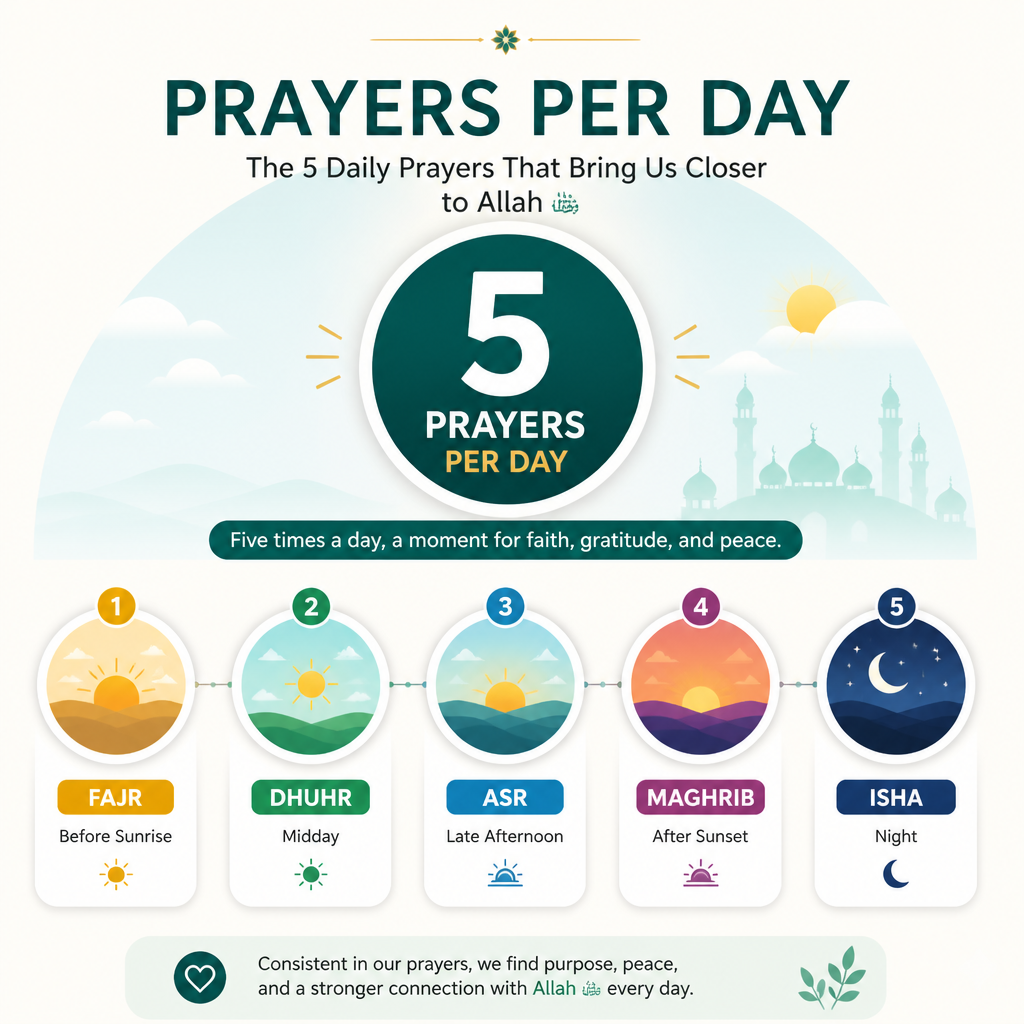
- Prayer (Salah): Five times a day renews connection and prevents spiritual drift.
- Zakat: Purifies wealth and reduces inequality.
- Fasting (Sawm): Builds self-control and empathy, especially for the hungry.
- Hajj: For those able, it reflects unity, sacrifice, and spiritual renewal.
Taken together, these pillars teach that worship is not an occasional event—it’s the foundation of a meaningful life.
Balancing Worship and Life: Avoiding Extremes, Living in Alignment
One of Islam’s most practical teachings is balance. Islam does not ask people to escape life into isolation. It encourages faith that engages the world correctly.
Worship is meant to:
- fuel your work with sincerity,
- guide your decisions by ethics,
- protect your heart from obsession with status and wealth,
- keep your goal bigger than temporary wins.
So yes—Islam calls you to worship. But it also invites you to live fully: study, work, support your family, and contribute to society while keeping God at the center.
Conclusion: Turning Purpose Into Daily Action
If God exists, Islam teaches that He wants something simple and profound: worship Allah with sincerity, and live in a way that reflects divine guidance. The purpose of life islam is not merely to believe—it’s to align your intentions, actions, character, and direction with God’s message.
And if you’re wondering why worship god, Islam’s answer becomes clear: worship gives meaning, builds peace, shapes morals, and prepares you for the Hereafter.
Turning purpose into action: start small—renew your intention, learn the basics of worship, commit to your prayers, practice honesty and kindness daily, and let knowledge deepen your devotion. Purpose isn’t only something you discover; it’s something you live.