How the Qur’an Changes Lives: Quran Impact Through Miracles, Guidance Islam, and Real Transformations
The Qur’an is not only a book to read. For many people, it becomes an anchor—something that steadies a heart, reorganizes a life, and gradually replaces confusion with clarity. This is what “quran impact” looks like: not instant perfection, but enduring transformation rooted in miracles of the Qur’an you can feel in daily experience, and guidance islam that reshapes what you think, how you prioritize, and how you respond when life gets difficult.
1) Introduction: The Qur’an as a Life Anchor (Not Just a Book)
When people say, “The Qur’an changed my life,” they often mean more than inspiration. They mean their patterns of thinking changed. Their relationship with time changed. Their priorities changed. Even their goals changed—from chasing outcomes to learning how to trust Allah while doing their part.
Allah describes the Qur’an as guidance. And guidance, by definition, is not only information—it is direction. It moves you.
2) Quran Impact Starts with Encounter—A Single Moment, an Entire Direction
Many life-changing stories begin with one encounter: a verse heard at the right time, a page read with new attention, a recitation that felt addressed personally. Then something happens: doubt cracks. Fear loses its grip. A new rhythm enters the day.
2.1) When one verse breaks doubt
Imagine living with heavy questions: “What if I fail?” “What if I’m not enough?” “What if I try and still disappoint?” One person described how a single Qur’anic verse shared by a friend became a turning point. The verse didn’t remove effort—it removed the suffocating anxiety around outcomes.
The shift was not magical thinking; it was tawakkul—active trust. The Qur’an reframed the mind: do the work sincerely, ask Allah, and accept that results belong to Him. With that, fear transformed into peace.
2.2) From fear of failure to peace with tawakkul
That is among the most powerful miracles of the Qur’an—not fireworks, but inner alignment. A heart that used to spiral into negative thoughts begins to return to a more balanced center:
- Effort becomes purposeful rather than frantic.
- Prayer becomes clearer rather than performative.
- Progress becomes sustainable rather than all-or-nothing.
This is how quran impact often starts: a verse becomes a new lens. Life begins to look different through it.
3) Miracles of the Qur’an in Daily Experience
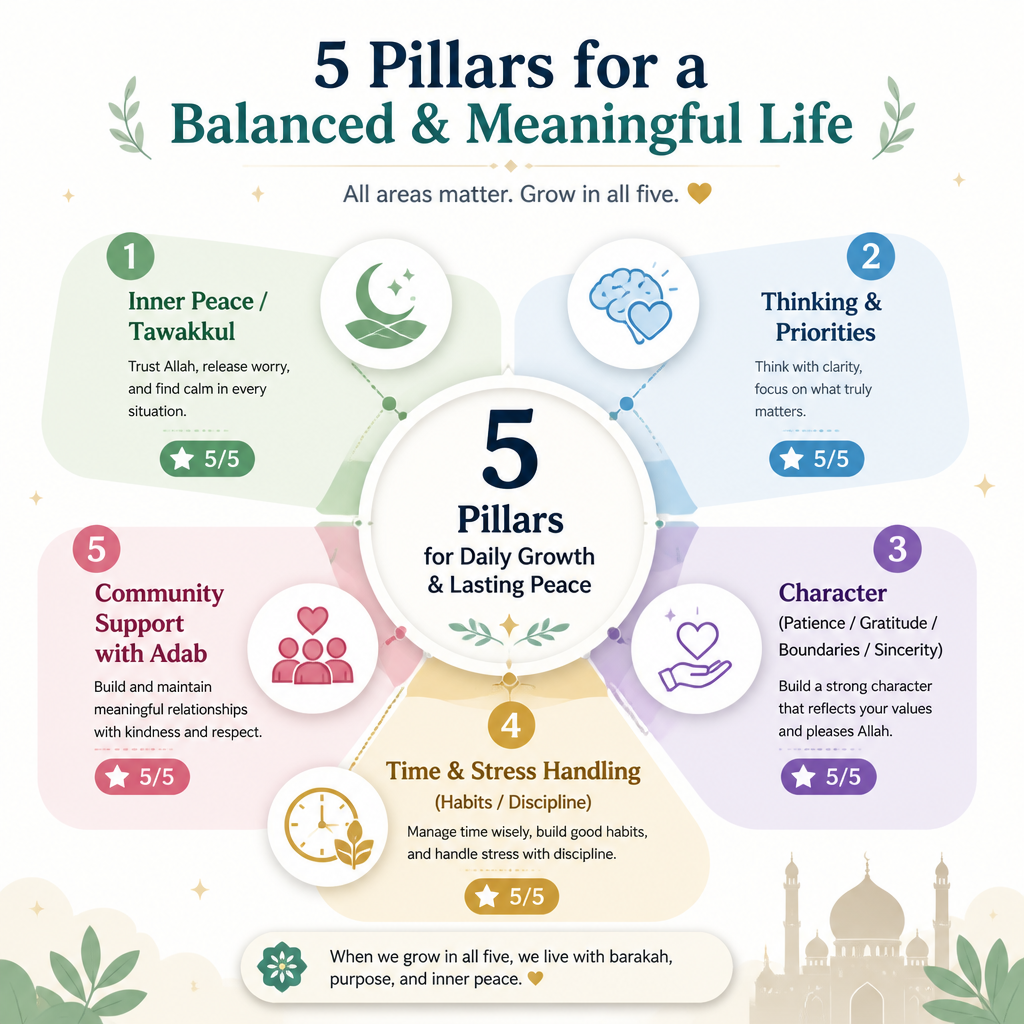
If transformation were only emotional, it would fade. But the Qur’an’s impact tends to show up in habits, character, and how a person handles time and stress.
3.1) Guidance that reshapes thinking and priorities
Guidance islam means the Qur’an doesn’t just tell you what to feel. It trains the mind to:
- think with intention (not impulse),
- act with consistency (not bursts),
- prioritize worship (not treat it as optional),
- interpret difficulty with meaning (not only as punishment or randomness).
Over time, those mental shifts become visible in real life—how you speak, how you manage conflict, how you respond to setbacks.
3.2) Change that shows up in character, not only feelings
One of the clearest proofs of Qur’an-driven change is character. People often notice:
- increased patience,
- greater gratitude,
- cleaner boundaries in speech,
- more sincerity in daily routines.
It’s not that a person becomes emotionless or “perfect.” It’s that the Qur’an provides a compass. When the compass points, the route improves—even if the journey includes turns.
4) Guidance Islam in Action: Turning Intention into Sustainable Habit
Many people begin with strong motivation and then struggle. The Qur’an’s impact helps by teaching a deeper principle: consistency is a form of worship.
4.1) Discipline through consistent practice
One story of memorizing the Qur’an described how traditional methods and community structure helped build lifelong discipline. The Qur’an became a training ground for time management:
- planning before Fajr,
- review connected to salah,
- evening recap and gratitude.
Notice the pattern: it’s not “wait until you feel ready.” It’s “build a system that works even when you don’t.”
4.2) The “show up daily” principle when motivation drops
Motivation will rise and fall. Routines carry you when motivation drops.
In the memorization journey, the key was daily showing up—especially when tired or uninspired. Participants described routines such as repeated reviewing after Fajr, evening recaps, and weekly full reviews to prevent confusion and forgetfulness. The result? A kind of sweetness and steadiness that wasn’t built on hype, but on repeatable faithfulness.
5) Learning and Memorizing as Life Restructuring (Hifz as a Training System)
Memorizing the Qur’an (hifz) is more than an educational goal. It can restructure a person’s life: their schedule, attention, priorities, and discipline. For some, it becomes the “anchor project” that keeps everything else in balance.
5.1) Structured repetition for long-term retention
In one account, a person memorized 18 Juz by committing to relentless daily review. The method focused on linking new portions with previous verses so recall stayed seamless—even during travel and adulthood.

That matters because many modern attempts fail not due to lack of love, but due to lack of structure. When revision is neglected, the Qur’an can feel like pages you “used to know” instead of verses that live with you.
5.2) Writing ayat for stronger recall (and deeper internalization)
Another practical detail emphasized the role of writing. Physically writing each ayah helped embed it across visual and kinesthetic memory. It reinforced recitation and deepened internalization—turning hearing into imprinting.
In other words, the Qur’an impact here is educational and spiritual at once: you don’t just memorize; you engrave.
5.3) Time management lessons: planning before Fajr, review in salah
Guidance islam becomes real when it affects your calendar. In that story, the memorization system taught:
- time planning before Fajr (starting the day with meaning),
- review connected to worship (not separated from it),
- evening recap (ending the day with reflection, not distraction).
And that doesn’t only improve hifz. It improves life.
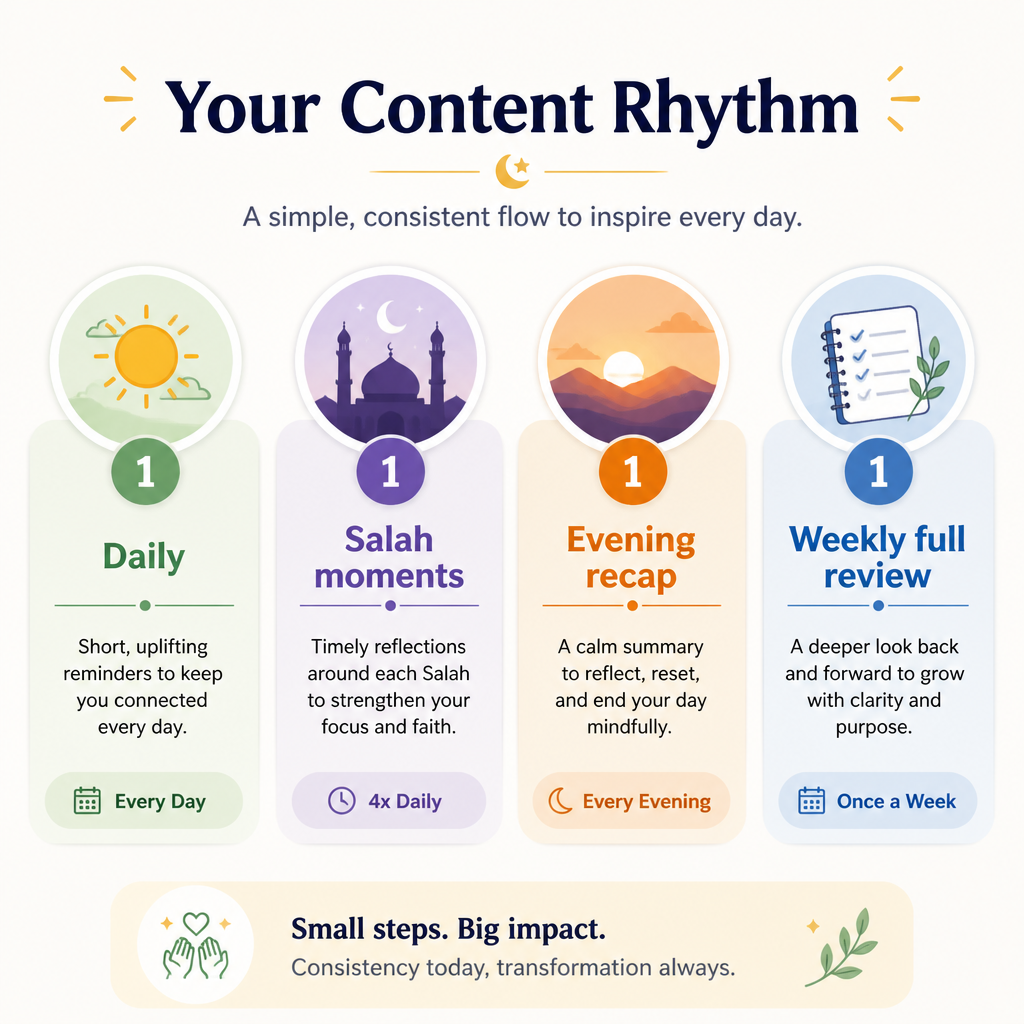
5.4) Practical daily/weekly review rhythm
While every learner’s journey differs, a shared theme emerged: consistent review prevents frustration. A typical approach includes:
- Daily: link new learning with prior portions; repeat regularly.
- Salah moments: use worship time to stabilize memorization.
- Evening recap: consolidate and reflect.
- Weekly full review: keep the Qur’an coherent in your mind.
Motivation matters—but structure protects you when motivation fades.
6) Real People, Real Diaries: What Qur’an-Driven Change Looks Like
One of the most encouraging aspects of Qur’an change is how common struggle can be. People face similar obstacles: tiring pages, difficult surahs, revision anxiety, and periods where progress feels slow.
Yet “slow” can still be “moving,” especially with the right plan and community support.
6.1) Retention stories: 18 Juz journeys and beyond
Accounts from the community describe multiple long-term journeys: memorizing large portions over time, completing specific ranges, and maintaining revision through busy seasons like Ramadan.
These diaries show that transformation is not always linear. Sometimes it’s an initial struggle for weeks, followed by gradual momentum when review habits finally click.
6.2) Revision and persistence during Ramadan and beyond
Ramadan can increase Qur’an attention—but it can also intensify revision pressure. The Qur’an impact here is resilience: learning to continue with steadiness rather than perfectionism.
When revision becomes consistent, a person often discovers something beautiful: the Qur’an isn’t only something you “work on.” It becomes something that holds you.
7) Building Community with Adab: Supporting Qur’an-Changed Lives Well
Qur’an transformation doesn’t happen in a vacuum. People need support. But support must come with adab—proper manners, sensitivity, and respect.
7.1) Why “how did you convert?” can be intrusive
Among converts, a common issue is how frequently people ask for conversion details—often immediately, sometimes repeatedly, and sometimes without a genuine relationship. While curiosity can be sincere, it may feel like emotional labor or unwanted probing.
Convert journeys are intimate: they involve God, searching, fear, hope, and personal turning points. Not everyone owes their story to strangers—even if the listener has good intentions.
7.2) How to ask without entitlement or emotional labor
A more respectful approach is rooted in friendship. Build rapport first. Share mutual realities. Offer help that continues after the headline moment of “embracing Islam.”
When asking questions, ask in ways that protect dignity:
- Wait until there’s trust and comfort.
- Avoid pressing for painful details about family reactions.
- Remember the goal is support, not extraction.
7.3) Protecting families and avoiding backbiting
Sometimes conversion conversations drift into criticism of parents or relatives. That can lead to backbiting—something Islam strongly warns against. It also violates the Qur’anic command to treat parents with kindness, even when relationships are complicated.
Good community doesn’t turn other people’s pain into entertainment. It protects their honor and encourages them gently.
7.4) Friendship that lasts beyond the headline moment
If the Qur’an changed your life, you know how real that change feels. So don’t stop at congratulations. Support means consistency: checking in, providing guidance, and helping someone integrate their new life with prayer, learning, and community.
That’s how guidance islam becomes practical: not only in verses, but in relationships.
8) Conclusion: Make Qur’an Your Lifetime Project
The Qur’an changes lives through quran impact: daily guidance, inner peace, disciplined habits, and community shaped by adab. Sometimes the change begins with one verse that breaks doubt. Sometimes it grows through memorization routines—like structured revision, writing ayat, and time planning that reshapes the entire day.
8.1) Start small: one verse, one habit, one review plan
If you want Qur’an-driven transformation, start where you are:
- Begin with one verse you can understand and apply.
- Build one habit you can keep (consistent recitation or review).
- Create one plan for repetition so knowledge stays alive.
8.2) Let guidance islam transform your routine, heart, and choices
Don’t wait for “perfect motivation.” Let the Qur’an train your motivation through action. Keep going. Ask Allah for steadiness. And remember: real change is often quieter than we expect, but it becomes unmistakable over time.
Ultimately, the Qur’an isn’t only something you pass through. It’s something you live with.
If you’d like, share your own story in the comments—what moment, verse, or habit showed you how the Qur’an changes lives?