Building a Confident Muslim Identity: Practical Ways to Feel Proud, Resilient, and Secure in Your Faith
Building a confident muslim identity is not about loudness, winning arguments, or pretending life is easy. It’s about having a stable inner “home” inside Islam—so that when culture shifts, friends pressure, or bias shows up, you can remain grounded, clear, and calm.
Especially in the West, identity can feel like a tug-of-war: your faith is real, but the surrounding messages about “belonging,” “normal,” or “successful” may not make room for you. The good news is that a confident identity can be built—intentionally, lovingly, and with Allah’s help.
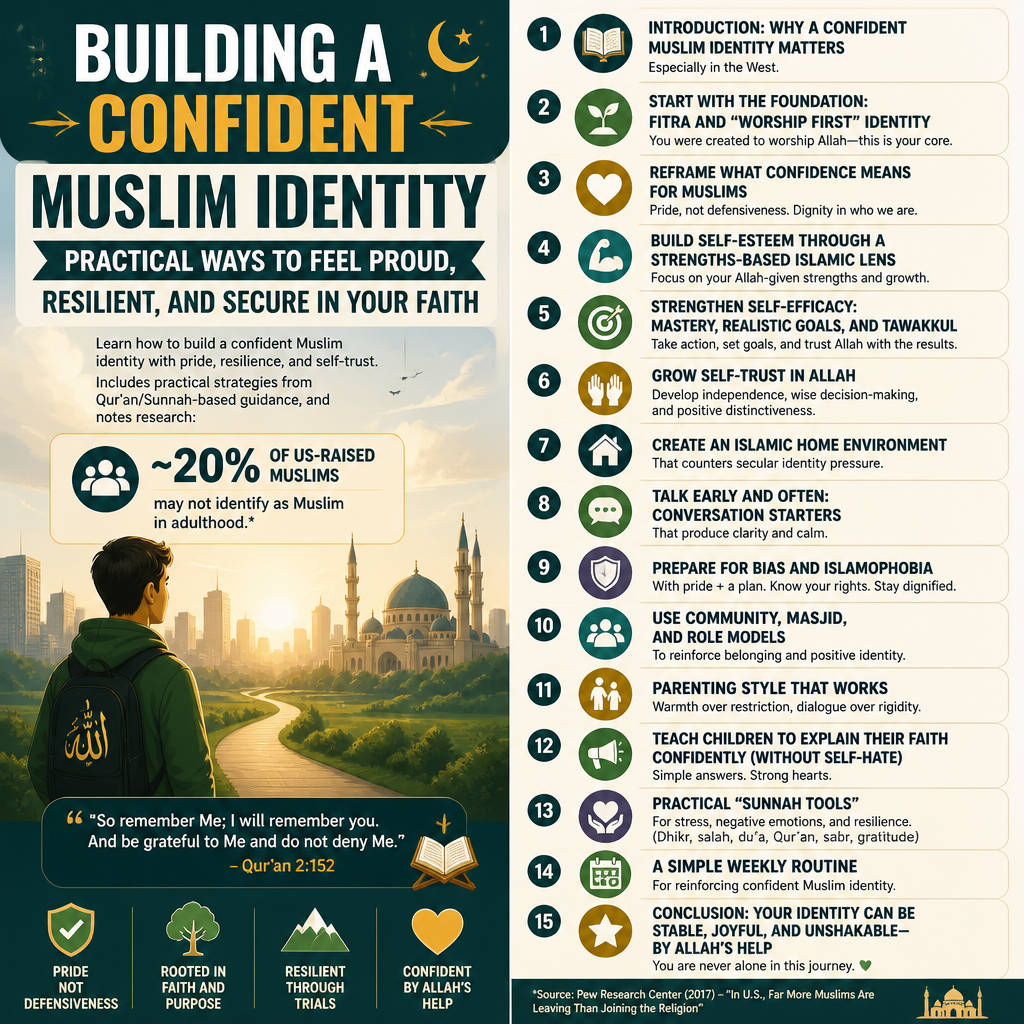
1) Why a Confident Muslim Identity Matters (Especially in the West)
Research and community observations consistently show that Muslim youth who feel secure in who they are tend to handle stress, uncertainty, and discrimination better. Identity is not a decoration; it’s a protective factor.
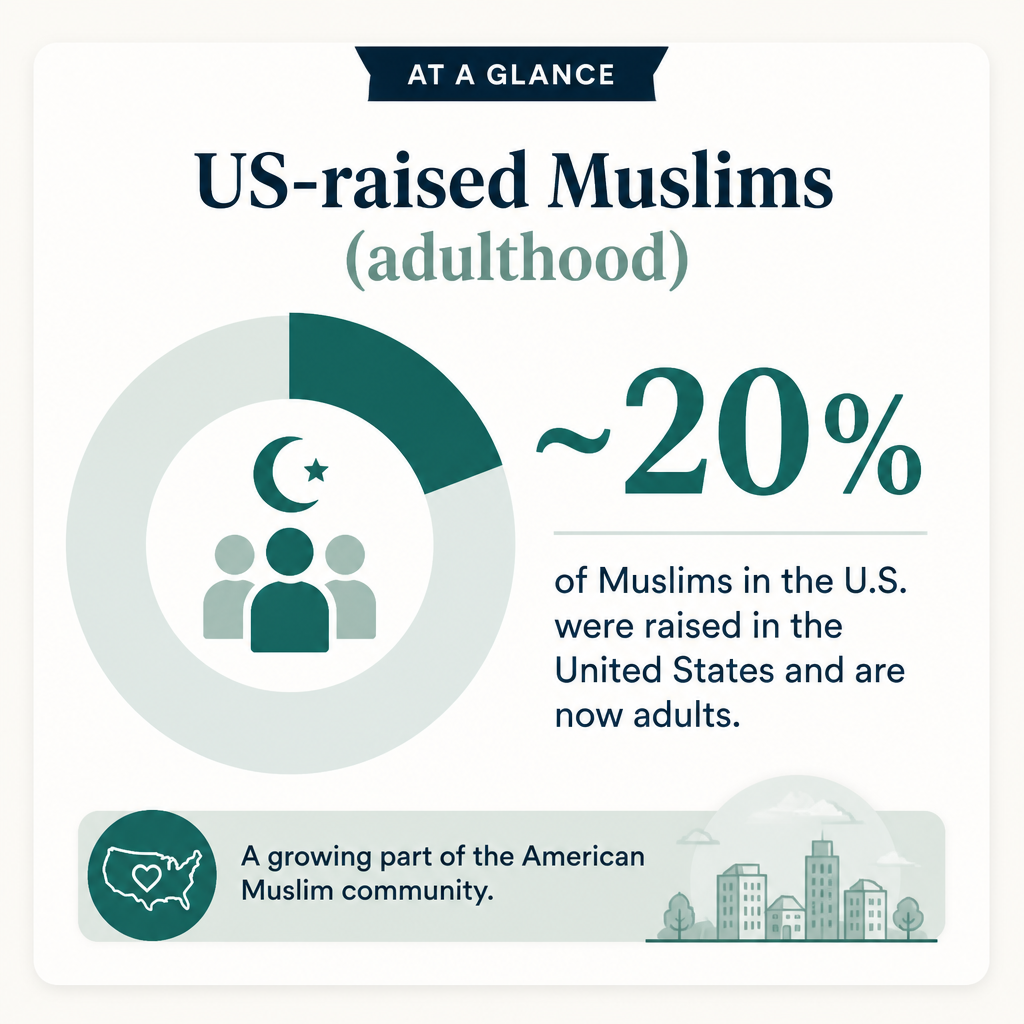
One study-referenced finding often discussed in identity literature is that about 20% of US-raised Muslims may not identify as Muslim in adulthood. While every individual story is unique, it underscores a powerful point: if identity is left to chance, secular pressure can become louder than faith.
A confident identity rooted in worship, knowledge, and community is the antidote to “identity drift.”
2) Start With the Foundation: Fitra and “Worship First” Identity
The word fitra refers to the natural disposition Allah placed within human beings—inclination toward the truth and toward worship. A confident Muslim identity begins by remembering: you were created for Allah.
Try this foundation statement (repeat it often, especially during doubt):
“My identity is first built through worship of Allah, and everything else follows.”
When faith is framed as a relationship, not a performance, confidence becomes sustainable. Instead of chasing acceptance from others, you grow acceptance of yourself as a worshipper of Allah.
3) Reframe Confidence: Pride, Not Defensiveness
Many people think confidence means being ready to fight. But real confidence is different for believers. It looks like:
- praise for Allah even when others misunderstand you
- clarity about your beliefs without self-hate
- good character that speaks louder than responses to provocation
The goal is to be proud muslim—not because you’re above others, but because Allah has honored you with truth and belonging. Pride here is gratefulness, not arrogance.
4) Build Self-Esteem With a Strengths-Based Islamic Lens
Self-esteem becomes fragile when identity is taught only as “don’t do this” or “avoid that.” But an Islamic approach builds self-respect by highlighting who you are in Allah’s eyes.
Try this strengths-based reflection:
- What good traits do you have that can serve Allah? (patience, honesty, compassion)
- Where do you see effort and growth, even if the outcome is not perfect yet?
- How can you connect your strengths to worship? (study the Qur’an, serve people, make dua)
Then adjust your internal language. Instead of “I’m not enough,” practice “I’m on the path, and I can improve with Allah’s help.”
5) Strengthen Self-Efficacy: Mastery, Realistic Goals, and Tawakkul
Self-efficacy is the belief that you can take meaningful steps toward a goal. In Islamic terms, it’s the practical side of tawakkul: you act, you learn, you improve—then you place your outcome with Allah.
Build self-efficacy with three habits:
A) Create “mastery experiences”
Choose small, consistent actions you can actually complete—then repeat them until they become identity.
- Memorize 1 new verse per week
- Make one extra du’a daily
- Pray on time for a short, realistic window
B) Normalize mistakes without identity shaming
When you slip, avoid self-hate. Reframe: “This is a lesson, not a label.”
C) Combine effort with tawakkul
You do your part—Allah handles what you cannot control.
6) Grow Self-Trust in Allah: Independence, Wise Decisions, Positive Distinctiveness
Self-trust is not “I can do everything.” For a believer, it’s trust in Allah’s guidance and mercy. This creates inner stability—especially when your social environment tries to pull you away.
Practice positive distinctiveness: being Muslim is not something to hide; it’s something to live openly with wisdom.
Ask yourself:
- What do I choose based on Allah’s guidance?
- What situations drain my faith, and how can I adjust them?
- How can I make decisions that respect my values and still build relationships?
When you trust Allah, you stop requiring constant external approval.
7) Create an Islamic Home Environment That Counters Identity Pressure
Identity is formed early. Many experts emphasize that daily atmosphere shapes self-concept long before big speeches or major events.
Simple home practices can create resilience:
- Qur’an and halal reminders in everyday life
- Islamic visuals, books, and language (“we do this because Allah loves it”)
- Regular routines: salah together when possible, family reminders, respectful halal meals
- Warm conversations instead of only correction
In many cases, warmth over restriction produces longer-lasting faith retention than rigid control without dialogue.
8) Talk Early and Often: Conversation Starters That Produce Clarity and Calm
Silence creates confusion. Open conversation builds confidence. If you wait for “big problems,” you may only get arguments. But frequent, gentle talks create readiness.
Use these starters:
- “What part of Islam felt most beautiful to you this week?”
- “When you heard something negative about Muslims, what did you feel—and what did you do?”
- “How would you explain your faith to someone curious?”
- “What is one du’a you want to make for yourself or others?”
- “If you could ask Allah one question today, what would it be?”
This kind of dialogue doesn’t just inform—it forms emotional safety.
9) Prepare for Bias and Islamophobia With Pride + a Plan
Confidence includes reality. Sometimes people will misunderstand Islam. Sometimes they will be rude. Sometimes discrimination will be direct.
A helpful approach is pride plus preparation:
Practical responses
- Clarify calmly: “That’s not accurate. Here’s what Islam teaches.”
- Protect your peace: “I don’t want to debate disrespectfully.”
- Choose the right time: respond now if helpful; delay if the space isn’t safe
- Use boundaries without insulting back
Internal response
When negativity hits, avoid self-hate. Teach yourself (or your children):
“Islam is true. People can be wrong or ignorant—but my worth is from Allah.”
10) Use Community, Masjid, and Role Models to Reinforce Belonging
Identity strengthens when it’s lived with people who make it feel normal. Community belonging is often linked to stronger religious identity.
Look for role models who reflect Islam with:
- good character
- joy in worship
- confidence with humility
- real-life guidance, not only theory
Volunteer, attend circles, and build friendships where faith is not a secret.
11) Parenting Style That Works: Warmth Over Restriction, Dialogue Over Rigidity
If you’re building identity in children, remember: your reaction shapes their worldview. Children absorb not only what you say, but how you say it—your calm, your love, and your confidence.
Principles that often outperform rigid rule-only parenting:
- Bidirectional conversations (“tell me what you think”)
- Effort-focused praise (“I saw you try,” not only “you got it right”)
- Respect differences while still teaching values
- Correct with compassion, not with shame
When kids learn they can bring questions without fear, their faith becomes resilient.
12) Teach Children to Explain Their Faith Confidently (Without Self-Hate)
Confidence is practical: being able to explain your belief calmly. The goal is not memorized speeches—it’s clarity and character.
Teach simple “faith explanations,” such as:
- “Islam is the worship of Allah alone.”
- “We follow the Qur’an and the Sunnah for guidance.”
- “Muslims pray because it connects us to Allah.”
- “Being Muslim doesn’t make us better than others—our faith teaches us to be good.”
Then practice with them: role-play questions. Repetition builds composure.
13) Practical “Sunnah Tools” for Stress, Negative Emotions, and Resilience
Resilience is partly emotional regulation. Islam provides tools—not just concepts.
A) Dua as emotional anchoring
When anxiety rises, make dua right away. Even a short du’a is an act of trust.
B) Salah as stability
Prayer resets the day and reconnects your identity to Allah’s presence.
C) Qur’an recitation as light
Read with meaning when possible. If understanding is hard, keep reading anyway; consistency matters.
D) Patient speech and measured responses
Confidence includes restraint. The Sunnah teaches that how you respond can be part of your worship.
14) A Simple Weekly Routine for Reinforcing Confident Muslim Identity
Here’s a realistic weekly rhythm you can adapt for adults or families:
Weekly checklist
- Daily: Salah on time + one du’a
- 3–4 times/week: Qur’an recitation (even short)
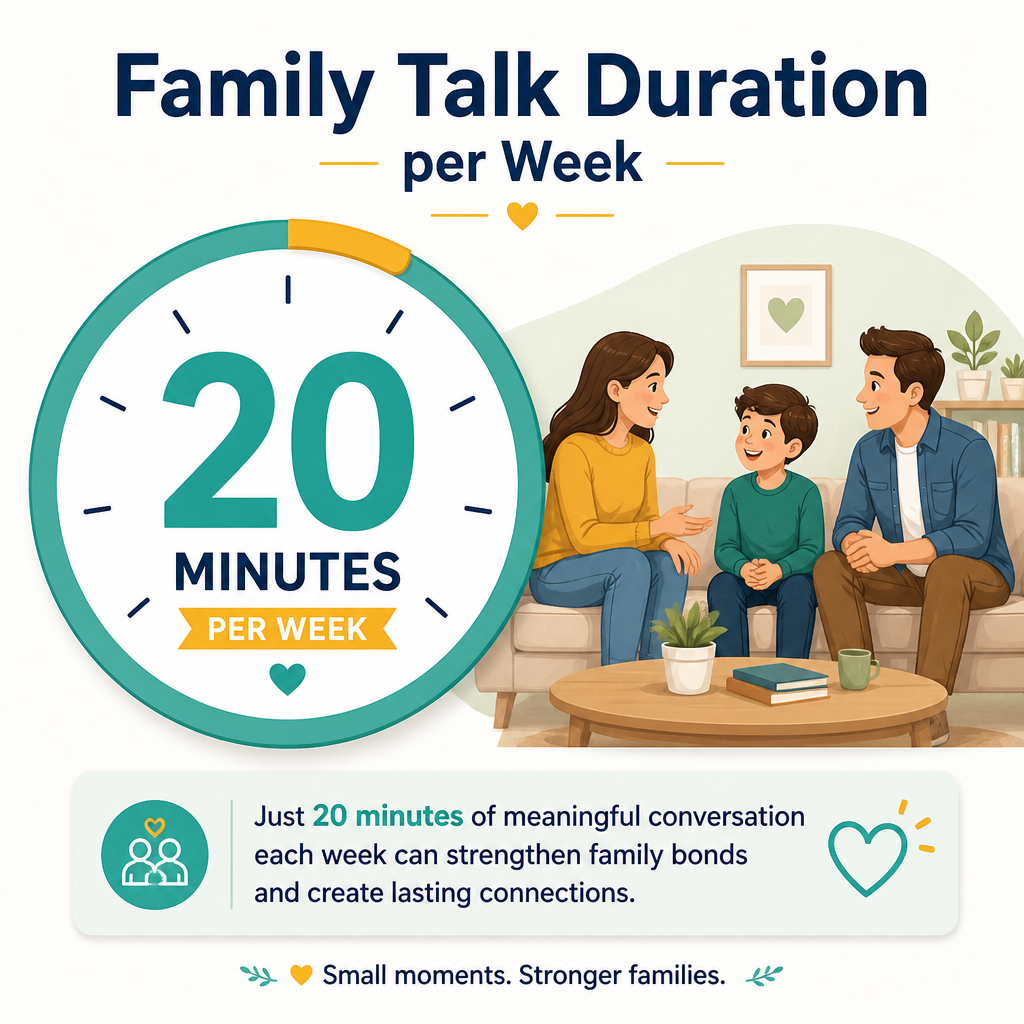
- 1 family talk (20 minutes): “What was challenging? What was beautiful?”
- 1 community activity: masjid event, halaqah, volunteering, or youth group
- 1 confidence practice: learn a short explanation of Islam or review key values

Consistency communicates: “You belong here.”
15) Conclusion: Your Identity Can Be Stable, Joyful, and Unshakable—By Allah’s Help
A confident muslim identity is built, not merely wished for. It grows through fitra-based worship, pride without defensiveness, strengths-based self-esteem, mastery-driven self-efficacy, and self-trust in Allah. It also grows through an Islamic home environment, warm conversations, bias preparation, and community belonging.
If you’re building for yourself or for your children, start small and stay consistent. With patience, dua, and truthful effort, Allah can make your identity stable—so that nothing outside you can fully shake what Allah placed within you.
References (Top Resources Used)
-
Yaqeen Institute – Raising Resilient Muslim Youth: Strategies for Building a Strong Muslim Identity in Children
https://yaqeeninstitute.org/read/paper/raising-resilient-muslim-youth-strategies-for-building-a-strong-muslim-identity-in-children -
Lil Crescent – Raising Confident Muslim Kids in the West
https://www.lilcrescent.com/blogs/the-crescent-journal/raising-confident-muslim-children-non-muslim-country -
Ali Huda Blog – How to Raise Confident Muslims
https://blog.alihuda.com/how-to-raise-confident-muslims-kids/