Introduction: Reframing “successful Muslim” as service + excellence
When people hear the phrase successful Muslim, they sometimes imagine only wealth, status, or a polished professional image. But in Islam, real success is bigger than a paycheck. It’s the ability to live your Deen and contribute value to the world—without selling your principles.
In society, the Muslim who makes a difference is rarely the one who only “talks well.” It’s the one who works well, keeps promises, shows up on time, communicates with integrity, and builds trust over the long term. This is how faith becomes credibility.
So instead of asking, “How do I become successful?” a Muslim should ask: How do I become excellent while staying halal—so my success becomes a form of worship and service?
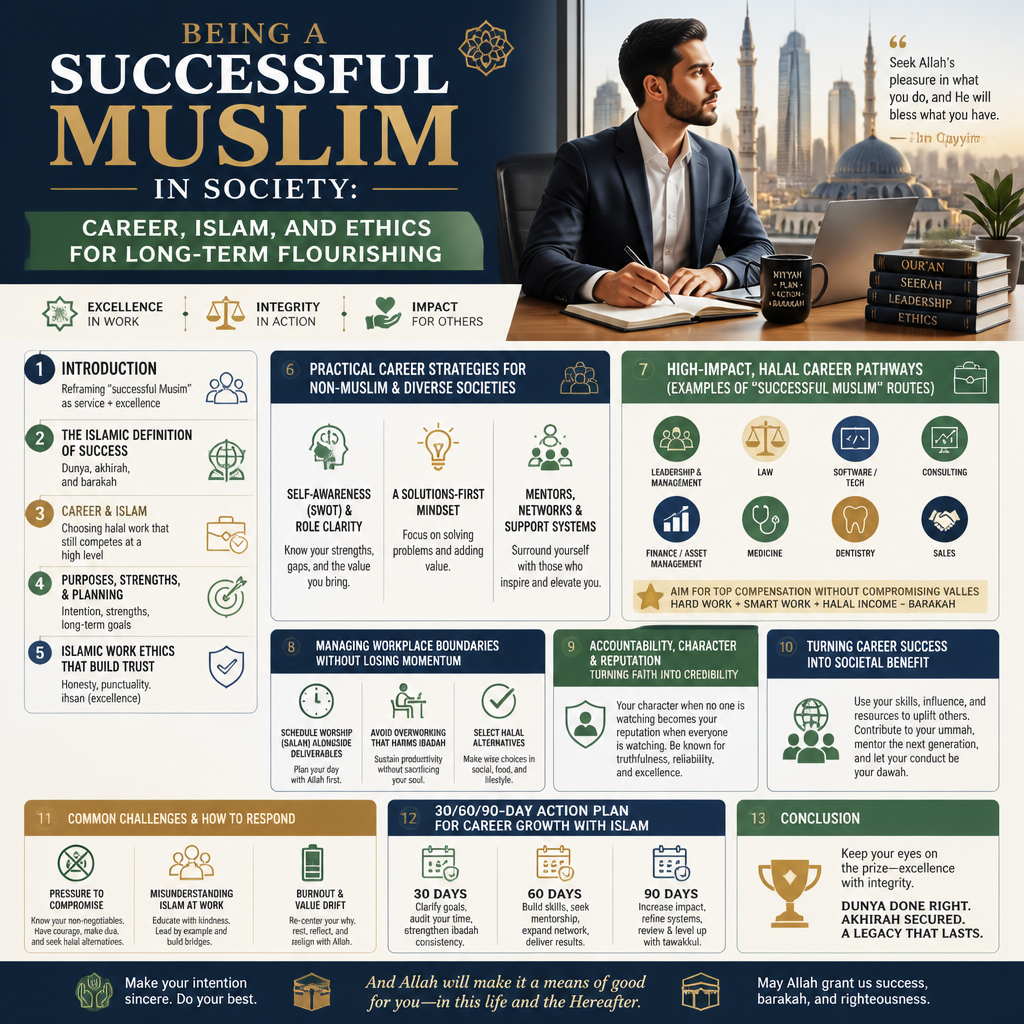
The Islamic definition of success (dunya, akhirah, and barakah)
Islam does not ignore dunya. It challenges Muslims to pursue it with correct intentions and ethical boundaries. A good definition of success includes three layers:
- Dunya (worldly outcomes): halal income, competence, stability, and usefulness to others.
- Akirah (eternal outcomes): sincerity, obedience, and a life aligned with Allah’s guidance.
- Barakah (divine blessing): “more goodness with less friction”—even when circumstances are not perfect.
Barakah is not magic luck; it grows where intention is pure, earning is halal, and conduct is consistent. That’s why “career and islam” is not a conflict—it’s a framework.
Career and Islam: choosing halal work that still competes at a high level
One of the biggest misconceptions is that Islamic values automatically reduce your career options. In reality, halal and excellence often belong to the same path—because ethics can sharpen your brand, strengthen your reputation, and improve your performance.
Start by asking two practical questions when considering any field:
- Is the work halal? (No direct involvement in haram income streams.)
- Can I excel in it? (Do I have the aptitude and can I develop real expertise?)
Ethical boundaries can be a source of clarity. Once your boundaries are clear, your learning becomes focused—and your output becomes consistent.
Purposes, strengths, and planning (intention, strengths, long-term goals)
Many careers fail not because of ability, but because of direction. A successful Muslim treats career planning like a long-term ibadah: deliberate, humble, and structured.
1) Clarify your intention
Before choosing a role or accepting a promotion, refine your niyyah. Intentions don’t replace action, but they shape the meaning of your effort.
- Earn to support family with dignity.
- Use competence to benefit people.
- Build stability so you can give (sadaqah, community support, responsibility).
2) Know your strengths (and limitations)
In career planning, self-awareness is power. A helpful way is a simple SWOT analysis: your Strengths, Weaknesses, Opportunities, and Threats. This creates a plan that doesn’t waste time on what you’ll likely struggle with.
3) Plan for the long term
Long-term planning aligns dunya with akhirah. That can include:
- Skill growth (certifications, portfolio, mentorship)
- Halal investment planning (within your circumstances and knowledge)
- Family time and worship schedules
- Community giving and leadership opportunities
Islamic work ethics that build trust in any workplace
In diverse societies, Muslims often become trusted not only for technical ability, but for reliability. Islamic character is a competitive advantage because people want to work with someone they can count on.
Honesty
Be transparent, especially when reporting performance and risks. If you make a mistake, own it quickly. This creates a reputation for integrity.
Punctuality and responsibility
Consistency shows maturity. Deliver on time, communicate early, and avoid careless excuses.
Ihsan (excellence in worship and work)
Ihsan means you do your work as if you are seeing Allah—even when no one is watching. When your work is excellent, it becomes a form of witness (dawah) through conduct.
Practical career strategies for non-Muslim and diverse societies
Working in environments that are not Muslim can be challenging. But it’s manageable when you adopt three strategies: solution-minded thinking, mentorship, and strong networks.
1) Use a solutions-first mindset
When issues arise, avoid being only a critic. Ask: What is the fix? Even if you don’t have the full answer, you can contribute next steps. This gains respect.
2) Identify opinion leaders and build real relationships
Not every “network” is healthy. Look for people who shape decisions and standards in your organization. Learn how they think, then demonstrate alignment through your work.
3) Find mentors (inside and outside work)
A mentor can help you avoid costly mistakes and accelerate your growth. Have at least one:
- Career mentor: helps with strategy and skill-building
- Faith mentor: helps protect your Deen and priorities
4) Build a support network
Support can be community-based (ummah circles) and professional (trusted colleagues). Having people who understand your goals reduces value drift and burnout.
High-impact, halal career pathways (examples of “successful Muslim” routes)
Halal does not mean “low ambition.” Some Muslims pursue high-paying, high-impact fields while staying within ethical boundaries. The key is choosing the right lane and building deep expertise.
Leadership & management
Leadership is influence. If you can manage people ethically, you can lead teams that thrive without injustice. Think: operations, HR (with ethical hiring standards), project leadership, and organizational strategy.
Law
For Muslims who want to serve justice, law can be a powerful path. Aim for roles where you can uphold ethical practice and avoid haram involvement.
Software/tech and innovation
Tech skills scale. Software engineering, cybersecurity, product management, and solutions architecture can be deeply halal when you build for legitimate purposes.
Consulting
Consulting rewards problem-solving, communication, and strategic thinking. A successful Muslim consultant clarifies requirements, reduces risk, and avoids deceptive practices.
Finance and asset management
Finance is broad. You can pursue roles aligned with ethical investing or compliant structures. If your organization deals with questionable sectors, consider transitions where your work remains halal.
Medicine
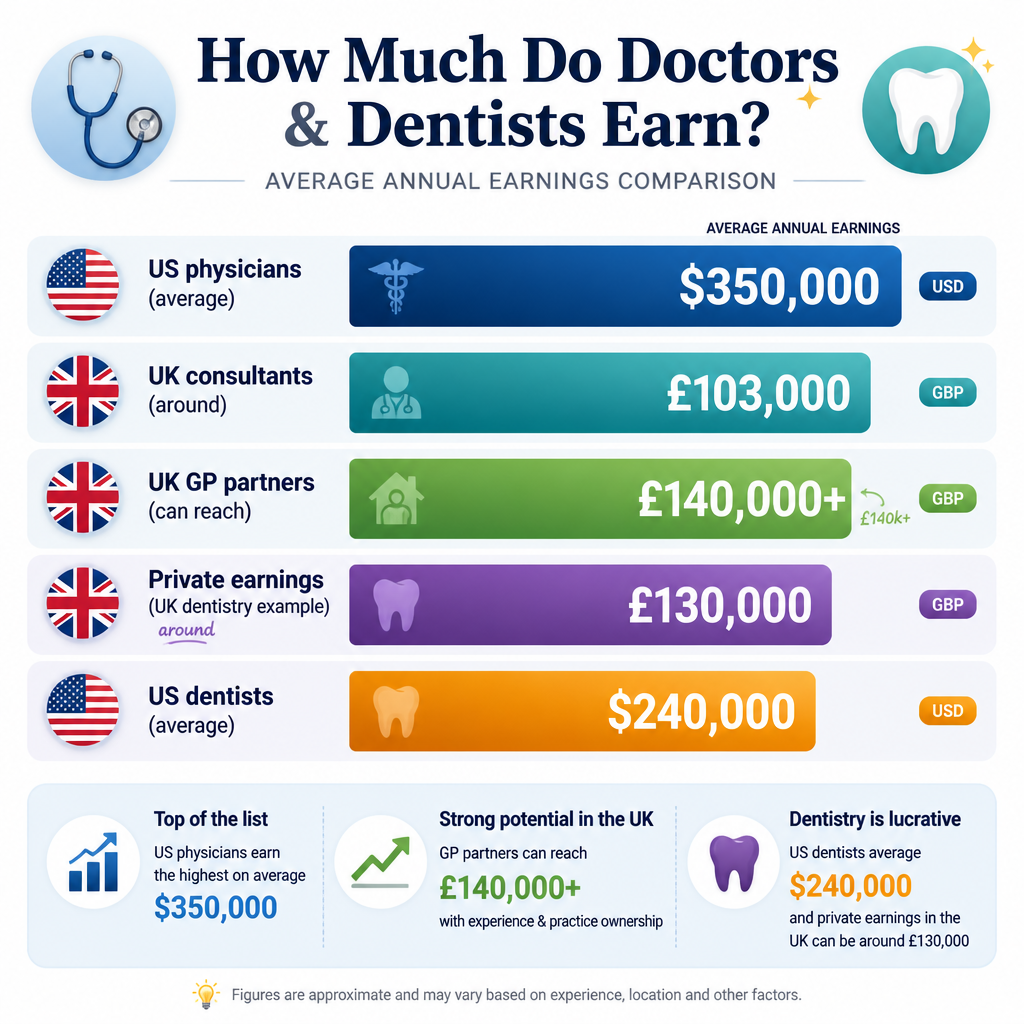
Medicine offers high responsibility and meaning. According to common compensation reporting:
- US physicians: average around $350k
- UK consultants: around £103k
- UK GP partners: can reach around £140k+
These numbers vary by specialty, location, and system, but the overall idea stands: you can pursue demanding halal work and still achieve top-tier outcomes.
Dentistry
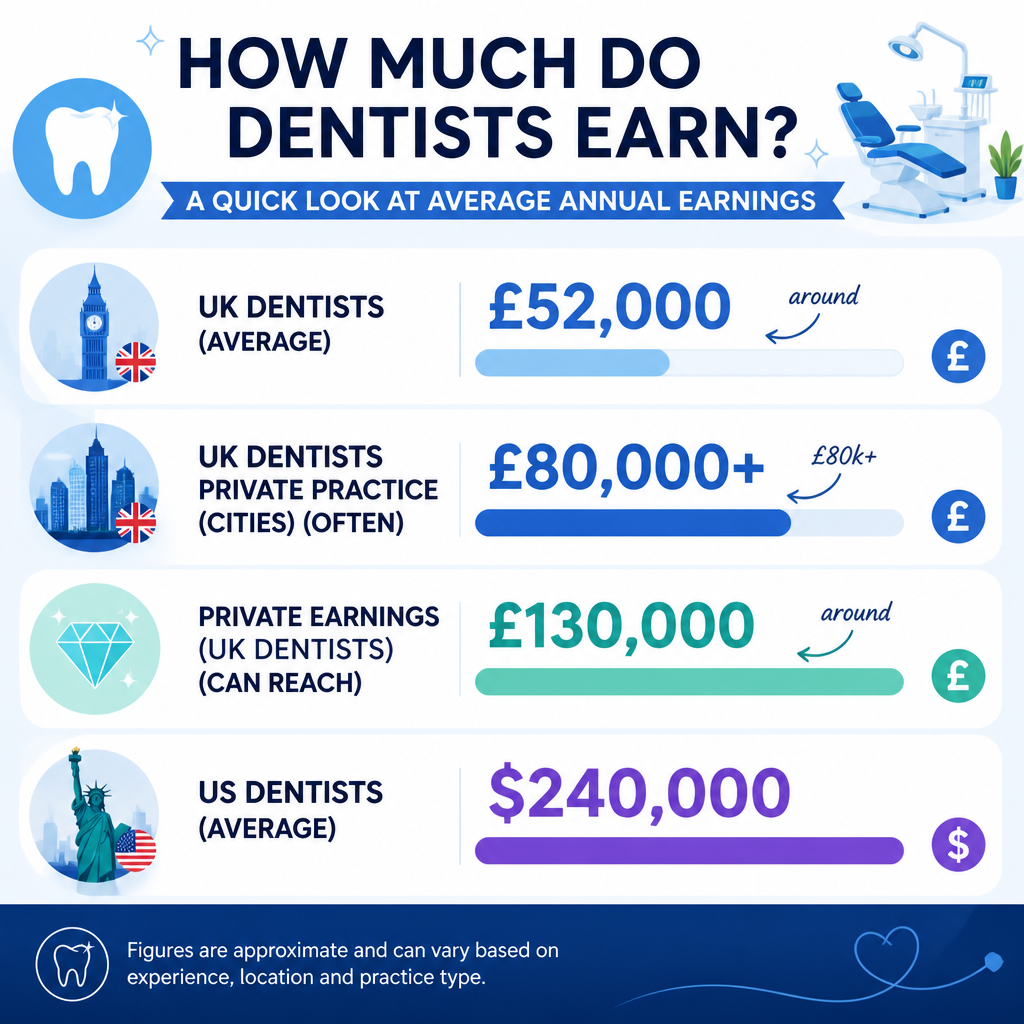
Dentistry can offer professional excellence plus long-term stability. Reporting often cites:
- UK dentists: average around £52k, with higher incomes in private practice (often £80k+ in cities)
- Private earnings: can reach around £130k
- US dentists: average around $240k
Sales (when conducted ethically)
Sales is not automatically haram. It depends on how you sell. Ethical sales involves accurate claims, transparent pricing, and no manipulation.
How to aim for top compensation without compromising values
Use a simple rule: value clarity before ambition. The best “successful Muslim” strategy is not just to chase money, but to build expertise in a role that is halal in both income and method.
When evaluating opportunities, consider:
- Do you have a credible path to mastery?
- Is the organization aligned with halal boundaries?
- Can you maintain ibadah without chronic burnout?
- Will you be proud of your work in front of Allah?
Managing workplace boundaries without losing momentum
In modern society, the workplace often pushes “always on.” A successful Muslim learns boundaries—without becoming passive or absent-minded.
Schedule worship (salah) alongside deliverables
Don’t treat salah as something you “fit in if there’s time.” Build it into your day. In many workplaces, you can plan prayer times with:
- Arriving with a prayer routine already prepared
- Using breaks intentionally
- Explaining needs professionally when possible
Avoid overworking that harms ibadah
Excessive overtime can silently drain your spiritual life. A balanced goal is to deliver with excellence while protecting the essentials: salah, Qur’an, and rest.
Select halal alternatives for social and lifestyle choices
Workplace culture often includes social pressure—events, drinking norms, and “team bonding” that crosses Islamic lines. Choose alternatives that allow you to belong without compromising your Deen.
Accountability, character, and reputation: turning faith into credibility
People don’t just evaluate output—they evaluate character. A Muslim becomes successful in society when their reputation matches their claims. Practice accountability:
- Own mistakes quickly
- Don’t exaggerate achievements
- Protect confidential information
- Be consistent under pressure
When your character is consistent, trust compounds. And trust is the foundation for promotions, leadership roles, and long-term opportunities.
Turning career success into societal benefit (ummah contribution and dawah through conduct)
Career success is meant to serve something bigger. Use your credibility to benefit society in ways that only you can.
- Support community needs: mentorship, internships, job referrals
- Serve through your field: excellence in healthcare, law, engineering, education, and more
- Practice dawah by character: calm communication, respect, and fairness
In other words: your career should become a channel for mercy—impacting not only yourself, but people around you.
Common challenges and how to respond
1) Pressure to compromise
If a workplace pressures you to lie, cut corners, or participate in haram systems, respond with clarity. Seek lawful alternatives, document concerns when appropriate, and keep your values steady.
2) Misunderstanding Islam at work
Sometimes people misunderstand your prayer schedule or dietary needs. Respond politely and professionally. Calm consistency reduces misconceptions.
3) Burnout and value drift
Burnout leads to shortcuts, which can lead to value drift. Protect your basics: sleep, salah, healthy boundaries, and realistic goals.
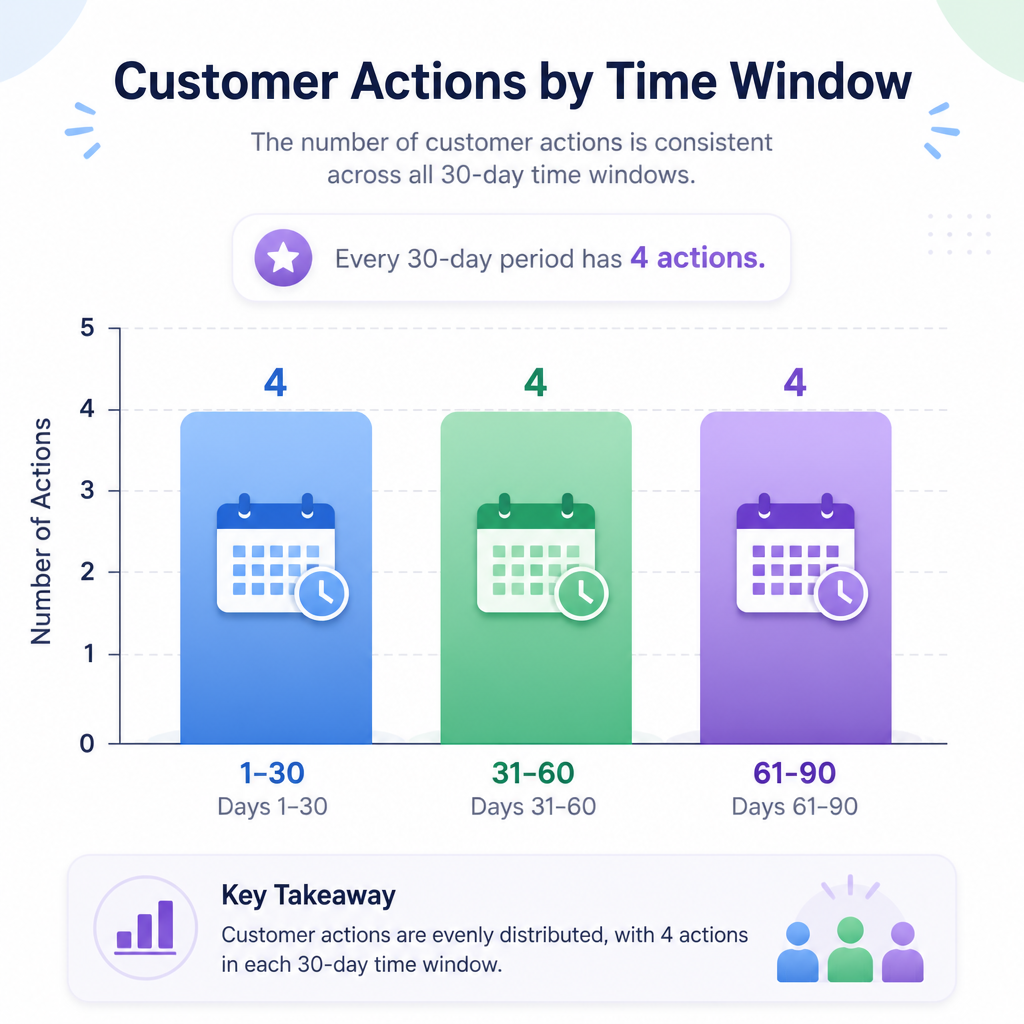
A 30/60/90-day action plan for career growth with Islam
Days 1–30: Build the foundation
- Do a quick SWOT analysis (strengths, gaps, opportunities, threats)
- Choose 1–2 halal career directions (not 10 random options)
- Map prayer times and define “non-negotiables” for ibadah
- Identify one mentor and one peer support contact
Days 31–60: Improve your competence and visibility
- Create a skill plan (courses, practice, portfolio, certifications)
- Deliver one visible project with a solutions-first mindset
- Practice professional communication: clarity, honesty, early updates
- Join a relevant network or community group
Days 61–90: Leverage opportunities responsibly
- Request feedback and adjust your development plan
- Negotiate promotion readiness (measurable outcomes, impact, reliability)
- Apply for roles aligned with your halal boundaries
- Set a long-term goal for giving back (mentorship or community support)
Conclusion: Keep your eyes on the prize—excellence with integrity
Being a successful Muslim in society is not a contradiction. It’s a mission: earn halal, work with excellence, and protect your Deen while serving people.
If you align your intention, plan long-term, build trust through Islamic ethics, and pursue career growth with wisdom, your success becomes more than personal achievement. It becomes a form of dawah through conduct—a consistent message that Islam produces people who can thrive in society without compromising truth.
Top references (for further reading)
- Islamic Finance Guru – “13 Halal Jobs That Pay 100k+ (And How You Can Land One)”
https://www.islamicfinanceguru.com/articles/13-halal-jobs-that-pay-100k - Muslim Planner – “Muslim Career Planning – Purposeful Career with Faith”
https://muslimplanner.com/blogs/islamic-productivity/muslim-career-planning - Productive Muslim – “9 Tips to be a Pro at Work”
https://productivemuslim.com/workplace-success-tips/