1. Introduction: Why the Muslim community matters now
Modern life can make faith feel strangely private—something you practice alone, think about quietly, and live out in isolation. Yet Islam repeatedly returns us to a different picture: a community of worship, a shared moral life, and a worldwide family called the ummah. When we understand the role of community in Islam, we see that “belonging” is not a mood; it is a spiritual structure designed to shape hearts, disciplines, and character.
This article explains the muslim community importance of the ummah—how it strengthens faith, produces mutual care, connects people through worship, and helps individuals grow through consistent habits, role models, and supportive environments. Along the way, we’ll also address common challenges today and offer practical ways to meet them with intentional community.
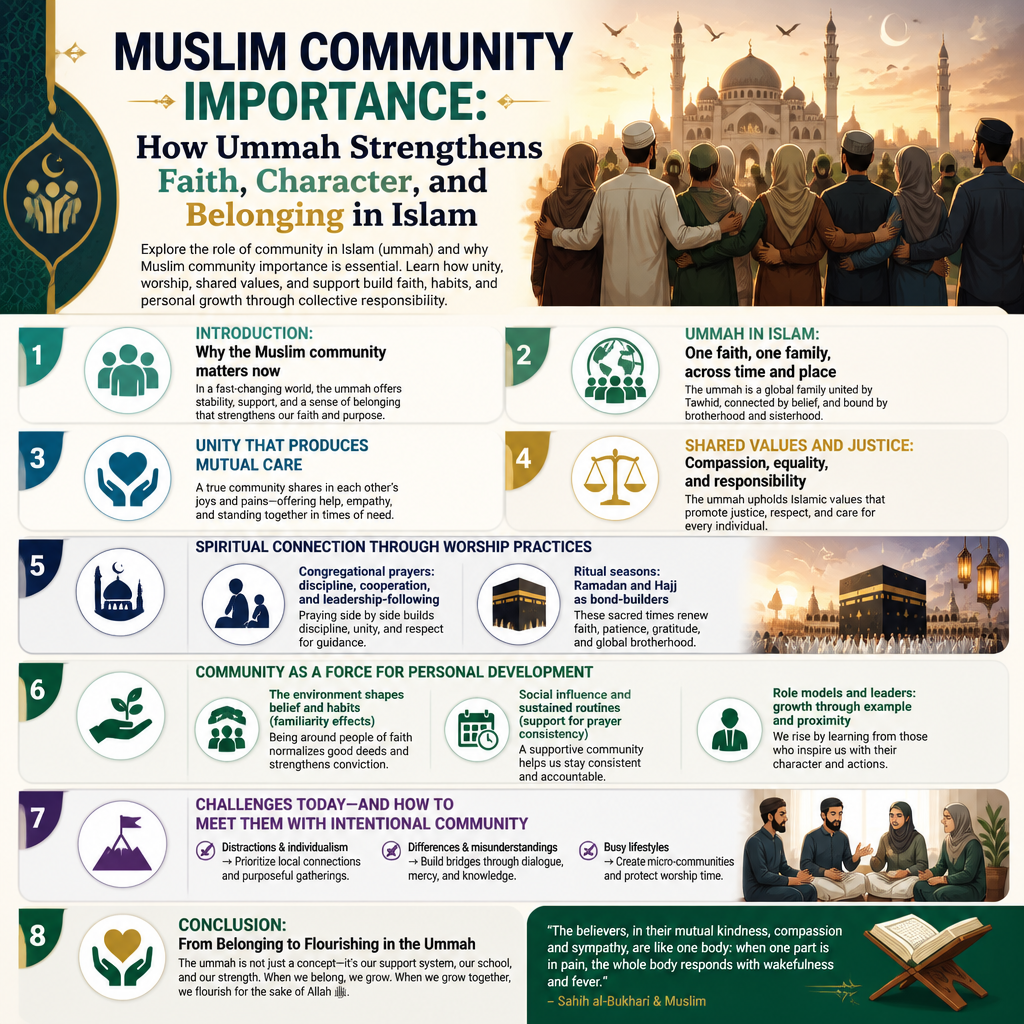
2. Ummah in Islam: one faith, one family, across time and place
In Islam, the ummah is not simply “a group of people with similar opinions.” It is a bond rooted in belief, worship, and accountability. Muslims are connected by more than geography or culture; they share a covenant with Allah and a commitment to live by the guidance of revelation.
That’s why the ummah can include someone in a small town and someone on the other side of the world—yet both stand in prayer facing the same qiblah, recite the same Qur’an, and strive to follow the same Messenger (peace be upon him). The result is a sense of spiritual family that outlasts trends, politics, and personal preferences.
3. Unity that produces mutual care (pain shared, help given)
One of the most practical expressions of the ummah is mutual support. Islam teaches that believers are not meant to carry life alone. The community is meant to notice needs and respond with compassion.
Classically, the idea is often summarized with the metaphor: the believers are “like one body”—when one part feels pain, the entire body is affected. In daily terms, this means that your neighbor’s crisis becomes your concern, and your own prosperity carries a responsibility to uplift others.
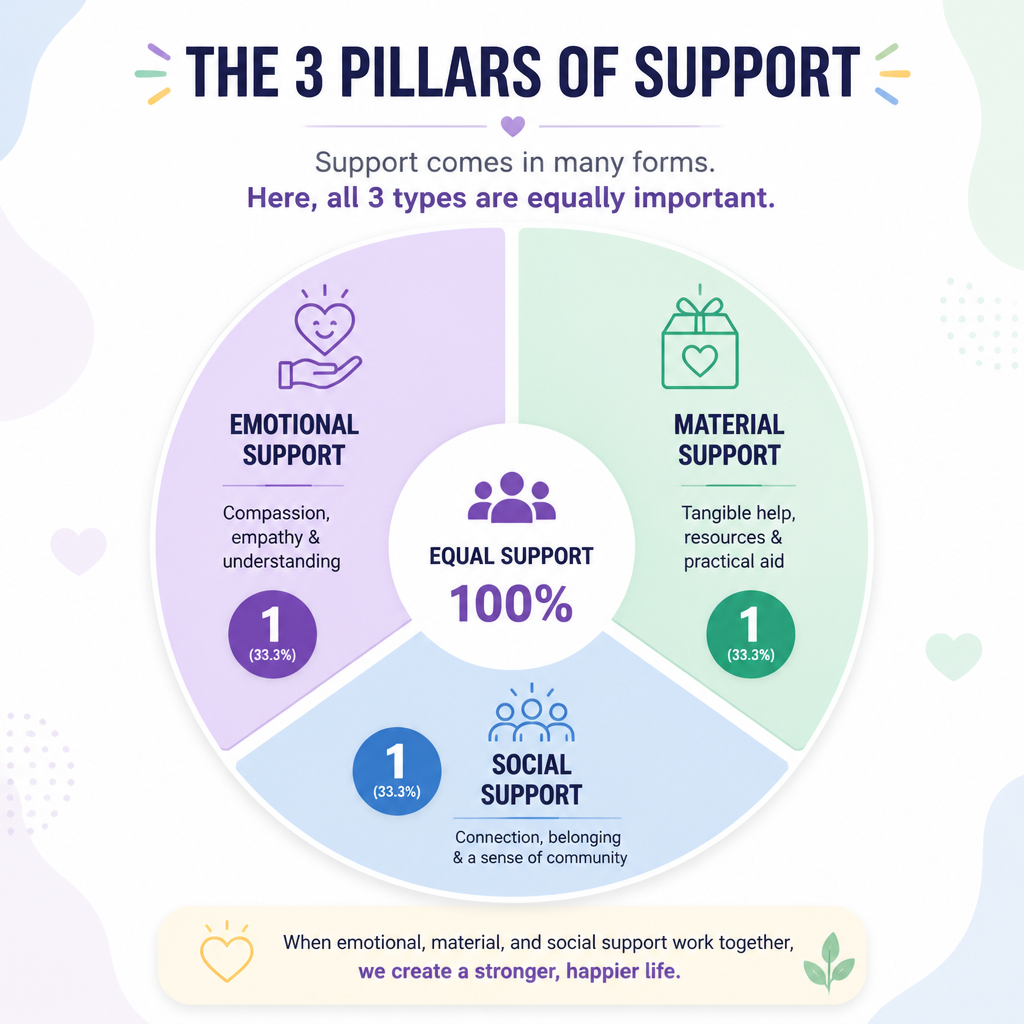
This mutual care can take many forms:
- Emotional support: checking on the sick, consoling those grieving, encouraging those struggling.
- Material support: helping pay debts, covering essential needs, and practicing charity.
- Social support: welcoming newcomers, mentoring youth, and creating belonging.
When community care becomes real, faith stops being abstract. It becomes lived. That is part of why muslim community importance is not only spiritual—it’s also intensely human.
4. Shared values and justice: compassion, equality, and responsibility
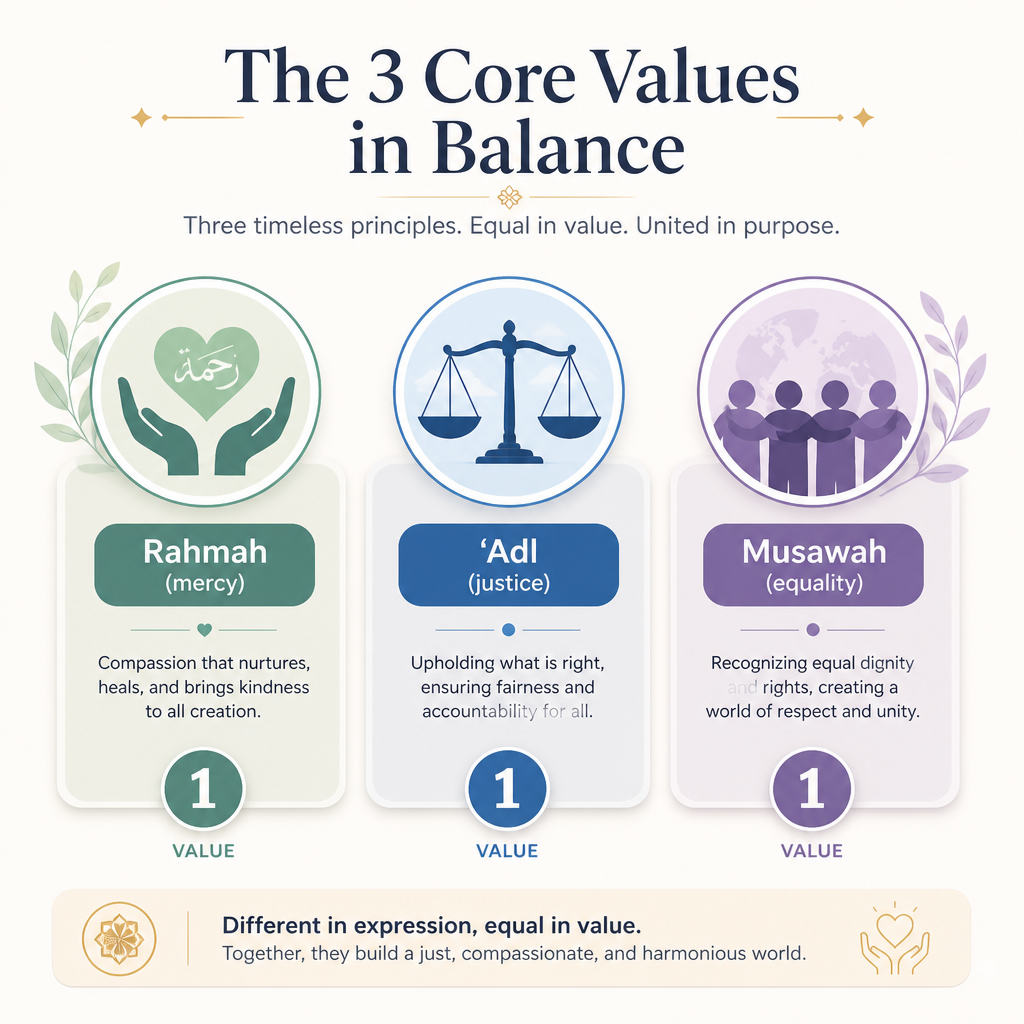
Islamic community is built on values, not vibes. The ummah is supposed to embody justice, mercy, and responsibility—locally and globally. Shared values create shared expectations: we do not only pray together; we also learn how to treat one another.
Among the central Islamic commitments that shape communal life are:
- Rahmah (mercy): compassion toward people’s weaknesses, not cruelty toward their mistakes.
- ‘Adl (justice): fairness in dealing, speaking honestly, and resisting oppression.
- Musawah (equality): recognizing that dignity is not purchased with status—human worth is anchored in Allah.
When these values are practiced, the community becomes a place where people can breathe easier. It becomes a shelter where moral growth is possible, because injustice is challenged and kindness is expected.
5. Spiritual connection through worship practices
Perhaps the strongest glue of the ummah is worship. Worship is not merely private devotion; it is communal rhythm. Islam gives Muslims shared practices that repeatedly pull believers into unity.
5.1 Congregational prayers: discipline, cooperation, and leadership-following
Congregational prayer (salat in Jama‘ah) teaches community in a very concrete way. Standing shoulder to shoulder requires humility. Following an imam trains order and patience. Even when people have differences, the prayer creates discipline through shared posture, shared focus, and shared intention.
From a character standpoint, congregational worship strengthens:
- Consistency: community helps make spiritual routines easier to sustain.
- Accountability: you are remembered by your presence; others are remembered by theirs.
- Cooperation: communal worship reinforces the idea that worship is not only an individual achievement.
In other words, community doesn’t only comfort you—it forms you.
5.2 Ritual seasons: Ramadan and Hajj as bond-builders
Islam also uses “seasonal” worship to strengthen bonds. Ramadan gathers believers around fasting, Qur’an recitation, and extra acts of worship. Hajj gathers the ummah around unity in rituals—people from every language and background moving as one, recognizing that Allah alone is the measure.
These seasons build a sense of continuity. Even if your daily life is busy, the spiritual calendar reminds you that you belong to something enduring.
6. Community as a force for personal development
One reason the ummah matters is that it helps you change—not only morally, but psychologically. Human beings are influenced by environment. When good routines are surrounded by supportive people, habits become easier to maintain.
6.1 The environment shapes belief and habits (familiarity effects)
Research discussions often describe how familiarity can influence belief and behavior: when you repeat something in a supportive environment, it becomes more natural. A person who regularly attends prayer, listens to reminders, and spends time with sincere people is more likely to internalize the rhythms of faith.
This doesn’t mean Islam reduces spiritual growth to social pressure. It means that Islam is wise about how human beings actually learn. The community provides an environment where truth is repeatedly encountered, not only contemplated once.
6.2 Social influence and sustained routines (support for prayer consistency)
Social influence can be powerful. For example, one long-term social influence study reported that likelihood of weight gain increased when friends gained weight—illustrating how routines spread through groups over time. While the topic differs, the underlying lesson applies: what your community repeatedly practices often becomes what you practice.
In Islamic life, this can work for good: when prayer is normal, charity is visible, and respectful speech is expected, it becomes easier to remain consistent even when you face personal weakness.
6.3 Role models and leaders: growth through example and proximity
Another essential function of community is leadership by example. Qur’an teachers, imams, mentors, and righteous peers shape character through proximity. The lesson is simple: you tend to become more like the people you spend time with.
When leaders are trustworthy—teaching with sincerity, correcting with wisdom, and practicing what they preach—the community becomes a training ground for the heart. You don’t just receive information; you receive formation.
7. Challenges today—and how to meet them with intentional community
It’s easy to talk about the ummah in ideal terms. But real life brings obstacles:
- Time pressure: work schedules can reduce attendance.
- Cultural differences: language and custom may create distance.
- Fragmentation: people may drift into small circles and stop expanding relationships.
- Disillusionment: when something goes wrong, some withdraw.
Islam offers a way to respond: intentional community-building grounded in adab (proper conduct), patience, and a commitment to repair. Practical steps include:
- Choose regular rhythms: aim for consistent attendance at congregational prayers or community study circles.
- Take part in service: volunteering makes belonging real and reduces isolation.
- Build bridges across groups: invite someone new to meals or programs; learn a little of their background.
- Seek sincere mentors: don’t only consume content—find people who can guide you personally.
- Practice gentle correction and forgiveness: community is not a perfection contest; it’s a place where growth happens.
If you feel far from the community, the solution is rarely “wait until you feel ready.” Often, the cure is to step back into worship, circle by circle, and let the ummah work on you—through consistency, care, and companionship.
8. Conclusion: From belonging to flourishing in the ummah
The role of community in Islam is not optional. The ummah is how Islam translates belief into support, worship into discipline, and values into shared moral life. When the community functions well—uniting believers through care, justice, and worship—it becomes a place where faith is protected and character can flourish.
So ask yourself a simple question: Am I only practicing Islam as an individual, or am I actively belonging to the ummah? If you want your faith to deepen, your habits to stabilize, and your heart to become steadier, intentionally connect to the community—through prayer, service, and relationships built on compassion. In doing so, you don’t just gain support; you participate in the very purpose Allah built through the ummah.