Raising Muslim Children Abroad: Muslim Parenting in the West with Islam Education Kids
Raising children abroad can feel like living in two worlds at once. Schools, friendships, media, and cultural norms may be far from what you grew up with. Yet your goal remains timeless: raise devout Muslim children who also function confidently in their environment.
This guide is built for muslim parenting west realities—when “belonging” looks different, when faith is sometimes misunderstood, and when your kids are learning identity in real time. You’ll find practical strategies for building islam education kids habits, strengthening a living connection to Islam, and navigating secular environments without sacrificing who your children are.
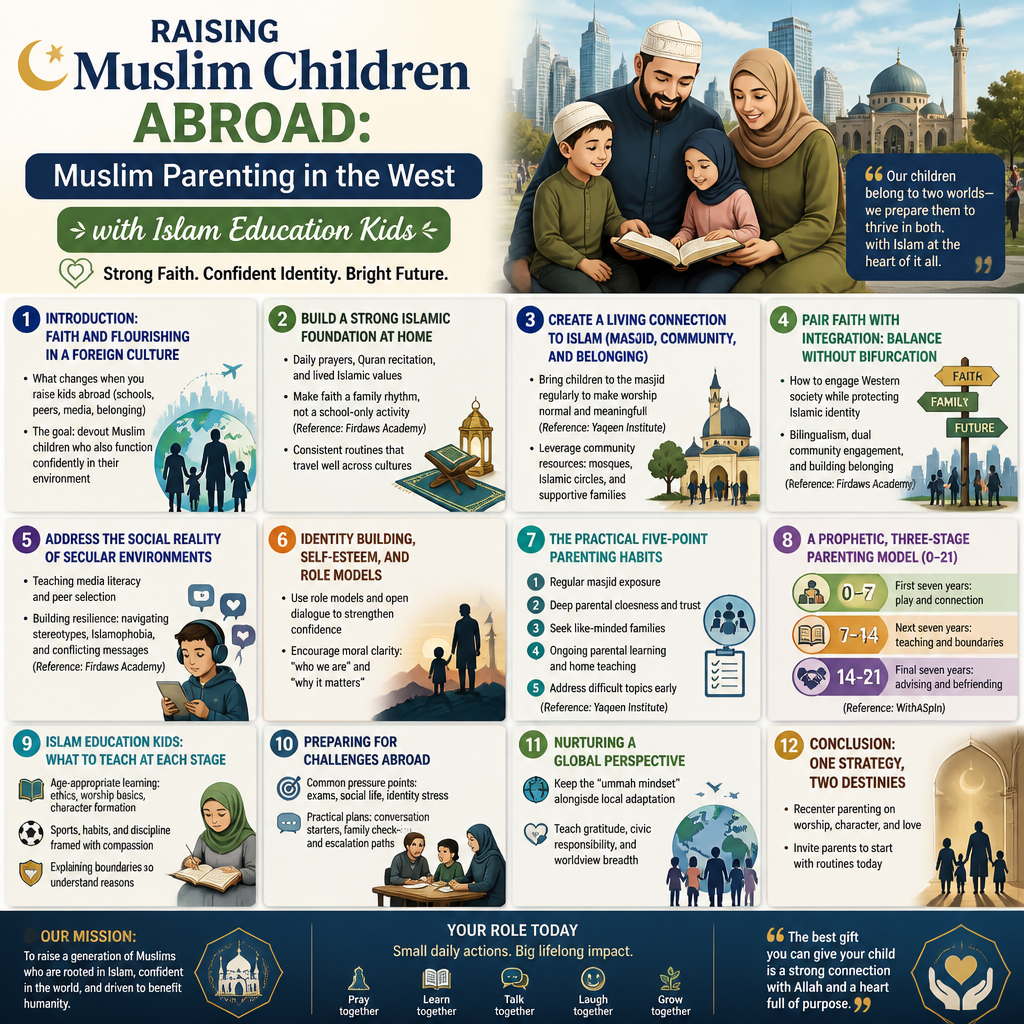
I. Introduction: Faith and Flourishing in a Foreign Culture
When you raise kids abroad, the biggest change is not geography—it’s input. Your child’s daily feed often includes:
- School norms that assume neutrality or even hostility toward religion
- Peers who define success through popularity, independence, and “fitting in”
- Media that normalizes moral confusion and presents faith as optional
- Less frequent access to Islamic resources or family networks
So the goal becomes clear: build an inner Islamic compass strong enough to guide them through unfamiliar waters—while also teaching them how to navigate the social and academic world wisely.
II. Build a Strong Islamic Foundation at Home
If you want your children to remain Muslim when external pressure rises, start by making Islam feel like a family rhythm, not a “religion project.”
1) Make worship a routine, not an occasional event
Daily prayers, Quran recitation, and reminders should be woven into the day. Children trust what repeats. When they see consistency, worship stops feeling like a burden and becomes part of belonging.
2) Lived values beat abstract lessons
Teach what Islam looks like in real life: honesty in small things, kindness when it’s inconvenient, respect for parents, and self-control under stress. Your home becomes the first “islam education kids” classroom.
3) Choose routines that travel well
In expat life, schedules shift. Pick practices that remain possible across time zones and changing circumstances—short Quran sessions, one du’a before sleep, a weekly family story, or a monthly “faith check-in.”
Reference takeaway: Guides for raising Muslim children in the West emphasize home-based foundation—daily prayers, Quran, and internalized Islamic values—so faith is carried from the inside out (Firdaws Academy).
III. Create a Living Connection to Islam (Masjid, Community, and Belonging)
In foreign countries, your child’s most powerful antidote to isolation is community. Worship is not only an individual act—it’s also a social environment where faith is normal.
1) Bring children to the masjid regularly
Make masjid attendance part of life, especially when they’re young. When children associate the masjid with family warmth—not just events—they learn that worship is natural.
2) Help them build friendships with believers
Peers shape identity faster than lectures do. Encourage children to form friendships with like-minded kids through youth circles, Quran groups, sports programs connected to Islamic communities, and weekend schools.
3) Use community resources intentionally
Look for:
- Islamic school or weekend madrasah programs
- Quran memorization circles or tutoring
- Mentors (aunts/uncles, older teens, community elders)
- Family events that mix Islamic character with fun
Reference takeaway: Parenting advice for raising practicing Muslim children highlights regular masjid exposure, relationship with children, and seeking like-minded families (Yaqeen Institute).
IV. Pair Faith with Integration: Balance Without Bifurcation
Many expat parents fall into one of two extremes:
- Bifurcation: “We do Islam at home, and everything else outside.”
- Assimilation-only: “We hide faith to avoid conflict.”
A wiser approach is balance: engage Western society without surrendering your Islamic identity.
1) Teach them how to belong
Belonging can be multi-layered. A child can feel at home both in their local community and in their Islamic identity.
2) Bilingualism and dual community engagement help
Where possible, support language skills and participation in both local and Muslim spaces. This increases confidence and reduces identity stress.
Reference takeaway: Strategies for raising Muslim children in Western contexts stress balancing faith and integration through cultural tools and community engagement (Firdaws Academy).
V. Address the Social Reality of Secular Environments
Don’t wait until your child is overwhelmed to address reality. Teach early that they will encounter conflicting messages—and Islam provides clarity.
1) Teach media literacy
When children consume content nonstop, their values can be shaped without discussion. Use simple practices:
- Ask what they believe a post or show is “training” them to accept
- Discuss respectful disagreement and emotional manipulation
- Set family guidelines for viewing—together, not just enforced
2) Teach peer selection and courage
Peer pressure often arrives disguised as “normal.” Train your children to recognize red flags—cruelty, mockery, harassment, and moral compromise—and to distance themselves from it.
3) Build resilience to stereotypes and Islamophobia
It’s healthy to validate feelings: “That hurts. You’re not alone. Here’s how Islam teaches us to respond with dignity.”
VI. Identity Building, Self-Esteem, and Role Models
Children don’t only need religious knowledge—they need confidence. If they feel ashamed of being Muslim, they’ll hide faith under pressure.
1) Use open dialogue
Invite questions without sarcasm. When children feel safe asking, they develop trust in parents as guides—not judges.
2) Provide strong role models
Role models show kids that faith is compatible with ambition, intelligence, and social life. Seek examples of Muslims who:
- are kind and confident
- excel academically or professionally
- handle disagreement with adab
- maintain religious commitments consistently
3) Give moral clarity: “Who we are” and “why it matters”
Instead of only saying “This is haram/halal,” connect behavior to purpose:
- Worship builds closeness to Allah
- Character protects them from harm
- Respectful conduct increases their dignity
VII. The Practical Five-Point Parenting Habits
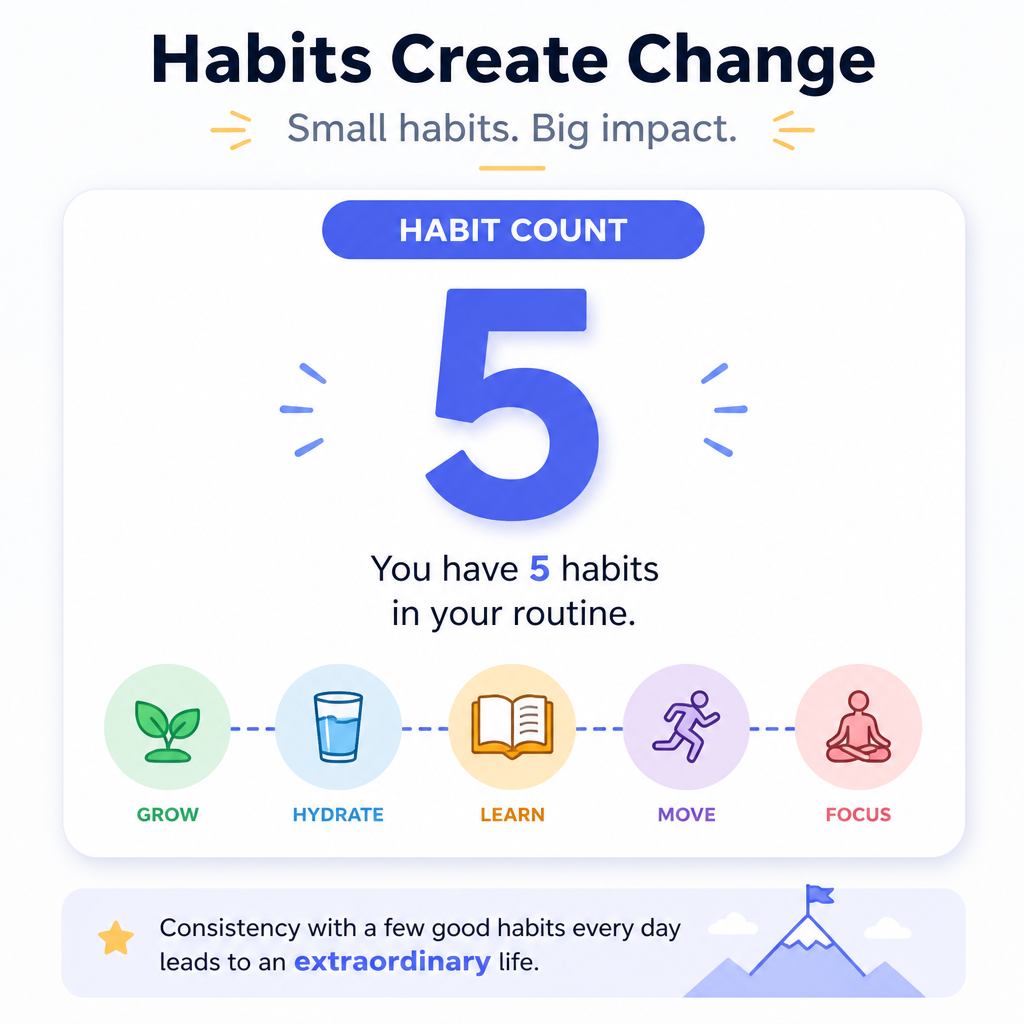
Here are five habits that consistently show up in effective guidance for raising practicing Muslim children:
- Regular masjid exposure (make worship normal)
- Deep parental closeness and trust (be reachable)
- Seek like-minded families (protect the peer ecosystem)
- Ongoing parental learning and home teaching (you grow with them)
- Address difficult topics early (discuss sensitivity before it turns into silence)
Reference takeaway: These habits align closely with the guidance shared by Yaqeen Institute for practicing Muslim parenting (including addressing difficult topics early).
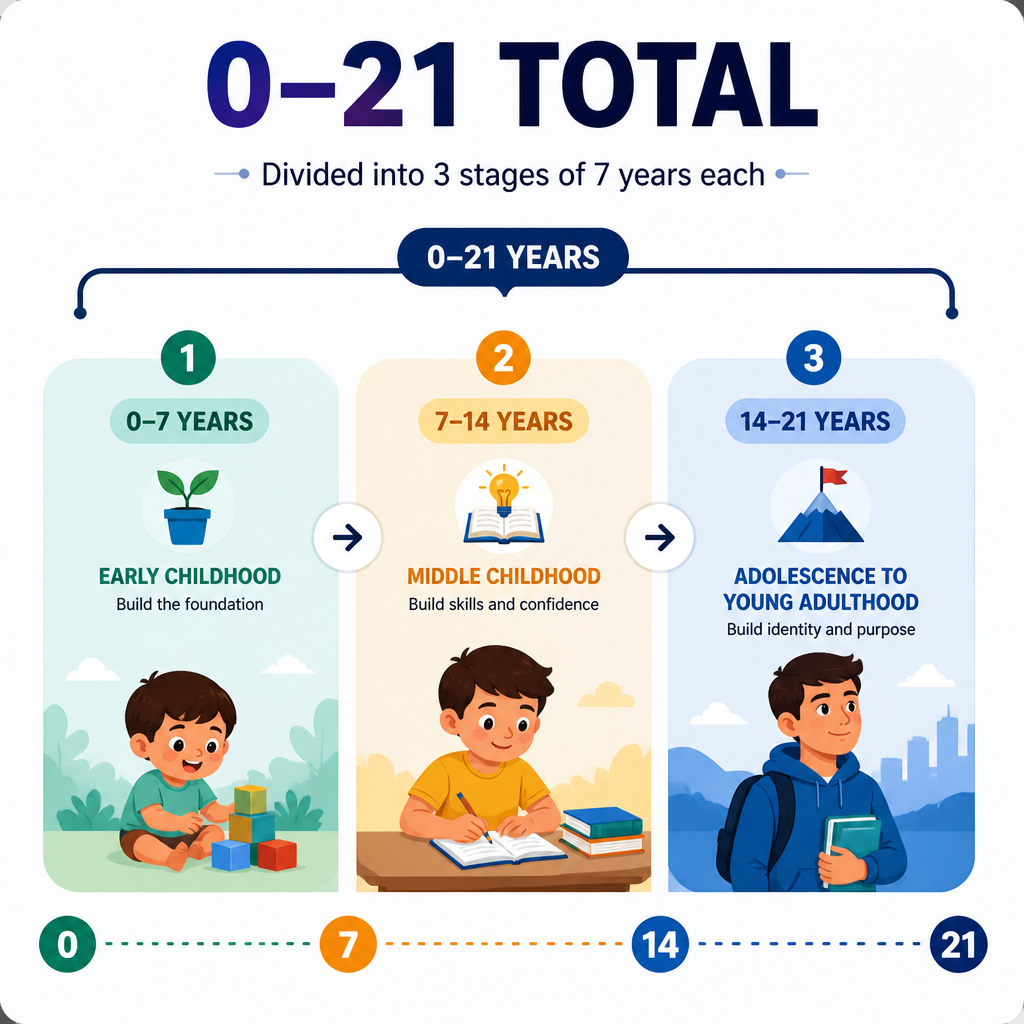
VIII. A Prophetic, Three-Stage Parenting Model (0–21)
Parenting is not one-size-fits-all. Use a stage-based approach so your child experiences the right balance of connection, instruction, and guidance.
Stage 1: First seven years (0–7) — Play and Connection
In these early years, your main job is to build a heart connection. Play, model behavior, and gently introduce basic concepts of worship and character.
Stage 2: Next seven years (7–14) — Teaching and Boundaries
Now children can understand structure. Teach them worship basics, manners, and responsibilities. Set clear boundaries with explanations rooted in mercy and wisdom.
Stage 3: Final seven years (14–21) — Advising and Befriending
Teen years require a different tone: more advising, more listening, more guidance through friendship. Maintain influence through respect and sincere counsel.
Reference takeaway: This three-stage approach is inspired by Islamic parenting guidance emphasizing play (0–7), teaching/boundaries (7–14), and advising/befriending (14–21) (WithASpin).
IX. Islam Education Kids: What to Teach at Each Stage
Islam education kids should be age-appropriate, consistent, and connected to real life.
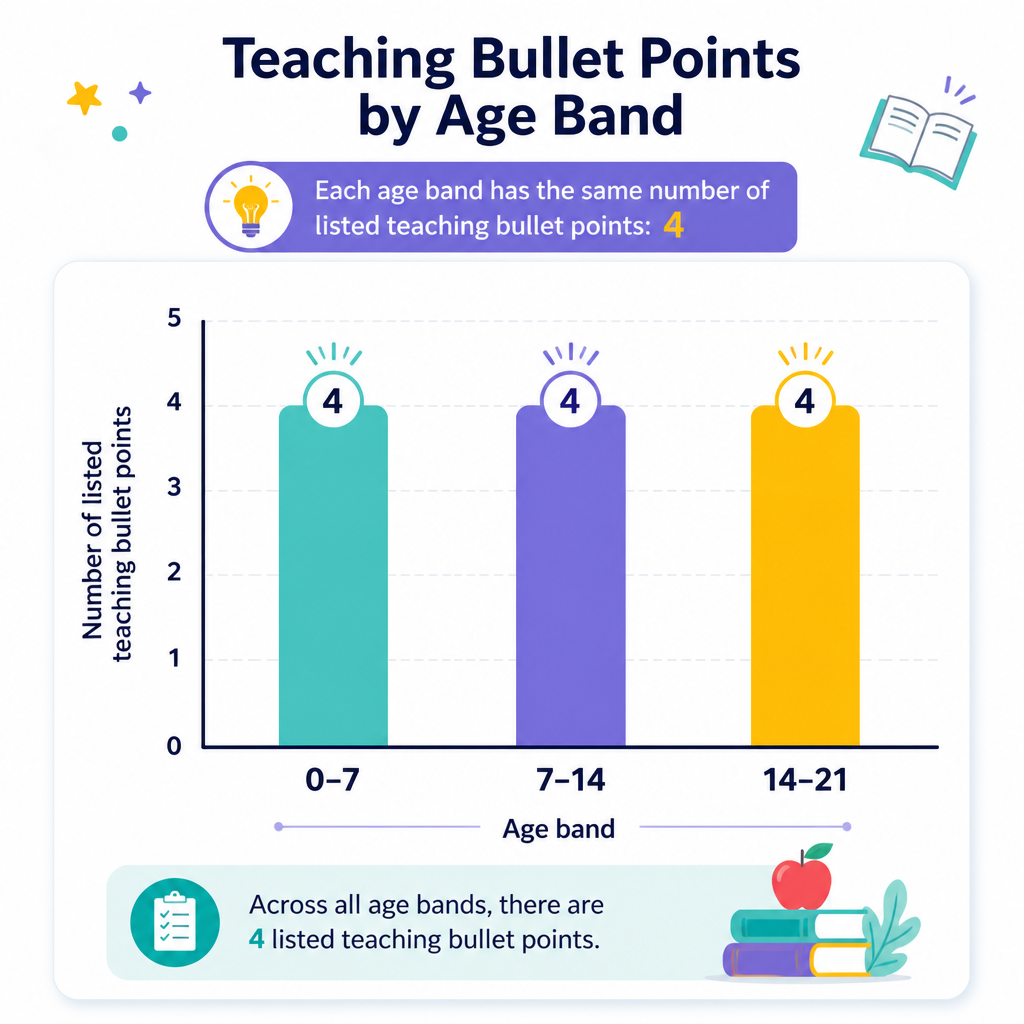
0–7: Hearts first
- Simple du’as and short Quran surahs
- Model salah with warmth (not fear)
- Character basics: honesty, sharing, saying salaam
- Stories of prophets and good people
7–14: Knowledge and habits
- Worship basics and step-by-step salah guidance
- Adab and daily Islamic etiquette
- Ethics: truthfulness, modesty, responsibility
- Sports and discipline framed as character building
14–21: Guidance, worldview, and trust
- Explain why rules exist (values behind commands)
- Discuss identity, peer pressure, relationships, and online dangers
- Build a healthy sense of purpose and service
- Encourage them to lead small acts of worship and community help
Tip: When you set boundaries, connect them to reasons. Children are more likely to respect limits when they understand the wisdom behind them.
X. Preparing for Challenges Abroad
Every country has its own pressure points, but expat Muslim kids often face similar challenges:
1) Exam stress and “school-first” pressure
Create a study-salah schedule. Show them that faith is not an afterthought.
2) Social life and identity stress
Prepare “conversation starters” for moments like lunch, parties, or questions about Ramadan. Rehearse calm, confident answers—without humiliation.
3) Conflicting messages about morality
Use teachable moments: a movie scene, a school discussion, a social media trend. Ask: “What is it teaching people to believe about right and wrong?”
4) When you need escalation plans
Have a clear path for support—who to talk to in the mosque community, how to involve parents, and when to seek professional guidance if mental stress rises.
XI. Nurturing a Global Perspective
Living abroad can either shrink your child’s worldview or expand it. Choose expansion.
1) Keep an “ummah mindset”
Teach gratitude for what they have locally and connection to Muslims globally. Help them feel part of a wider community beyond their neighborhood.
2) Teach civic responsibility
Being Muslim doesn’t require withdrawal. Encourage them to become responsible citizens: respectful dialogue, community service, and excellence with integrity.
3) Teach worldview breadth without confusion
Exposure to different perspectives is part of living abroad. The key is to anchor that exposure in Islam so they can engage thoughtfully—never blindly.
XII. Conclusion: One Strategy, Two Destinies
Raising Muslim children abroad isn’t about freezing your kids in the past—it’s about building faith that survives change. Your strategy can be simple and powerful:
- Center life on worship and character
- Strengthen home islam education kids routines
- Normalize the masjid and community belonging
- Balance integration with clear Islamic identity
- Use a stage-based prophetic model (0–21)
If you start with small routines today, Allah can make those routines carry your children toward one destiny: a life of closeness to Him and confidence in the world He placed them in.