Muslim Workplace Challenges: How to Handle Religion at Work, Discrimination, and Accommodation
Explore workplace challenges for Muslims, from stereotyping and hostile environments to hijab and prayer barriers. Learn what “religion at work” means under Title VII, why discrimination is rising, and the practical steps employers (and Muslim employees) can take to prevent Islamophobia and support accommodations.
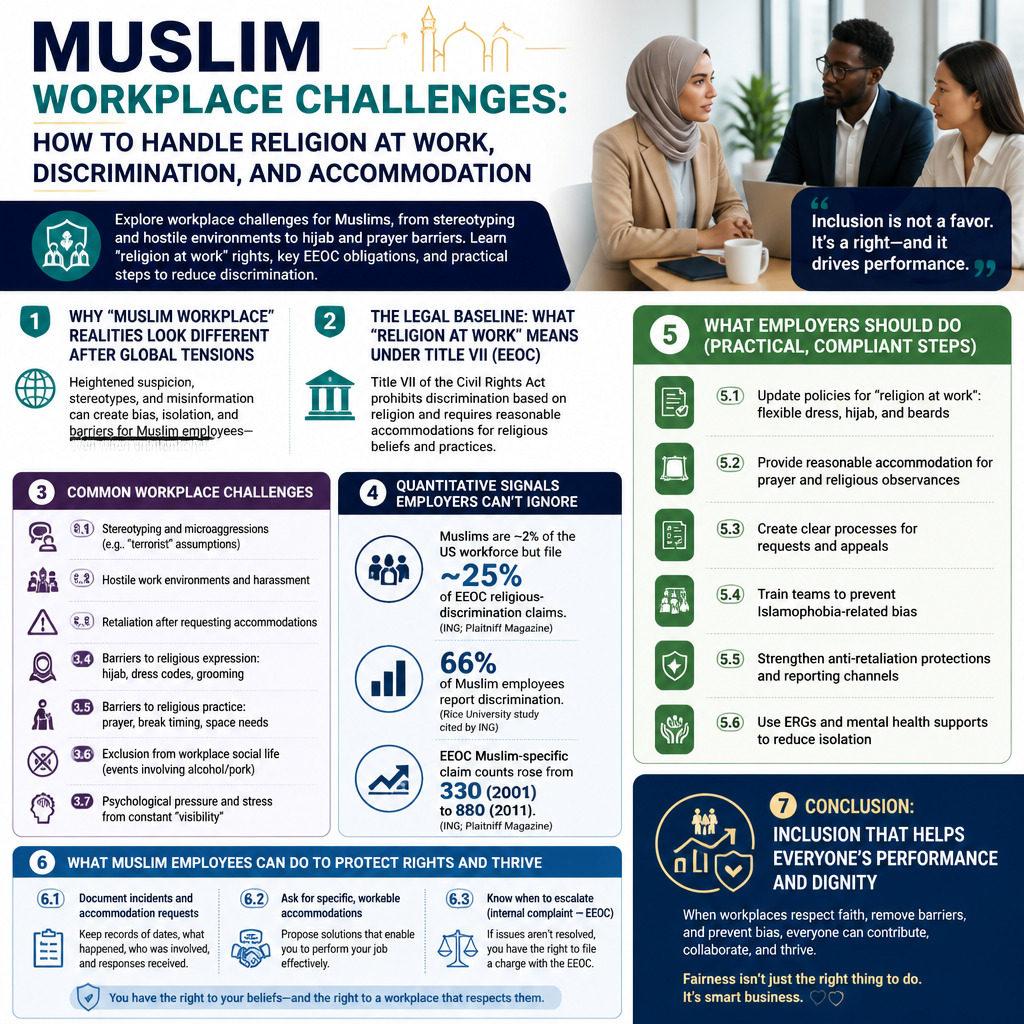
1. Why “muslim workplace” realities look different after global tensions
For many people, a “muslim workplace” is assumed to be just like any other workplace—same job duties, same team dynamics, same expectations. In practice, however, Muslim employees often experience an added layer of scrutiny tied to global events, stereotypes, and perceived religion.
Since the early 2000s, and especially after major international tensions, discrimination claims related to religion have increased. Many Muslim employees report feeling “seen” before they are understood—reducing their sense of belonging and sometimes creating real professional risks (from missed promotions to hostile interactions).
This is not only a moral issue. It’s also a legal and operational issue: when workplaces don’t handle religion at work thoughtfully, they create preventable conflict, higher turnover, and costly complaints.
2. The legal baseline: what “religion at work” means under Title VII (EEOC)
In the United States, the key law is Title VII of the Civil Rights Act. The EEOC explains that employers generally must provide reasonable accommodation for an employee’s religious beliefs and practices, unless doing so would cause undue hardship (based on cost and operational impact).
That protection covers:
- Actual religion (e.g., Islam)
- Perceived religion (e.g., assumed Muslim status)
- Religious needs related to dress, grooming, prayer, and religious observances
The EEOC also emphasizes that harassment based on religion (or perceived religion) is illegal, and that employees are protected from retaliation for requesting accommodations or reporting discrimination.
3. Common workplace challenges
3.1 Stereotyping and microaggressions (e.g., “terrorist” assumptions)
One of the most common workplace issues for a muslim workplace is stereotype-driven bias. Instead of being evaluated for competence, some Muslim employees are treated as suspicious by default.
Examples can include:
- Being described with labels tied to terrorism
- Being treated as if they must “prove” loyalty or patriotism
- “Well-meant” comments that still stigmatize (e.g., jokes about Islam)
These microaggressions may look small individually, but they can accumulate—affecting confidence, workplace participation, and stress levels.
3.2 Hostile work environments and harassment
Beyond everyday slights, some employees face harassment or hostile work environments. This may include repeated derogatory statements, unwanted religious questioning, threats, or humiliating treatment.
Courts and the EEOC have addressed discrimination patterns such as:
- Religious slurs
- Harassment connected to hijab or other religious markers
- Failure to accommodate basic religious needs, leading to conflict and punishment
When the workplace tolerates this behavior—or the employee is informally discouraged from reporting it—the “cost” is often paid in performance and mental health.
3.3 Retaliation after requesting accommodations
Even when the law supports accommodation, employees may experience retaliation after making a request. Retaliation can be subtle at first (reduced opportunities, exclusion from meetings) and become more explicit later (disciplinary action, termination).
EEOC guidance is clear: employees should be able to request an accommodation or report discrimination without fear of negative consequences.
3.4 Barriers to religious expression: hijab, dress codes, grooming
Dress codes and grooming standards often become conflict points. For some workplaces, policies were written with “neutral” assumptions that unintentionally exclude religious attire.
Common barriers include:
- Hijab restrictions or refusals to adjust dress requirements
- Grooming rules that conflict with religious beard practices
- Uniform and safety equipment issues that aren’t assessed case-by-case
Under Title VII, the employer must consider whether an accommodation is possible without undue hardship. “We’ve always done it this way” is not a legally sufficient defense.
3.5 Barriers to religious practice: prayer, break timing, space needs
Prayer and religious observance may require adjustments in scheduling and facilities. Employers sometimes deny requests because they assume accommodations will be disruptive.
But many accommodations are practical when planned early, such as:
- Allowing brief prayer breaks within normal workflow
- Providing a private, clean space for prayer (even if shared)
- Scheduling considerations during known religious periods
The legal question is not “Is accommodation inconvenient?” It’s whether the accommodation creates undue hardship in the specific workplace context.
3.6 Exclusion from workplace social life (events involving alcohol/pork)
Workplace belonging isn’t only about policies—it’s also about day-to-day culture. Some Muslim employees report feeling pressured to participate in social events where alcohol is present or where pork-based food is served, without reasonable alternatives.
Exclusion can look like:
- Being left out of informal gatherings
- Not being offered halal options
- Expectations to “ignore” religious dietary practices
Inclusion here is often low-cost: clear communication, halal options, and normalizing accommodations as part of team culture.
3.7 Psychological pressure and stress from constant “visibility”
Perhaps the most overlooked challenge in a muslim workplace is psychological: constant awareness of how others may interpret your identity.
Muslim employees can feel forced to manage stereotypes, explain their religion, or act as ambassadors for an entire community—while also completing their job.
That stress can reduce focus and create a sense of isolation, which affects both wellbeing and performance.
4. Quantitative signals employers can’t ignore
Data shows that this is not a hypothetical risk. Across multiple sources, Muslim employees are disproportionately represented in religious discrimination claims.

Muslims are about 2% of the U.S. labor force but file about ~25% of EEOC religious-discrimination claims (as reported in industry summaries and legal analyses).
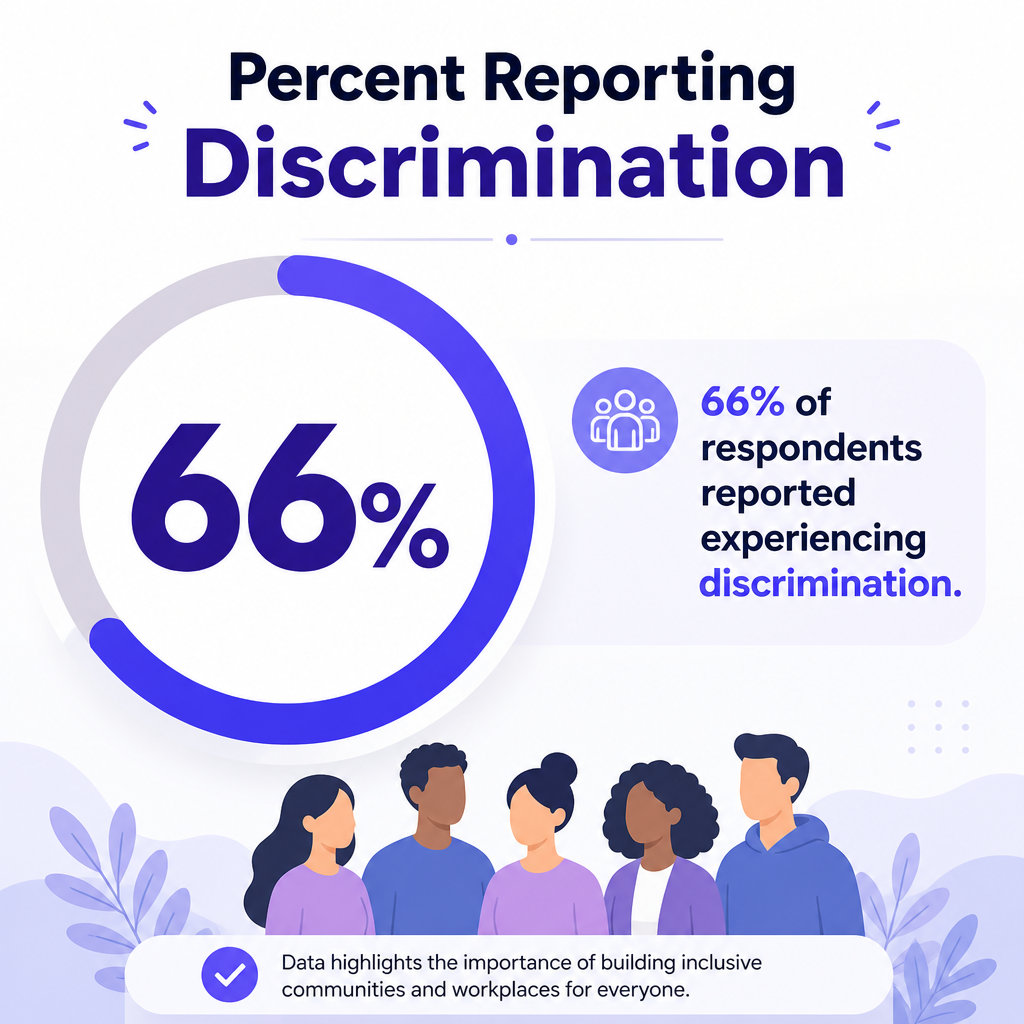
A cited study reports that 66% of Muslim employees report discrimination.
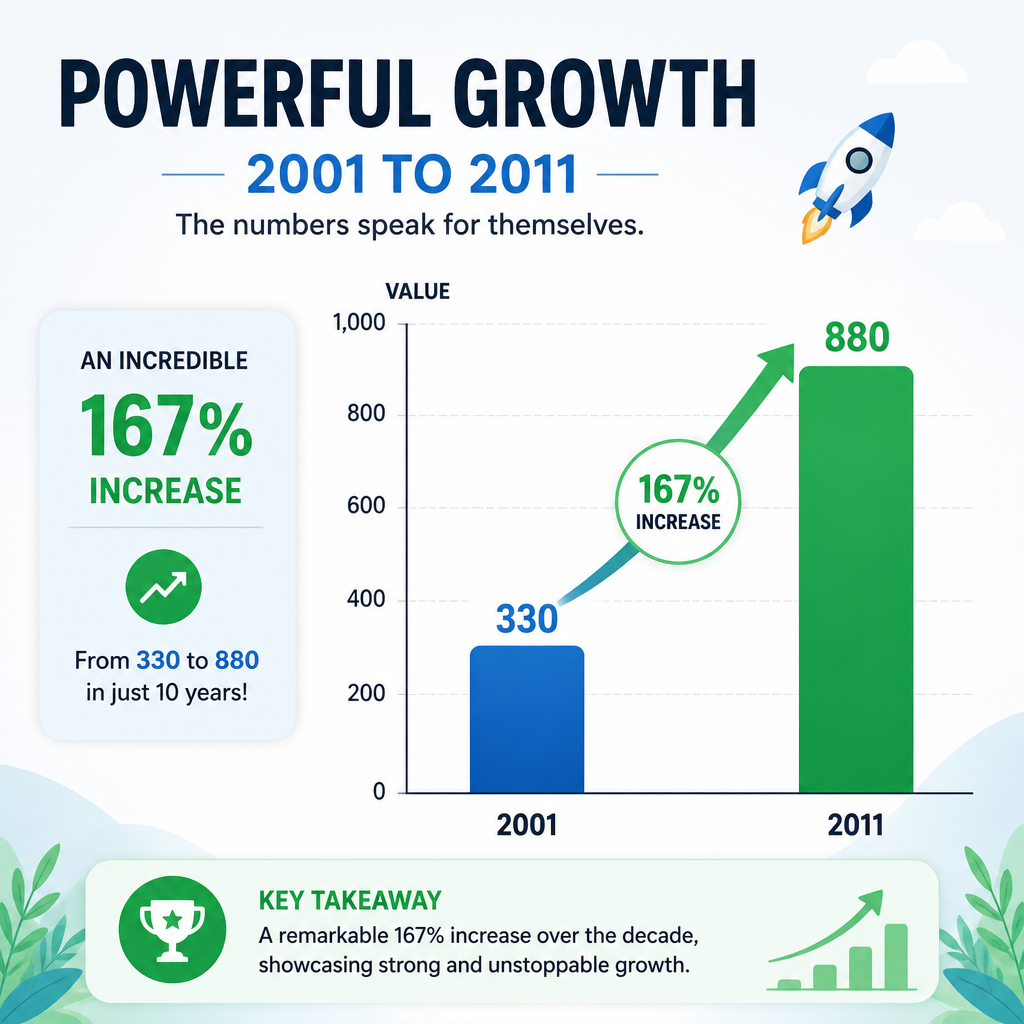
Muslim-specific claim counts rose from 330 (2001) to 880 (2011) (as summarized by multiple research references).
These signals suggest systemic issues: either accommodations aren’t implemented consistently, harassment prevention isn’t effective, or reporting pathways aren’t trusted.
5. What employers should do (practical, compliant steps)
The most effective strategies are proactive: policy clarity, training, and a real accommodation process.
5.1 Update policies for “religion at work”: flexible dress, hijab, and beards
- Review dress and grooming policies for unintended conflicts with religious practice.
- Use language that supports individualized assessment (rather than blanket exclusions).
- Clarify what is required for workplace safety and what is negotiable.
When policies are updated, employees experience fewer surprises and fewer confrontations.
5.2 Provide reasonable accommodation for prayer and religious observances
- Create clear options for prayer breaks and timing adjustments.
- Identify suitable prayer space(s) that meet privacy and cleanliness needs.
- Plan for predictable observance dates using a request timeline.
Accommodation isn’t “special treatment.” It’s an operational adjustment grounded in legal obligations.
5.3 Create clear processes for requests and appeals
Employees need to know:
- How to request accommodation
- Who reviews it
- How long decisions take
- What documentation is reasonable
- How to appeal if a request is denied
When processes are unclear, employees may delay requests, feel unsupported, or interpret silence as refusal.
5.4 Train teams to prevent Islamophobia-related bias
Training should be more than a checkbox. It should help managers and coworkers recognize:
- Common stereotypes and microaggressions
- How to respond to accommodation requests respectfully
- What harassment looks like (and why jokes can still be harmful)
- How to support teams during global tension without targeting individuals
5.5 Strengthen anti-retaliation protections and reporting channels
- Protect employees who request accommodation or report discrimination.
- Offer multiple reporting options (not only to the direct supervisor).
- Track outcomes to ensure complaints lead to action—not silence.
Trust in the system is essential. If employees believe reporting will harm them, they won’t report—making discrimination harder to detect.
5.6 Use ERGs and mental health supports to reduce isolation
Employee Resource Groups (ERGs), peer support, and culturally competent mental health resources can reduce isolation. While these supports don’t replace legal compliance, they improve retention and wellbeing.
A healthy approach includes:
- Leadership sponsorship for inclusion initiatives
- Safe spaces where employees can discuss challenges
- Workplace wellness resources that understand identity-based stress
6. What Muslim employees can do to protect rights and thrive
Many employees want to do the right thing but don’t know how to proceed. Here are practical steps that can help.
6.1 Document incidents and accommodation requests
- Write down dates, times, who was present, and what was said or done.
- Save messages or emails related to accommodation requests.
- Track workplace outcomes that may be linked to reporting (e.g., schedules, discipline, performance reviews).
6.2 Ask for specific, workable accommodations
Vague requests can be easier to deny. A stronger request includes:
- What you need (e.g., prayer breaks, hijab accommodations, dietary needs)
- How often and for how long
- Why it matters for religious practice
- Proposed solutions (e.g., alternative times, shared space)
6.3 Know when to escalate (internal complaint → EEOC)
If internal efforts fail or retaliation occurs, it may be time to escalate. The EEOC provides guidance and processes for filing charges related to discrimination, harassment, and retaliation.
While every case is different, understanding your rights early can help you make safer decisions.
7. Conclusion: inclusion that helps everyone’s performance and dignity
A respectful muslim workplace is not only about avoiding legal trouble. It’s about building a culture where people can do their best work without hiding identity or enduring stigma.
When employers treat religion at work as a normal part of workplace life—by providing accommodations, preventing harassment, and responding to requests with professionalism—everyone benefits: teams become more cohesive, performance improves, and employees feel secure bringing their full selves to work.