Introduction: What “Taking a Step Toward Belief Without Pressure” Really Means
If you’ve ever thought, “I want to believe in God, but I don’t know where to start”—you’re not alone. Many people carry questions, doubts, past hurts, and a quiet fear of “getting it wrong.” And when belief feels urgent, it can become heavy.
But belief doesn’t have to be forced. A pressure-free faith begins with a single step: moving toward God in honesty, humility, and small daily choices.
This article answers the heart of your question—how to start believing in God—with a practical, grace-centered approach. The goal isn’t to manufacture feelings. The goal is to begin a spiritual journey where you can meet God as you are.
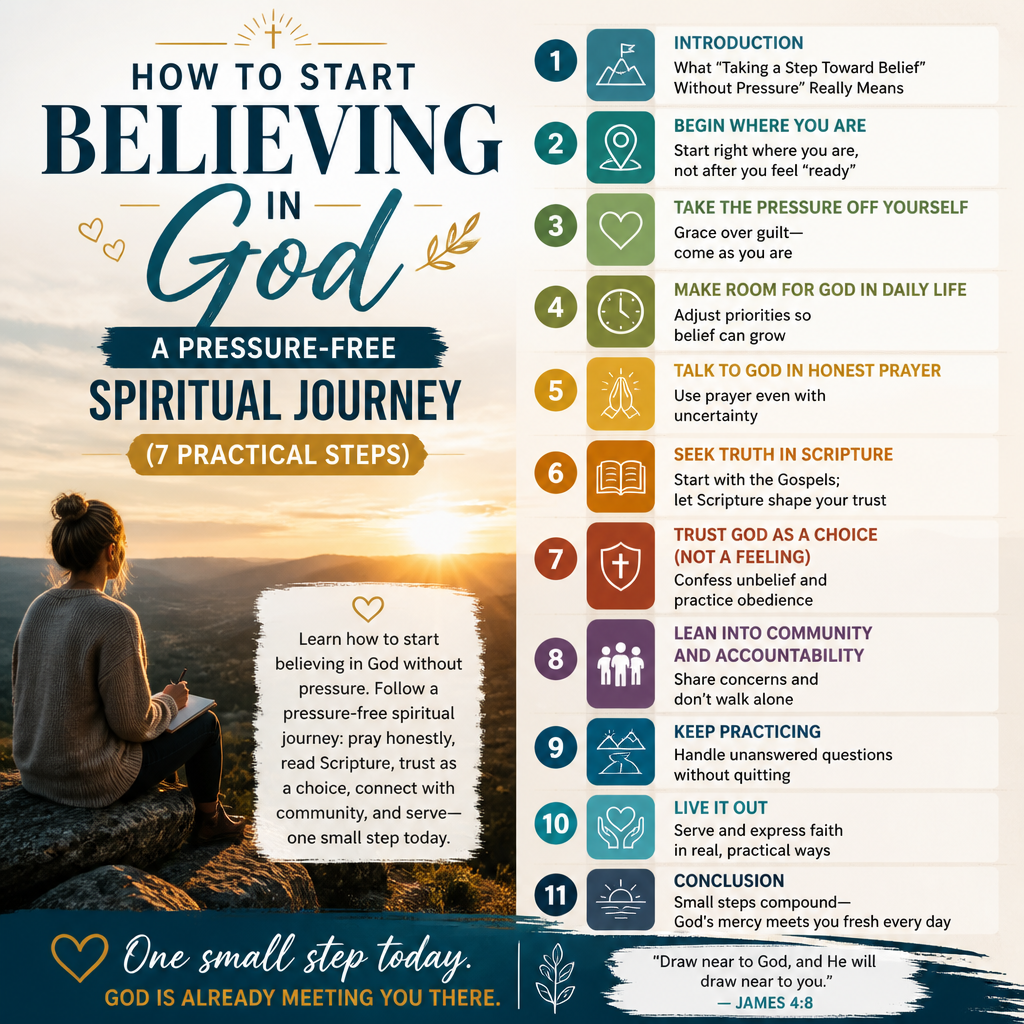
1) Begin Where You Are: Start right where you are, not after you feel “ready”
One of the biggest barriers to belief is waiting for the “perfect moment” to arrive. Maybe you’re skeptical. Maybe you feel guilty. Maybe your faith fluctuates. Yet the healthiest starting point is simple:
- Start with what’s true today.
- Use your current questions as honest material for prayer.
- Don’t demand that doubt disappear before you take the next step.
Think of faith like walking toward a light source—not staring at a wall until you magically see it. Take a step, and the next step becomes clearer.
2) Take the Pressure Off Yourself: Grace over guilt—come as you are
Pressure often sounds like: “If I were a better person, I’d believe.” But real spiritual growth usually begins the opposite direction—through grace.
God’s forgiveness isn’t a reward for having it all together. It’s an invitation to return. If you’ve failed, drifted, or messed up, you don’t need to earn your way back. You can come to God with your real state.
A helpful mindset shift is this: don’t confuse “coming to God” with “being finished.” You’re not required to clean yourself up first. You’re invited to be honest first.
3) Make Room for God in Daily Life: Adjust priorities so belief can grow
Belief grows in the soil of daily habits. If your week is built only around distractions, it will be harder for faith to take root—not because God is far, but because you’re not making space to hear, read, or reflect.
Start small. Consider these gentle priority adjustments:
- Choose one daily moment for prayer (even 3–5 minutes).
- Read Scripture briefly, but consistently.
- Reduce one “noise” habit that keeps you from reflection.
Belief often begins as a routine. Not a performance—just a rhythm. Over time, that rhythm trains your heart to recognize God’s presence.
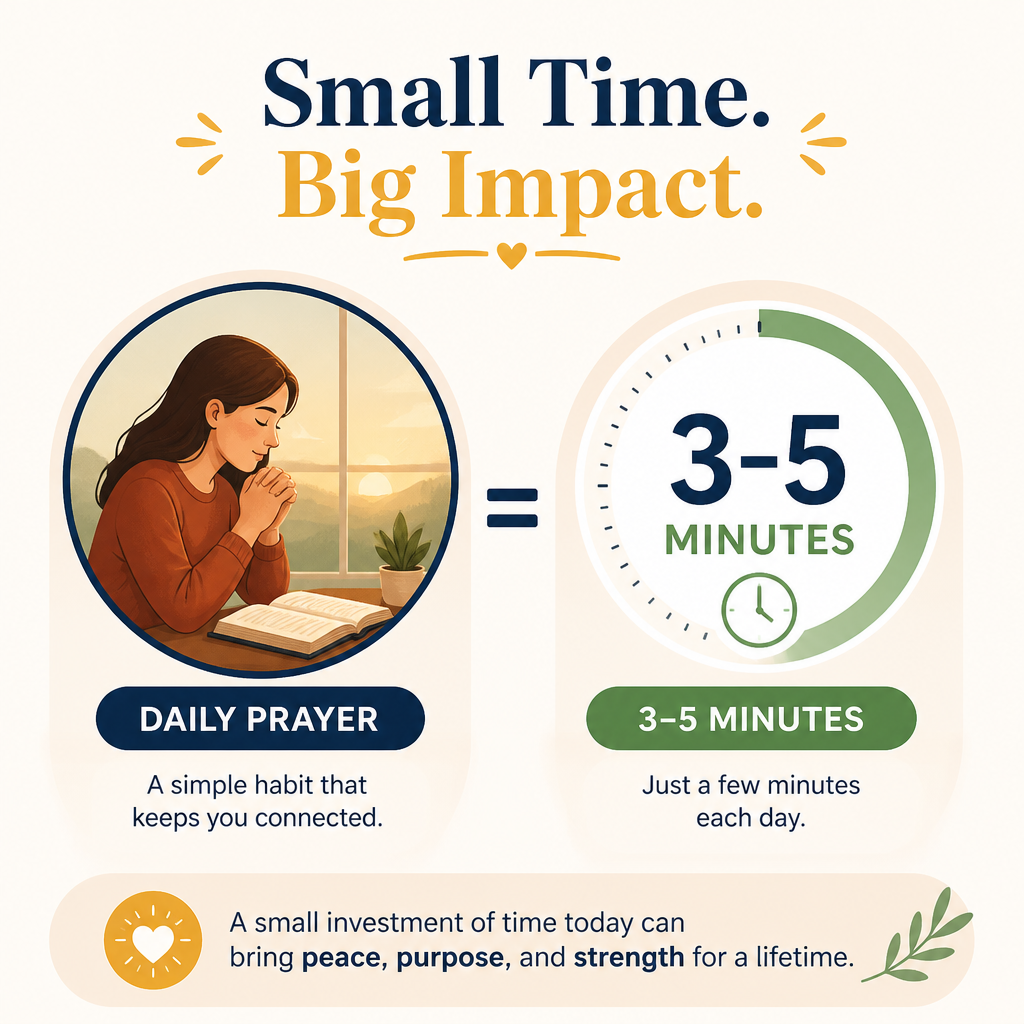
4) Talk to God in Honest Prayer: Use prayer even with uncertainty
If prayer feels intimidating, you don’t have to “sound religious.” Prayer is conversation—sometimes simple, sometimes messy, always real.
Try praying with these kinds of honesty:
- “God, I want to believe, but I’m struggling.”
- “If you’re real, help me understand.”
- “I don’t have the right words—please meet me anyway.”
You’re not disqualified because you have questions. In fact, honest prayer is one of the healthiest ways to bring your uncertainty into the light.
5) Seek Truth in Scripture: Start with the Gospels; let Scripture shape your trust
When you ask how to start believing in God, many people discover that belief grows when they encounter truth—not just opinions.
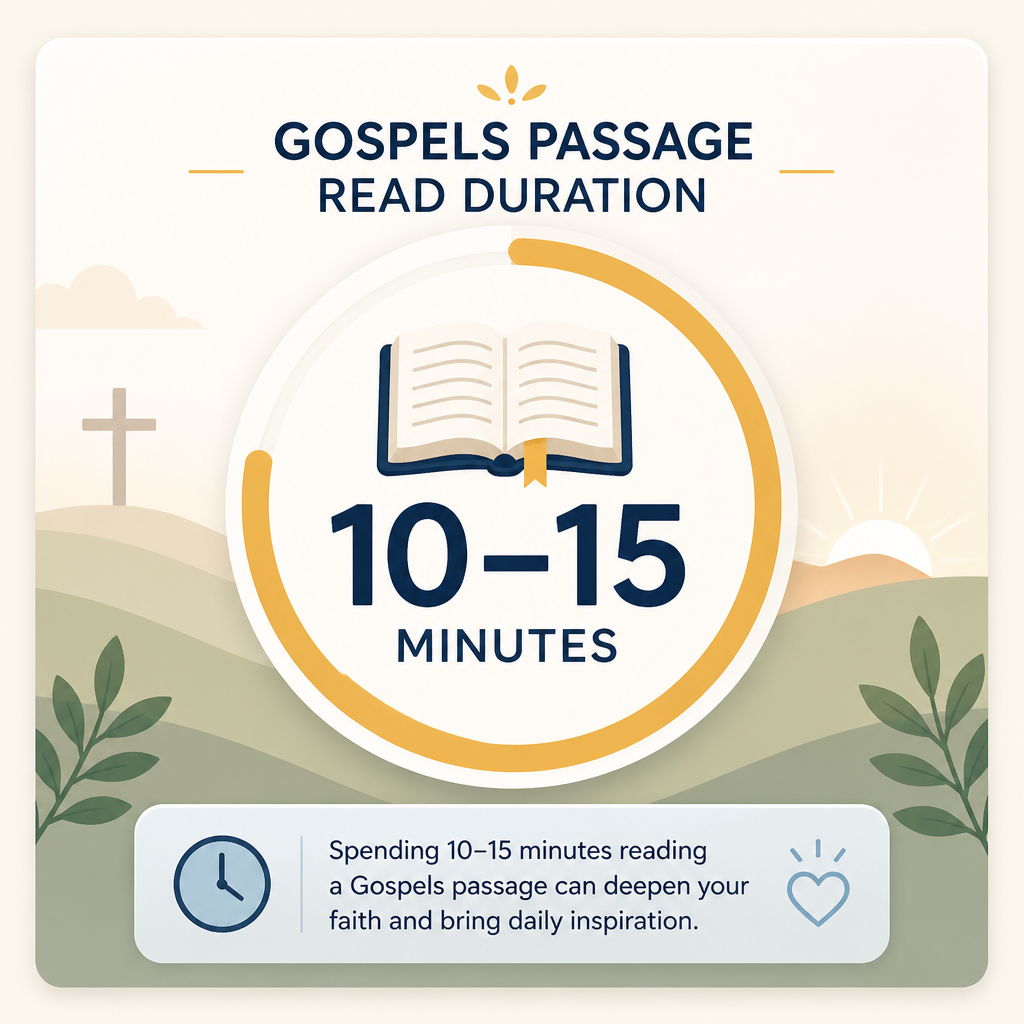
A great place to begin is the Gospels (Matthew, Mark, Luke, and John). The Gospels introduce you to Jesus’ life, words, compassion, and the kind of trust God invites.
Here’s a simple approach:
- Read a short passage (10–15 minutes).
- Ask, “What does this reveal about God?”
- Ask, “What does this invite me to do today?”
- Pray one paragraph based on what you read.
Scripture doesn’t only inform your mind—it strengthens your faith over time.
6) Trust God as a Choice (Not a Feeling): Confess unbelief and practice obedience
Many people assume faith is something you must feel. But trust is often a choice—an act of obedience—even when emotions lag behind.
Here’s a pressure-free way to think about it:
- You may not feel certain yet.
- But you can still choose to trust God’s character.
- You can act on what you know to be true.
It’s also okay to name what you’re experiencing. If you feel far from belief, you can say something like:
“God, I’m not sure. I don’t want to hide it. Help my unbelief.”
Then pair that honesty with a practical step—something like reading Scripture, praying, or doing the next faithful action available to you.
Trust often begins as practice. Feelings may catch up later.
7) Lean Into Community and Accountability: Share concerns and don’t walk alone
Belief grows faster and steadier when you’re not alone. A spiritual journey is personal, but it’s not meant to be private in the sense of isolation.
Consider taking these steps:
- Connect with a Bible-believing church or a group that supports seekers.
- Find one person you trust and share your questions honestly.
- Ask for prayer—specific prayer, not vague platitudes.
Community provides encouragement when you’re discouraged and clarity when you’re confused. It also helps you avoid the spiral of keeping everything inside your own head.
8) Keep Practicing: Handle unanswered questions without quitting
At some point, your journey may include unanswered questions. That doesn’t mean you should quit. Often, uncertainty is part of learning to walk by faith.
Instead of demanding immediate answers, practice perseverance:
- Keep reading Scripture regularly.
- Keep praying honestly.
- Look for God’s faithfulness in everyday life.
Unanswered questions don’t always block growth—they can sometimes deepen your longing and refine your trust.
9) Live It Out: Serve and express faith in real, practical ways
One of the most effective ways to strengthen belief is to let faith show up in action. Serving others is not about earning God’s love—it’s about living the kind of faith you’re learning.
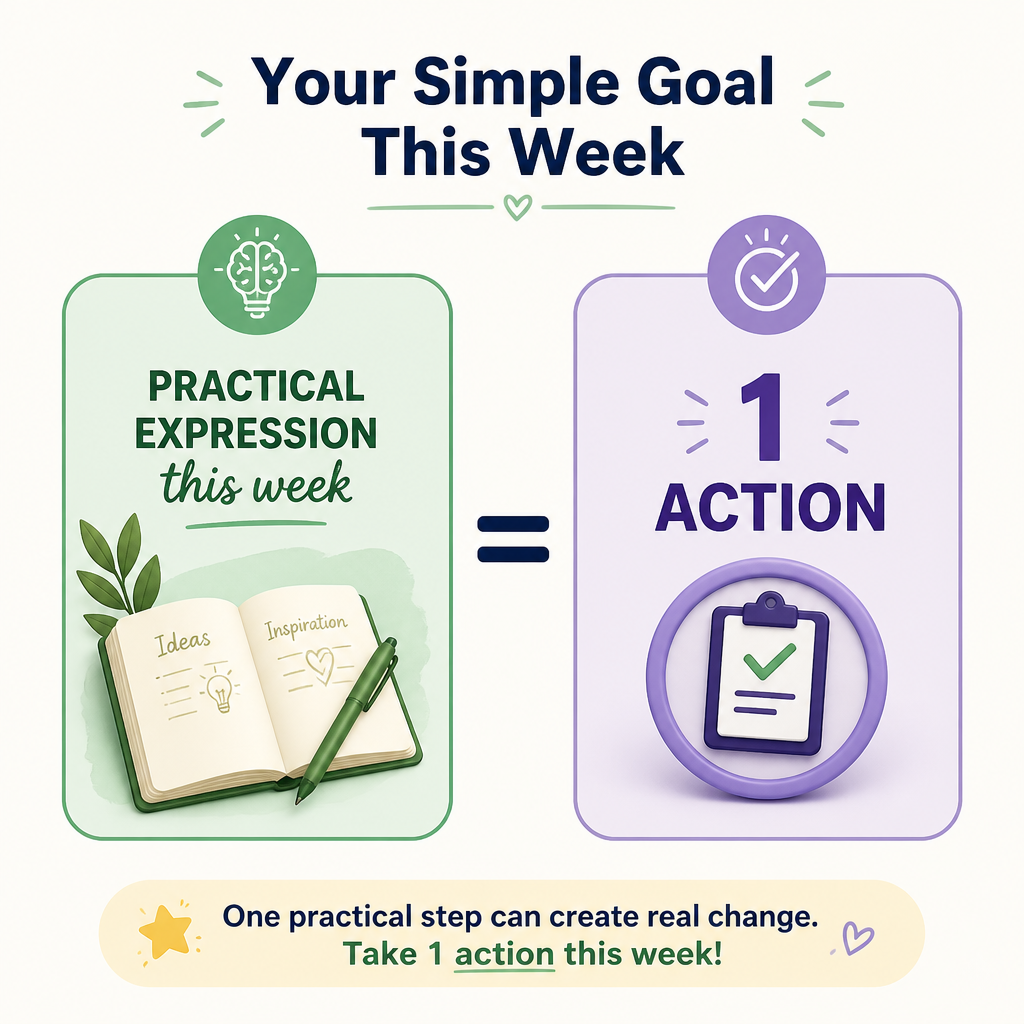
Choose one practical expression of faith this week:
- Help someone who’s struggling.
- Volunteer in a community need.
- Be kind when it costs you something.
As you live the principles you’re learning, belief becomes less theoretical and more experiential.
Conclusion: Small steps compound—God’s mercy meets you fresh every day
So, how do you start believing in God? Not by forcing yourself. Not by trying to feel “religious enough.”
Instead, take a pressure-free spiritual journey step by step:
- Begin right where you are.
- Come with grace, not guilt.
- Make room for God in daily life.
- Pray honestly—even with uncertainty.
- Read Scripture, especially the Gospels.
- Trust as a choice, then practice obedience.
- Connect with community and don’t walk alone.
If you’re waiting for the “right feeling,” pause for a moment. God often meets people through the next faithful step, not through perfect certainty. Today, choose one small step—and let God’s mercy meet you fresh.