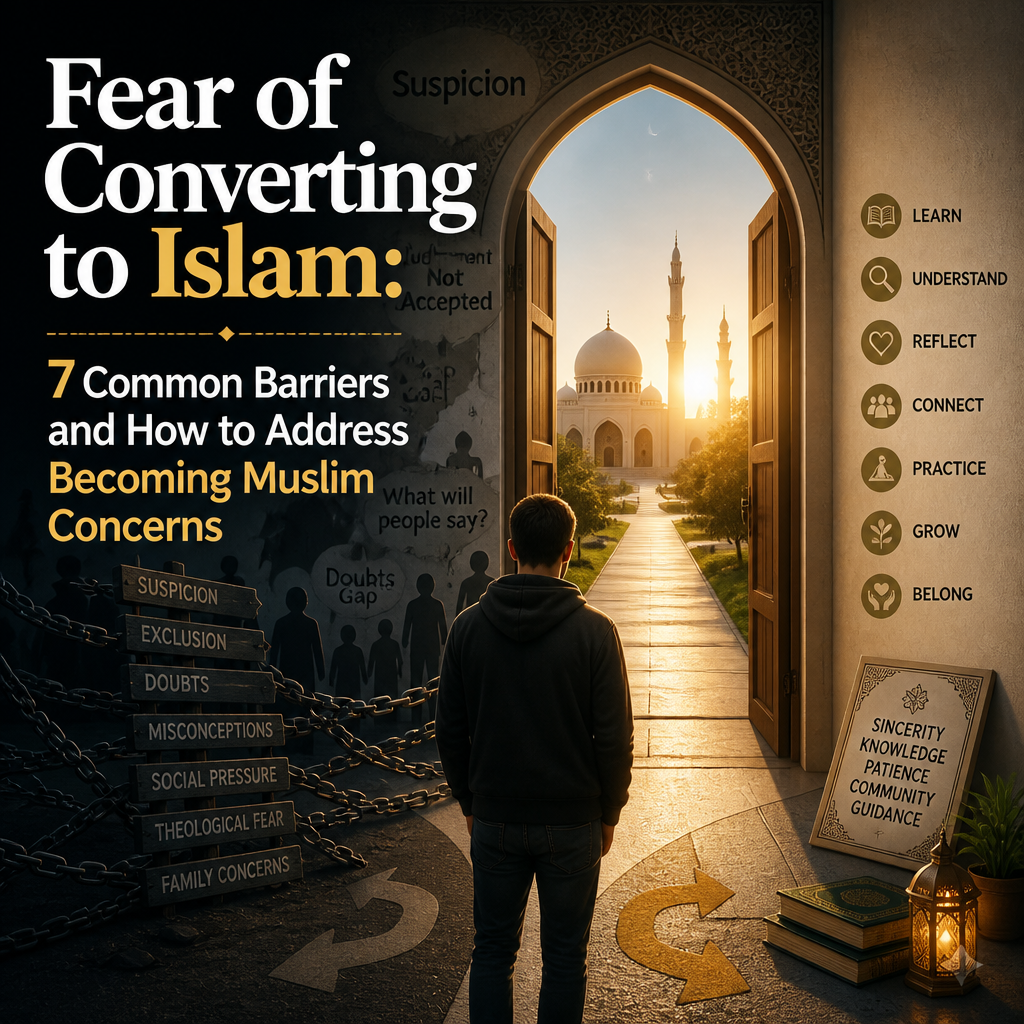
Introduction: Why “fear of converting to islam” is more common than people admit
It’s easy to assume that someone who is curious about Islam is simply searching for answers. But for many people, the bigger issue is not lack of information—it’s fear. Fear of how others will react. Fear of being misunderstood. Fear of getting something “wrong” and being judged forever. Fear that conversion will fracture family relationships or expose them to online harassment.
In other words, the phrase fear of converting to islam often describes a mix of emotional, social, and theological concerns—not cowardice, not ignorance, and not a lack of sincerity. In a healthy environment, questions like these should lead to deeper clarity. In a harsh environment, the same questions can become barriers.
What the fear really is: social suspicion, doctrinal uncertainty, and identity pressure
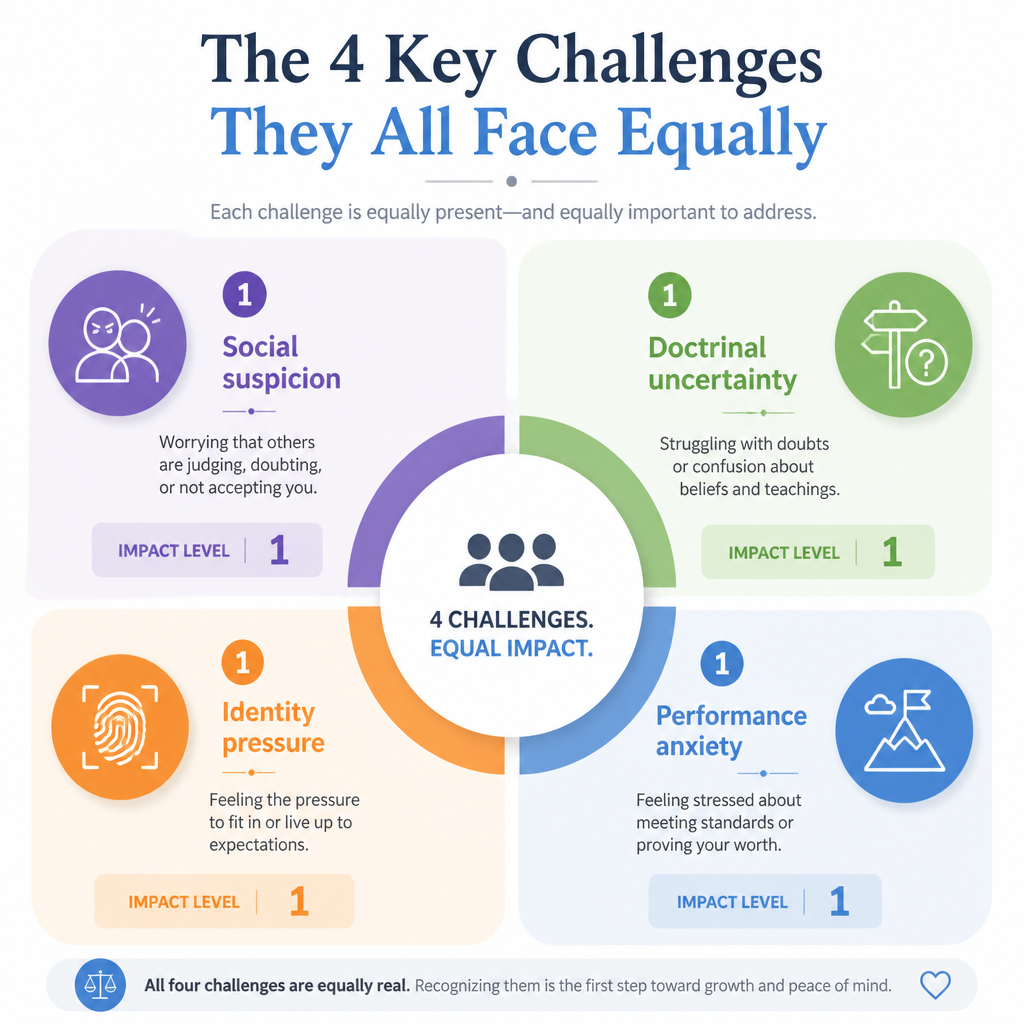
When people say they’re afraid to convert, the underlying fear is usually one (or more) of the following:
- Social suspicion: “Will Muslims trust me?” “Will they think I’m insincere?”
- Doctrinal uncertainty: “How do I know Islam is true?” “What about Jesus, prophecy, or the Qur’an’s reliability?”
- Identity pressure: “Will I lose my family?” “Will my life change in ways I’m not ready for?”
- Performance anxiety: “What if I can’t learn prayer or customs quickly enough?”
Conversion is not just switching beliefs. It’s entering a new way of life. That kind of change can feel vulnerable—especially when communities are not welcoming.
Convertophobia inside the community: assumptions of spying, insincerity, or “marriage motives”
One of the most painful barriers is convertophobia—the fear, suspicion, or hostility some non-convert Muslims (including some “insiders”) show toward converts.
In practice, convertophobia can look like:
- Assuming converts are “only here for marriage.”
- Accusing converts of spying or hidden agendas.
- Mocking questions or treating converts like they “should already know.”
- Excluding converts from community spaces or decision-making.
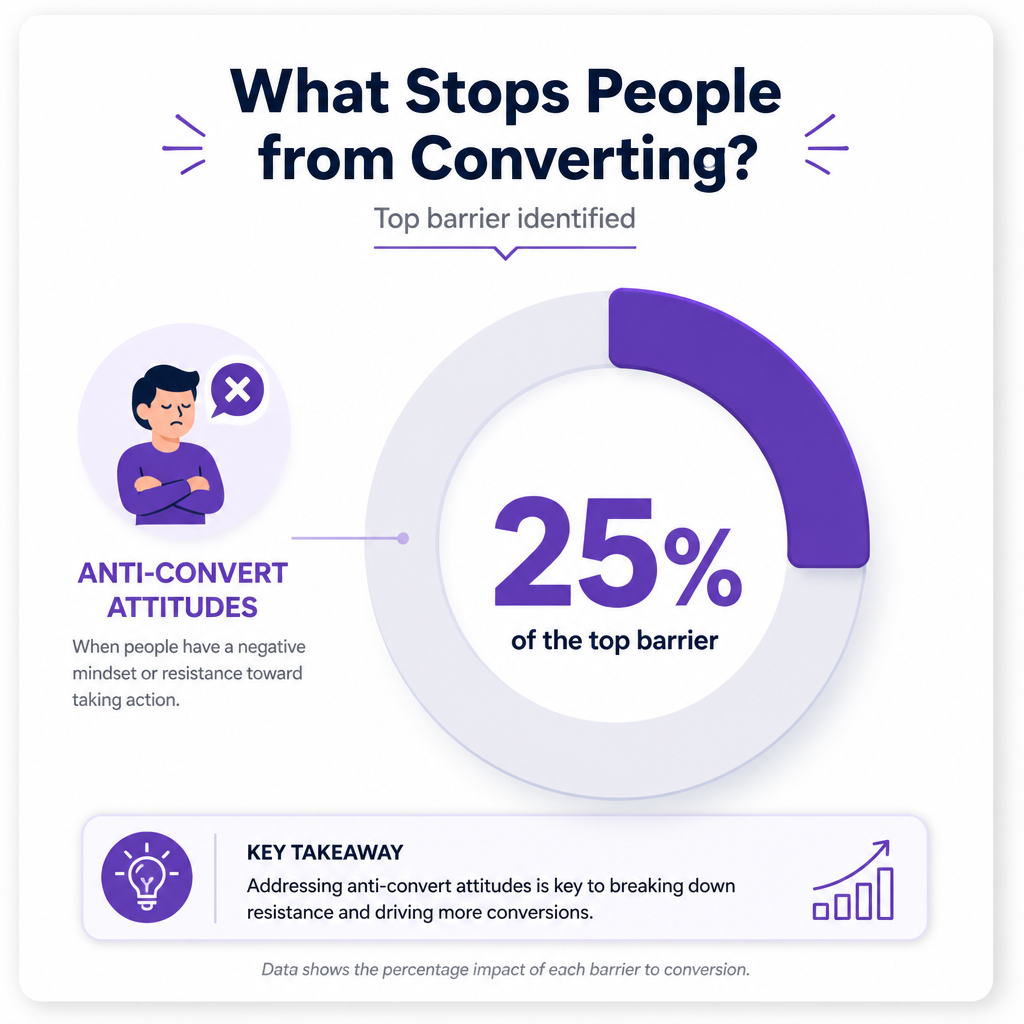
An article exploring this “convertophobia” problem reports a conservatively estimated pattern: around one quarter of converts ultimately leave Islam largely due to anti-convert attitudes. The point isn’t that converts are weak—it’s that rejection at a critical moment can push people away.
Reference: “Islam’s ‘convertophobia’ problem, part 1” (Medium) — Shaykh Daniel al-Jaʿfarī.
How to address this fear (as a seeker)
- Find trust first: Seek out at least one supportive mentor, teacher, or study circle.
- Separate people from Islam: Your spiritual path is not measured by the flaws of human beings.
- Choose your questions carefully: Ask theological questions where you’re respected, not mocked.
Anxiety about acceptance: the “us vs. them” problem
Even when people are well-intentioned, us vs. them dynamics can make conversion feel dangerous. Some communities form ethnic or cultural cliques, and newcomers—especially non-ethnic Muslims—may experience:
- Unspoken rules about who belongs.
- Small mistakes that are remembered disproportionately.
- A sense of needing to “prove” loyalty before being fully accepted.
When belonging feels unstable, fear grows. People begin to think, “If I convert, I’ll always be an outsider.” That fear is understandable—because isolation changes your confidence.
What seekers can do
- Look for diverse spaces: programs, classes, volunteer groups, and youth/adult study circles.
- Ask about community norms: etiquette, prayer participation, gender-specific arrangements (if any), and how to get help.
- Don’t rush integration: it’s okay to start with consistent learning before expecting deep social inclusion.
Doctrinal and theological questions that trigger fear
Doctrinal uncertainty is often the most visible part of conversion fear. “Becoming muslim concerns” can include anxiety about:
- How Islam views Jesus (and what that means for Christian backgrounds).
- Prophecies and scriptural continuity.
- Reliability and interpretation of sources.
- Understanding key theological terms without misunderstanding them.
Sometimes, fear is intensified by reading sources that argue against Islam in strong or accusatory ways. For example, one article listing “twenty-five reasons not to convert to Islam” highlights concerns such as Qur’an vs. Bible discrepancies, Jesus-related claims, and historical or ethical objections.
Reference: “Twenty-Five Reasons Not to Convert to Islam” (Dr. Jim’s Essential Bible Teaching).
How to address fear-driven doctrinal questions respectfully
Instead of asking, “Is Islam consistent?” try asking, “How do Muslims understand this claim?” and “What is the evidence and interpretation?”
- Study with a method: don’t rely on polemical summaries only.
- Ask for explanations, not insults: if a conversation turns hostile, step away.
- Verify in primary sources: Qur’an, authentic hadith collections (with teacher guidance), and credible classical scholarship when appropriate.
- Use a comparison approach: understand Islam’s perspective on disputed points rather than only reacting to them.
Conversion decisions improve dramatically when fear is replaced with a structured learning plan.
Social-cost fears: family tension, community belonging, and online harassment
For many people, the most intense fear is relational: “What will my family think?” “Will I lose my friendships?” “Will my spouse or parents blame me?”
Online, the fear can multiply because conversion is highly emotional for everyone involved. Seekers may encounter:
- Harassment or dogpiling by opponents.
- Misquotes of statements.
- Assumptions of betrayal or “secret motives.”
Practical way to reduce the impact
- Plan your conversations: decide what you will share now vs. later.
- Use boundaries: it’s okay to say, “I’m not debating right now—I’m learning.”
- Limit doom-scrolling: reading conflict online can turn normal doubts into panic.
Practical barriers: language, worship routines, and learning curve
Even when doctrine is clear, daily life can feel intimidating. People worry they’ll struggle with:
- Learning prayer (wudu, standing/sitting positions, recitations).
- Basic Islamic etiquette (greetings, modesty guidelines, visiting practices).
- Language barriers when joining classes or reading Qur’an in Arabic.
- Consistency when busy or stressed.
But Islam’s early learning phase is not a test of perfection. It’s a process. Most communities expect that new learners will take time.
What to expect in the beginning
- Start small and consistent: aim for steady progress, not overnight mastery.
- Ask for a “new Muslim basics” path: a checklist or beginner course.
- Pair learning with practice: practice prayer under supervision when possible.
Turning fear into a plan: questions to ask, boundaries to set, and support steps
The fastest way to reduce fear is to convert it into action. A good plan helps you distinguish “I don’t know yet” from “this is a real blocker.”
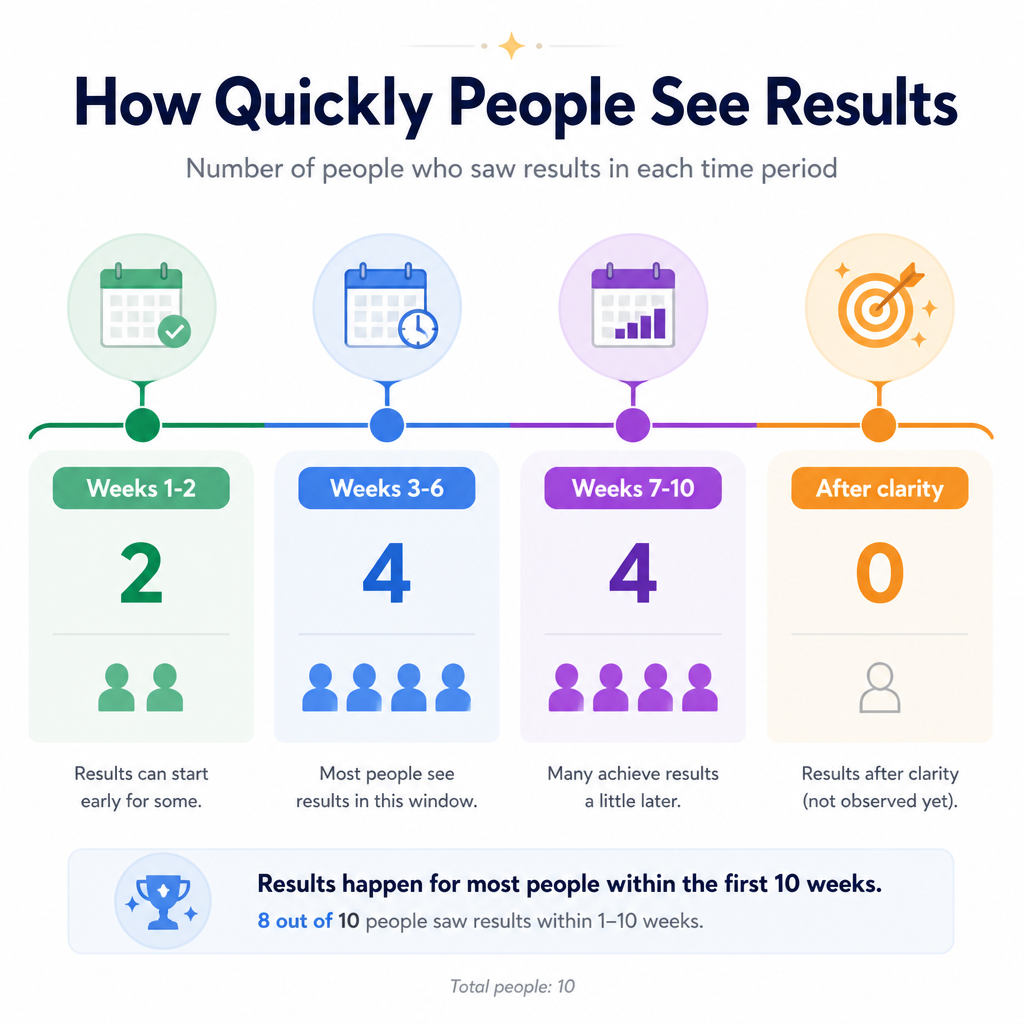
1) Build a simple timeline
- Weeks 1–2: learn creed basics and your learning method.
- Weeks 3–6: practice wudu and prayer routines; join a class or study circle.
- Weeks 7–10: deepen your understanding of key concepts and ask targeted questions.
- After clarity: consider shahadah readiness with guidance.
2) Ask questions that reduce uncertainty
For example:
- “What are the most important beliefs I must understand first?”
- “How should I interpret disputed topics respectfully?”
- “What do new Muslims do if they make mistakes with etiquette or prayer?”
3) Set boundaries early
- Choose who you talk to about conversion (and who you avoid).
- If someone responds with ridicule, pause the discussion.
- Prefer patient mentorship over intense debates.
4) Secure emotional support
Fear is emotional as much as it is intellectual. Having support—someone who listens without mocking—can prevent discouragement from turning into retreat.
Conclusion: Islam as a path of sincerity—how communities and seekers can lower fear and increase trust
Fear of converting to islam is real, but it’s not the end of the story. Often, it’s fueled by convertophobia, social exclusion, unresolved questions, family pressure, and the practical learning curve of worship.
If you are a seeker, don’t let fear isolate you. Build trust with mentors, study systematically, and seek community spaces where questions are welcomed. If you are already Muslim, remember that how we treat converts and learners affects whether they stay—or leave.
Islam’s path is meant to be walked with sincerity, guidance, and compassion. Turning fear into a plan is one of the most courageous steps you can take.